As a longtime resident who has lived in Valencia for 15 years, I want to share with you what authentic Valencian paella truly represents. Recently, I’ve noticed many tourists asking on forums where to find the most authentic paella, and honestly, as a local, our understanding of paella might differ from what you might expect.
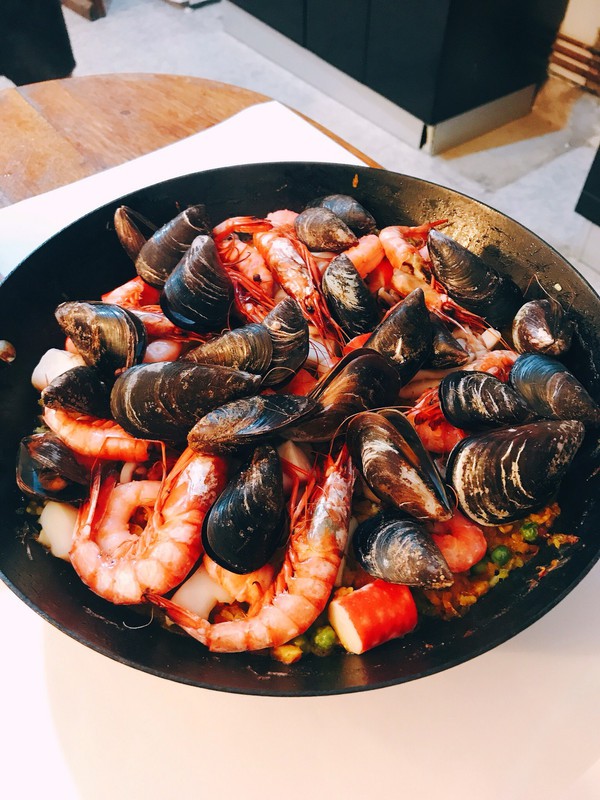
What is Authentic Valencian Paella
First, let me clarify something: authentic Valencian paella is actually not seafood paella. What we locals consider most traditional is Paella Valenciana, which primarily contains chicken, rabbit, green beans, white beans, and saffron. However, as times have evolved, seafood paella has also become a staple on our tables, especially at restaurants near the coast where it’s prepared exceptionally well.
In Valencia, we typically make paella for Sunday family gatherings - it’s a cherished family tradition. Every family has their own secret recipe, but certain elements are absolutely non-negotiable: high-quality Bomba rice, authentic saffron, and most importantly, cooking in a proper paella pan over an open flame.
Local Recommendations: Authentic Restaurant Comparison
| Restaurant Name | Specialty | Price Range | Recommendation | |
|---|
| Casa Roberto | Traditional family recipe | €15-25 | ⭐⭐⭐⭐⭐ |
| La Pepica | Seaside institution | €20-30 | ⭐⭐⭐⭐ |
| Restaurante Navarro | Innovative flavors | €18-28 | ⭐⭐⭐⭐ |
I personally recommend Casa Roberto most highly - this restaurant has been passed down through three generations, and owner Dolores’s cooking is the closest I’ve found to my grandmother’s recipe. Although the décor is somewhat dated, the taste is absolutely authentic. Their seafood paella uses incredibly generous portions of ingredients - prawns, clams, mussels - nothing is spared, and the rice is cooked perfectly with that delicious crispy bottom layer.
How to Identify Authentic Seafood Paella
Genuine seafood paella has several telltale signs: The rice should be golden yellow from natural saffron, not artificial coloring. Each grain should be distinct, never mushy like porridge. The seafood must be fresh, especially the mussels - any fishy smell indicates poor quality.
Most importantly, authentic paella never contains chorizo sausage! I must emphasize this point - many tourist-oriented restaurants add this, but to us locals, it’s practically heretical. True Valencian seafood paella uses simple seasonings: olive oil, garlic, tomatoes, and saffron - that’s it.
When you visit Valencia, I suggest avoiding those city center restaurants that cater specifically to tourists. Instead, venture into neighborhoods where locals gather. The best Valencia paella is often found in unassuming little establishments. Remember, good seafood paella takes time - if authentic paella arrives at your table in 15 minutes, it definitely wasn’t made fresh to order.
