Madrid Lunch Paella Recommendations: 5 Local Favorite Restaurants
As a foreigner who has lived in Madrid for three years, I have a special connection with this city’s paella. When I first arrived, I constantly ended up at disappointing places - either too salty or with undercooked rice - until I discovered these restaurants and truly understood what authentic Paella means. Today I want to share my lunch paella insights with you, hoping to help fellow food seekers on their culinary journey.
Casa Roberto - Traditional Family Style
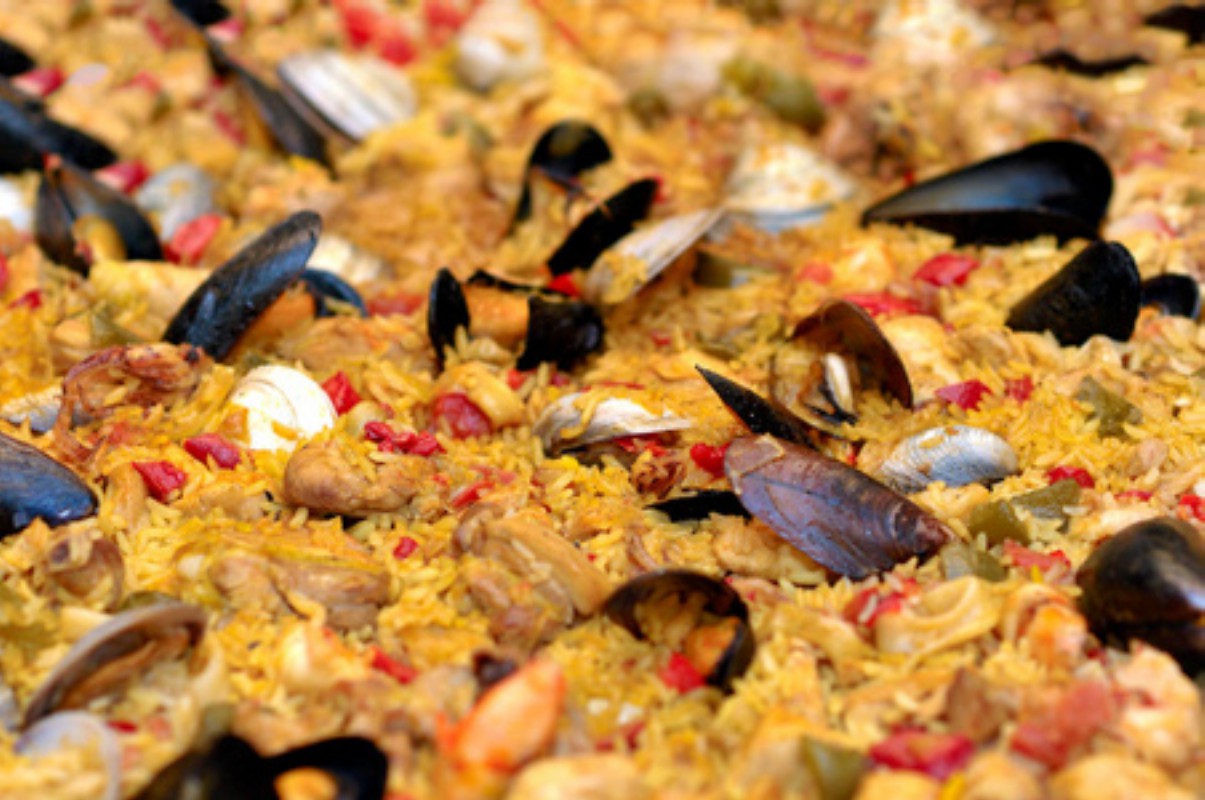
Casa Roberto in the Malasaña district is absolutely my top choice. This restaurant has been operating for over 40 years, and owner Roberto is from Valencia, maintaining traditional recipes. Their Madrid paella restaurants seafood paella is loaded with ingredients - prawns, clams, mussels - everything you could want. The key is those caramelized rice grains at the bottom of the pan, which are absolutely the soul of the dish. It gets crowded during lunch hours, so I recommend making reservations. Prices range from 18-22 euros, offering excellent value for money.
El Caldero - Modern Innovation Style
If you prefer something slightly more contemporary, El Caldero is a great choice. Located in the Chueca district with a trendy atmosphere, perfect for dining with friends. Their specialty is adding innovative elements to traditional seafood paella, such as roasted red pepper strips and lemon zest. While not the most traditional approach, the taste is genuinely fantastic. The only downside is the portions are slightly smaller, so I suggest pairing it with a salad.
| Restaurant Name | District | Price Range | Specialty |
|---|
| Casa Roberto | Malasaña | 18-22€ | Traditional Authentic |
| El Caldero | Chueca | 20-25€ | Modern Innovation |
| Marisquería Galicia | Centro | 16-20€ | Rich Seafood |
| La Barraca | Salamanca | 22-28€ | High-end Refined |
| Bar Central | Lavapiés | 14-18€ | Affordable Delicious |
Practical Tips and Considerations
When choosing paella restaurants, I usually pay attention to several details. First is the rice texture - good paella should have distinct, well-separated grains with a certain chewiness. Second is the freshness of seafood; if clams don’t open naturally or shrimp meat is overcooked, you can generally judge the quality is subpar. Finally, there’s that layer of socarrat (crispy bottom) - this is the key distinguishing factor between amateur and professional preparation.
Lunch hours are typically from 2 PM to 4 PM, when most restaurants offer Menu del día. Set menus including paella are usually 5-8 euros cheaper than ordering à la carte. However, note that paella portions in set menus tend to be smaller, so if you have a big appetite, I still recommend ordering Madrid paella individually.
Finally, I want to say that those top-ranked restaurants online may not suit everyone’s taste. The best approach is to try multiple places and find the one that matches your preferences. I hope these recommendations are helpful, and if you have other great paella differences paella restaurant suggestions, please feel free to share in the comments!
