As a foreigner who has lived in Spain for many years, I have always been deeply attracted to the historical culture of the numerous towns here. Whenever I have free time on weekends, I choose a new town to explore, and each visit brings unexpected discoveries and rewards.
Ancient Roman Architectural Remains
Many Spanish towns preserve architectural traces from the Roman period. In some towns in the Andalusia region, you can still see complete Roman bridges, aqueduct systems, and stone-paved roads. These structures not only showcase the superior engineering techniques of that time but also serve as important carriers of historical and cultural heritage. Particularly noteworthy is that many town squares are built on the original sites of ancient Roman forums.
Medieval Cultural Imprints
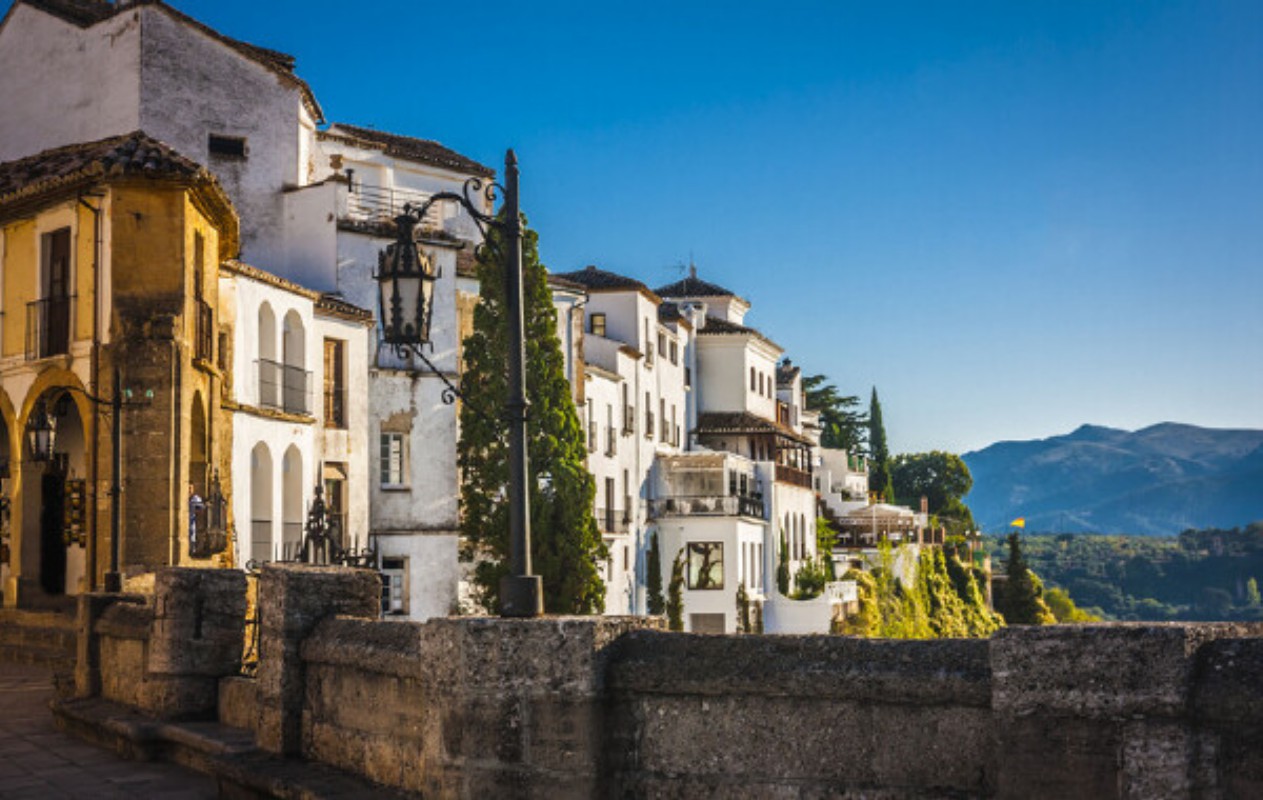
The medieval period was crucial for the cultural development of Spanish towns. During this stage, many towns formed unique architectural styles and cultural traditions. Narrow cobblestone streets, thick city walls, and towering church spires constitute the typical Spanish town landscape.
| Architecture Type | Main Features | Cultural Significance |
|---|
| Church Buildings | Gothic spires, stained glass windows | Religious cultural center |
| Castle Fortresses | Thick stone walls, watchtowers | Defense and power symbol |
| Residential Buildings | White walls with red tiles, wooden balconies | Daily life culture |
Traditional Festivals and Folk Culture
Festival activities in Spanish towns are the best window for understanding local culture. Each town has its own unique patron saint festival, usually held in spring or summer. These celebrations not only maintain centuries-old traditions but also continuously incorporate modern elements. Local residents dress in traditional costumes and hold religious processions, folk dances, and musical performances.
Modern Preservation and Cultural Heritage
Fortunately, both the Spanish government and local communities place great importance on protecting town culture. Through strict architectural planning regulations comprehensive cultural protection policies, many towns have successfully maintained their historical appearance. Meanwhile, cultural education programs help younger generations understand and inherit local cultural traditions. Many towns have also established cultural museums and historical exhibition centers, providing visitors and residents with opportunities to gain deeper understanding of local history through Toledo blacksmith crafts, Spanish town religious architecture, and town art museums.
