Just returned from several small towns in the Castile and León region, and I was truly amazed by those ancient religious buildings. As an architecture enthusiast, I must share my discoveries from this journey exploring Spanish town historical culture and the Toledo blacksmith craftsmanship I encountered.
The Simple Beauty of Romanesque Architecture
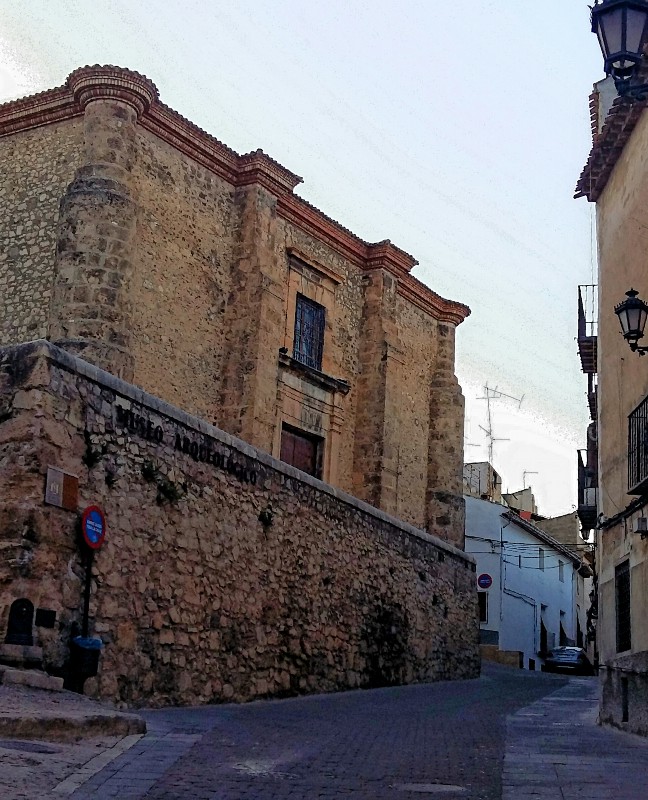
In small towns near Segovia, I discovered many well-preserved Romanesque churches. These buildings, typically constructed in the 11th-12th centuries, are characterized by their thick stone walls and semicircular arches. The Church of San Martín is the most typical example I’ve seen, with its exterior walls built from local sandstone that has withstood nearly a thousand years of weathering yet still stands strong. The interior of the church is dimly lit, creating a mysterious and solemn atmosphere.
The Magnificent Transformation of Gothic Architecture
By the 13th-14th centuries, Gothic style began gaining popularity in Spain. Compared to the heaviness of Romanesque, Gothic architecture appears more graceful and ornate. In a small church in Burgos, I witnessed the typical pointed arch structure and those exquisite rose windows. Sunlight filtering through stained glass onto stone columns creates a beauty that words simply cannot describe.
| Architectural Style | Main Features | Construction Period |
|---|
| Romanesque | Thick walls, round arches, small windows | 11th-12th centuries |
| Gothic | Pointed arches, flying buttresses, large windows | 13th-15th centuries |
| Renaissance | Symmetry, proportion, ornamentation | 15th-16th centuries |
Fusion of Local Characteristics
Spanish religious architecture also incorporates many indigenous elements. In the Andalusia region, I’ve seen churches that blend Moorish styles, with their distinctive horseshoe arches and geometric pattern decorations being truly special. Each region has its own unique architectural language, which perfectly represents the cultural diversity of Spain, as showcased in these town art museums.
What impressed me most were the bell towers of these small town churches. They are not only part of the religious architecture but also landmarks of the entire town. Standing beneath a bell tower and looking up, you can feel that transcendent shock across time and space. Although some are no longer in use, they remain witnesses to the town’s history.
If you’re also interested in these ancient buildings, I recommend visiting during spring or autumn when the light is soft and perfect for photography. Remember to bring an architectural history book - it will make your visit much more meaningful.
