The Unique Charm of Spanish Bullfighter Guitar
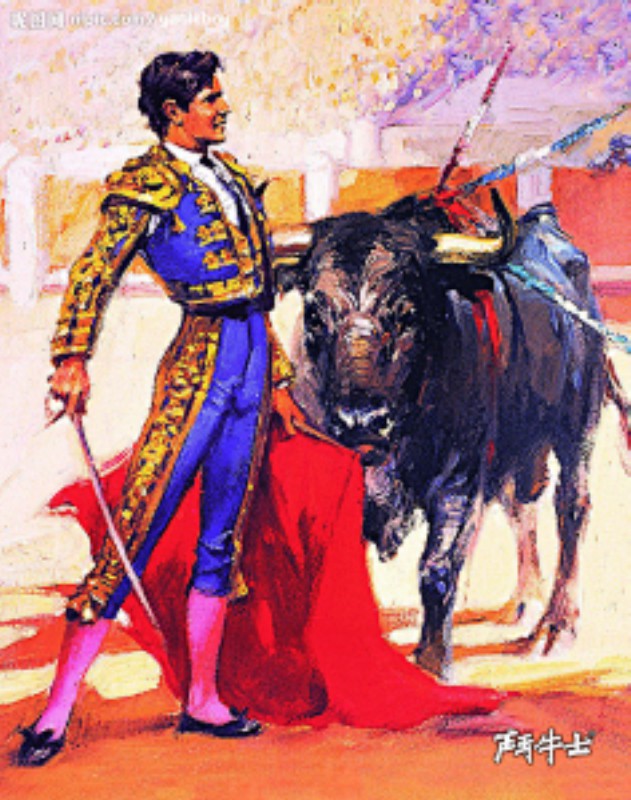
As a music enthusiast who has lived in Spain for many years, I have deep affection for the bullfighter guitar. This passionate instrument is not merely a musical tool, but an important carrier of Spanish culture. Whenever I hear the familiar rasgueo technique producing intense rhythms, it always evokes thoughts of the tension and excitement in bullrings and the elegant postures of flamenco dancers. The bullfighter songs tradition adds another layer to this rich musical heritage.
Bullfighter guitars differ significantly from ordinary classical guitars in construction. They typically feature thinner soundboards and side panels, creating a brighter and sharper tone that can stand out in noisy environments. The golpeador design is one of its most distinctive features - this plastic or wooden tap plate protects the guitar’s soundboard from fingernail strikes while becoming an integral part of performance techniques, much like the bullfighter trumpet adds its own unique voice to the ensemble.
Performance Technique Comparison Analysis
| Technique Name | Bullfighter Guitar Characteristics | Classical Guitar Differences |
|---|
| Rasgueo | Rapid continuous strumming, creating strong rhythmic feel | Less frequently used, focuses on single note clarity |
| Alzapua | Thumb upstroke combined with index finger downstroke | Primarily uses fingertip contact |
| Picado | Fast alternating picking, mimicking castanets sound | Emphasizes rounder tone quality |
| Tremolo | Continuous rapid single note repetition, creating vibrato effect | Relatively slower speed, pursuing evenness |
In the Andalusia region, I’ve had the privilege of watching multiple amateur professional flamenco performances. Those experienced guitarists playing bullfighter guitars produce music that contains both fiery passion and deep melancholy. Their fingers dance across the strings, with every note carrying rich emotional colors.
Learning bullfighter guitar requires special attention to rhythm development. Unlike classical guitar, flamenco music emphasizes complex beat changes and improvisation. Beginners often need to spend considerable time mastering basic compás rhythm patterns, which form the foundational framework for bullfighter accompaniment in flamenco music. I recommend starting with simple tangos and alegrías, gradually progressing to more complex soleares and siguiriyas.
For those wanting to deeply understand this art form, I recommend following renowned flamenco guitar masters like Paco de Lucía and Vicente Amigo. Their playing styles each have unique characteristics, but all perfectly interpret the essence of bullfighter guitar. Through listening to and imitating these masters’ works, one can better understand this instrument’s expressiveness and technical requirements.
