The Musical Charm of Spanish Bullfighter Trumpet Solo
In Spain’s musical tradition, the bullfighter trumpet solo occupies a unique position. This passionate performance form not only embodies the fervor and exuberance of Spanish culture, but also represents the perfect combination of musical artistry and emotional expression. Whenever the trumpeter plays that familiar melody, one can almost hear the cheers from the bullring and the enthusiasm of the audience.
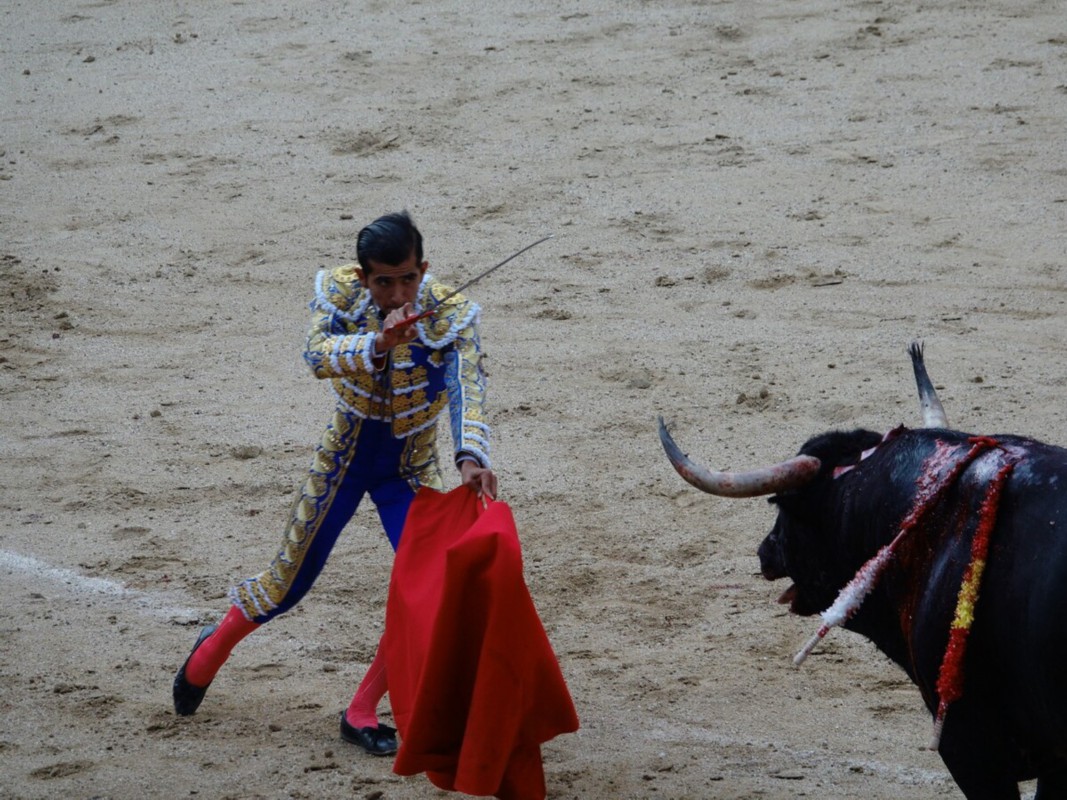
Performance Techniques and Characteristics
Bullfighter trumpet solo demands extremely high technical requirements from performers. Breath control is the most fundamental and important skill, requiring players to possess strong lung capacity and precise breath distribution abilities. Additionally, embouchure techniques and finger dexterity are equally crucial, as the combination of these skills enables the production of that soul-stirring tone.
Traditional bullfighter trumpet repertoire typically features brisk rhythms and dramatic melodic variations, requiring performers to execute rapid transitions from low to high registers within short timeframes. This technical challenge is precisely what makes the bullfighter songs bullfighter trumpet solo so captivating, testing every performer’s comprehensive abilities.
Cultural Background and Historical Heritage
| Period | Development Features | Representative Works |
|---|
| 18th Century | Court music influence | Classical bullfighting marches |
| 19th Century | Folk music integration | Andalusian style |
| Modern Era | International development | Contemporary adaptations |
The history of bullfighter trumpet solo can be traced back several centuries, originally created as background music for bullfighting performances. Over time, this musical form gradually became independent, evolving into a specialized performance art for the bullfighter trumpet. Many renowned composers have created related works for trumpet, ensuring this tradition continues to this day.
Learning Suggestions and Practice Methods
For those interested in learning bullfighter trumpet solo, it’s recommended to start with fundamental exercises. First, master correct playing posture and breathing techniques, then gradually practice scales and simple melodies. Consistent practice is the only path to improving skills, requiring at least one hour of daily practice.
Finding a suitable teacher is also important, as professional guidance can help learners avoid detours and master performance techniques more quickly. Additionally, listening to and watching excellent performance recordings and live shows can cultivate good musical sense and aesthetic appreciation.
I hope this sharing helps everyone better understand the wonderful musical art form of Spanish bullfighter trumpet solo. If anyone is interested in this topic or has related experience, particularly with bullfighter accompaniment, please feel free to share and discuss in the comments!
