The Charm and Heritage of Spanish Bullfighter Dance
As a dance enthusiast who has lived in Spain for many years, I have always been captivated by the unique charm of bullfighter dance. This dance is not merely simple body movements, but an embodiment of Spanish cultural spirit, combining courage, elegance, and passion with bullfighter songs.
Historical Origins of Bullfighter Dance
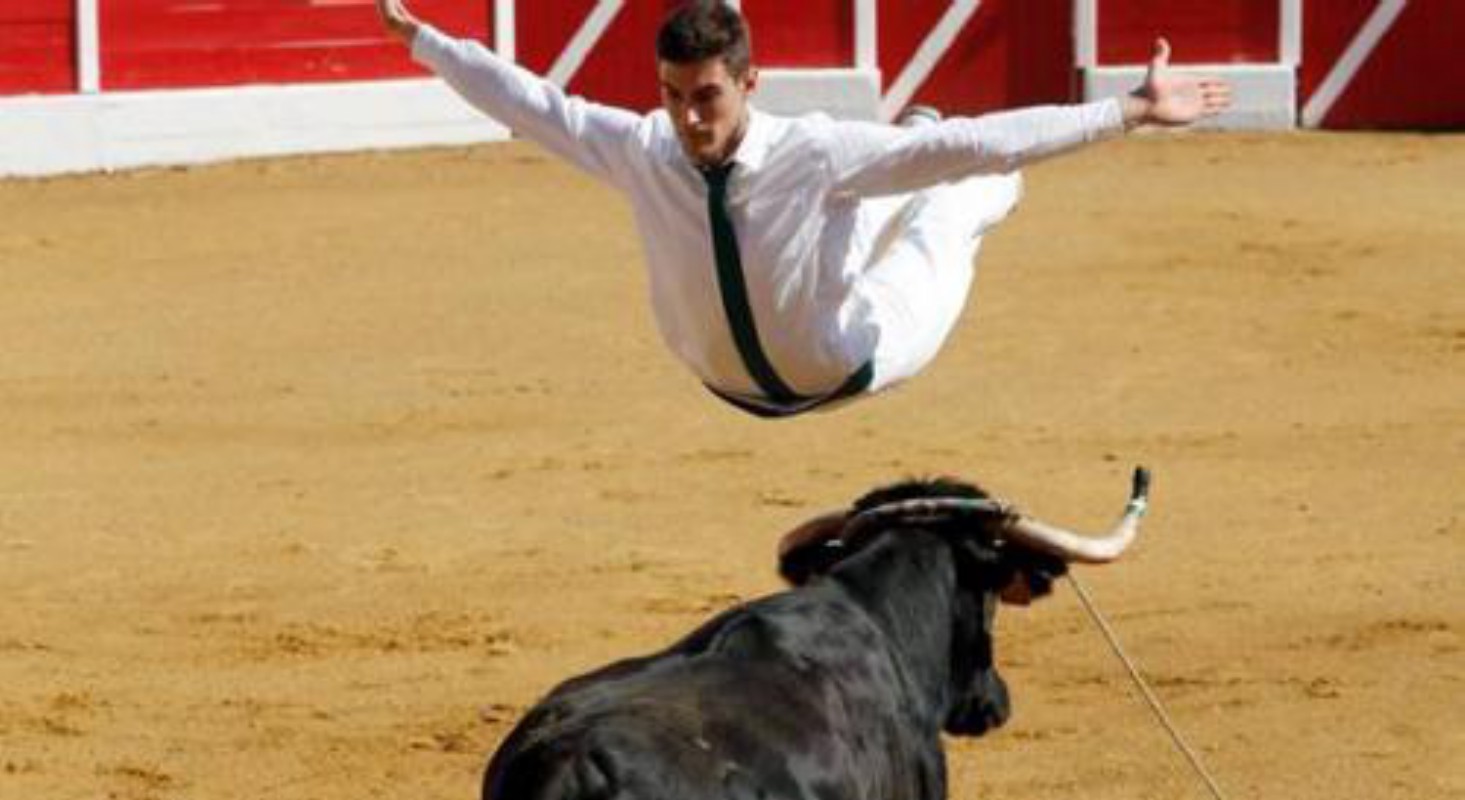
Bullfighter dance originated in the Andalusia region during the 18th century, initially as an art form performed by bullfighters outside the bullring. Dancers imitated the movements of bullfighters battling bulls, showcasing a dance style that was both elegant and powerful, often accompanied by bullfighter trumpet performances. This dance gradually developed into an important component of flamenco dance and continues to be widely performed at festivals throughout Spain.
Basic Characteristics and Techniques of the Dance
The most distinctive features of bullfighter dance are its intense dramatic quality and precise body control. Dancers must master complex footwork techniques, including rapid tap movements and fluid turns. Arm movements are particularly important, requiring imitation of a bullfighter’s cape-waving gestures while displaying both strength and grace.
| Technical Elements | Difficulty Level | Practice Time |
|---|
| Basic Footwork | Beginner | 2-3 months |
| Arm Movements | Intermediate | 4-6 months |
| Turning Techniques | Advanced | 8-12 months |
| Overall Performance | Professional | 2+ years |
Modern Heritage and Learning Opportunities
In modern Spain, bullfighter dance has evolved from simple folk art into professional performing art. Many dance schools offer related courses, particularly in major cities like Madrid, Seville, and Barcelona. For beginners interested in bullfighter accompaniment, it’s recommended to start with basic flamenco movements and gradually master the essence of bullfighter dance.
Cultural Significance and Artistic Value
Bullfighter dance is not merely an entertainment form, but carries profound cultural meaning. It embodies Spanish people’s love for life and pursuit of art, while also reflecting this nation’s never surrender brave spirit in facing challenges. In today’s globalized world, this traditional art form maintains vigorous vitality, attracting art enthusiasts from around the world to learn and appreciate it.
