Children’s Spanish Bullfighting Dance: Beginner’s Guide and Learning Essentials
I’ve been recently considering having my child learn Spanish bullfighting dance, and I’ve discovered that this dance style is particularly beneficial for [bullfighter dance] training in developing children’s temperament and physical coordination. Spanish bullfighting dance, as one of the Latin dances, is beloved for its unique passion and powerful expression. For children, it not only provides physical exercise but also allows them to experience the charm of Spanish culture.
Basic Dance Characteristics
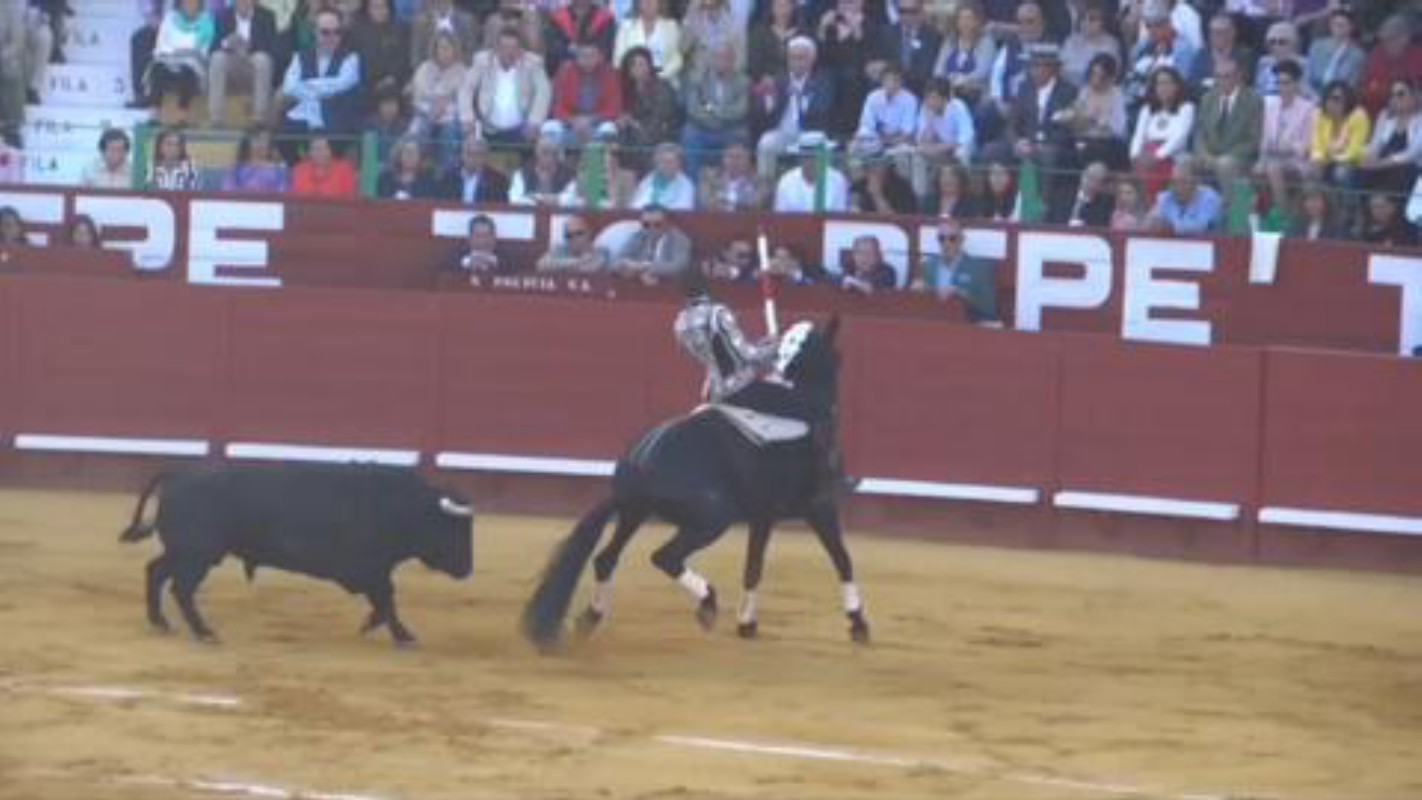
The most distinctive feature of Spanish bullfighting dance is its simulation of the scene between a bullfighter and a bull. Boys typically play the role of brave bullfighters, with movements requiring upright strength and confident, firm steps. Girls can portray elegant capes or passionate spectators, with movements focusing more on grace and expressiveness. This role-playing makes the learning process enjoyable for children while developing their performance abilities.
The dance music is typically in 2/4 time with a bright, powerful rhythm that requires dancers to accurately grasp the musical dynamics. For beginner children, it’s recommended to start practicing with basic walking steps and simple arm movements.
Learning Age and Course Arrangement
Based on information I’ve gathered, most dance schools recommend that children begin learning Spanish bullfighting dance between ages 6-8. Children at this age have developed a certain foundation in physical coordination while their comprehension abilities can keep up with dance requirements.
| Age Group | Learning Focus | Class Duration |
|---|
| 6-8 years | Basic steps, rhythm development | 45 minutes/class |
| 9-12 years | Movement combinations, expression training | 60 minutes/class |
| 13+ years | Complete dances, competition preparation | 90 minutes/class |
For beginners, 1-2 classes per week are recommended, giving children sufficient time to digest and practice what they’ve learned. As skills improve, practice frequency can be appropriately increased.
Costume and Props Requirements
When learning Spanish bullfighting dance, appropriate costumes help children better embody their roles. Basic attire for boys includes black fitted tops, black pants, and dance shoes. At advanced levels, they can be equipped with bullfighter hats and red capes. Girls can choose brightly colored dresses, paired with castanets and fans as props.
It’s important to note that beginners don’t need to purchase overly expensive professional costumes - comfortable, well-fitting practice wear is sufficient. As children’s skills improve and their interest stabilizes, then consider investing in more professional performance costumes.
Learning Recommendations and Considerations
Choosing the right dance teacher is crucial - it’s best to find instructors with professional Spanish dance backgrounds. Good teachers can not only teach correct techniques but also convey the essence of Spanish culture to children, making the learning process more vivid and interesting.
Parents should provide sufficient patience and encouragement during their child’s learning process. Spanish bullfighting dance requires considerable expressiveness and confidence, and some bullfighter dance introverted children may need more time to fully open up. Don’t rush for quick results - allowing children to gradually improve in a relaxed and pleasant atmosphere is the best approach.
