Just returned from the bullring in Seville with mixed emotions. As a foreigner who has lived in Spain for three years, I finally mustered the courage to witness this performance known as the “art of the brave.” Today I want to share my observations and reflections on Spanish bullfighting culture.
Historical Origins of Bullfighting
Spanish bullfighting can be traced back to Roman times, but the modern form mainly developed in the 18th century. This activity was initially entertainment for nobility, later gradually evolving into an important folk cultural activity. In the Andalusia region, bullfighting is not merely a performance, but an important component of local identity.
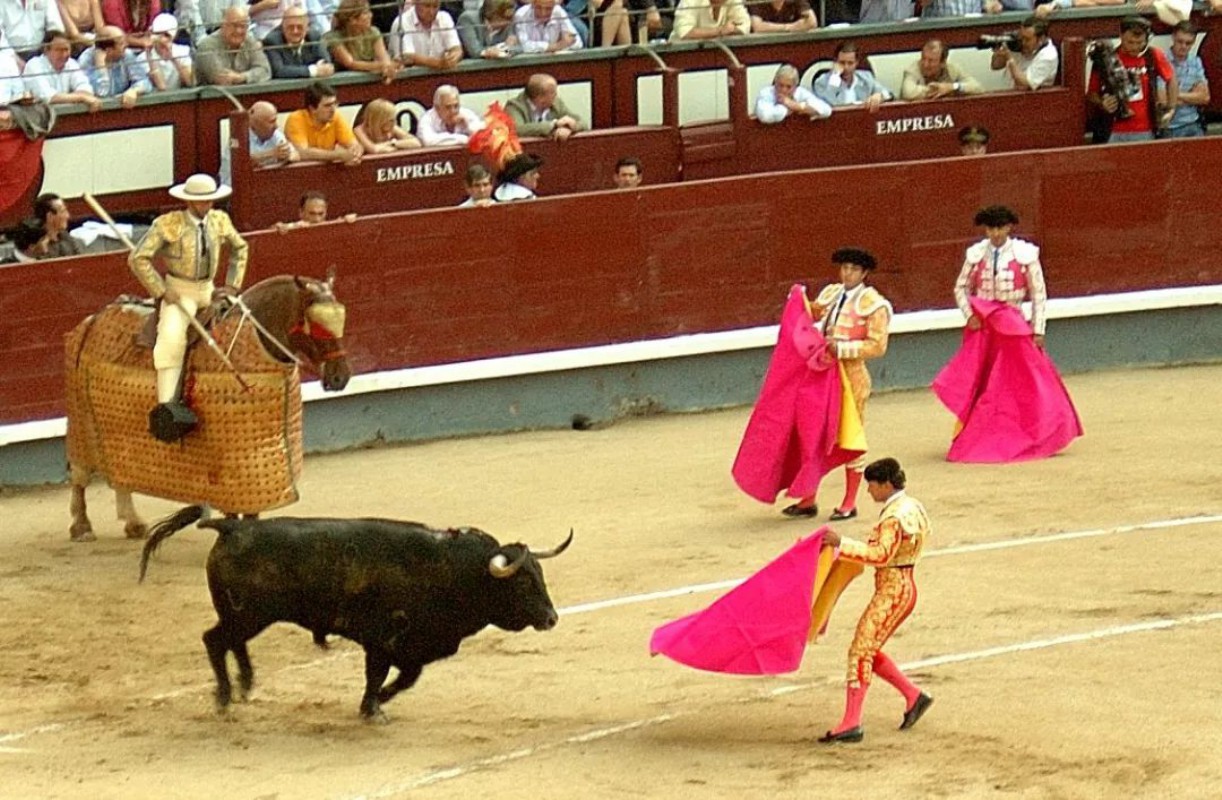
Three Stages of the Bullfighting Ritual
Traditional bullfighting performances are divided into three distinct stages, each with specific meaning and skill requirements:
| Stage | Spanish Name | Main Activity |
|---|
| First Act | Tercio de Varas | Lancers weaken the bull’s strength |
| Second Act | Tercio de Banderillas | Insertion of colorful short spears |
| Third Act | Tercio de Muerte | Matador’s final confrontation |
Each stage requires the matador to demonstrate different skills. The first stage mainly involves observing the bull’s character and attack patterns, the second stage tests the matador’s agility, while the final stage is the climax of the entire performance, requiring the matador to display the highest artistry and courage.
Modern Controversies and Changes
In recent years, Spanish society’s attitude toward bullfighting has changed significantly. The younger generation’s acceptance of this tradition has notably declined, and voices of protest from animal protection organizations have grown louder. Catalonia banned bullfighting activities in 2010, sparking intense cultural debate nationwide.
Supporters believe bullfighting is an inseparable part of Spanish cultural heritage, while opponents consider it cruel animal abuse. This division reflects the conflict between traditional culture and modern values, making us consider how to preserve tradition while adapting to changing times.
Personal Observations and Reflections
After witnessing a bullfighting performance firsthand, my feelings are indeed complex. On one hand, I must admit the matador’s artistry is truly breathtaking - that courage and elegance of brushing with death is shocking. On the other hand, seeing the bull’s suffering in the arena also causes inner unease.
Perhaps this is the essence of bullfighting culture - it will never leave anyone indifferent, whether supportive or opposed, it always evokes strong emotional responses. As foreigners, we may not fully understand what this tradition means to Spanish people, but we can at least respect different viewpoints and participate in this dialogue between tradition and modernity. The bullfighting march guitar techniques and bullfighting march piano performances continue to echo this cultural complexity, while the bullfighting march sheet music preserves these musical traditions for future generations.
