As a piano enthusiast who has lived in Spain for many years, I’d like to share some insights about performing the Spanish Bullfighter March on piano. This classic piece not only showcases Spain’s unique musical style but also carries profound cultural significance.
Background and Characteristics
The Spanish Bullfighter March was originally composed by Bizet in his opera “Carmen” and later adapted into various instrumental versions. The piano version is particularly beloved by performers as it perfectly captures the work’s dramatic nature and rhythmic intensity. This piece is characterized by its distinct rhythm, beautiful melody, and the passion and vitality of Spain’s southern Andalusian region.
Key Performance Techniques
When performing this work, several technical points require special attention. First is rhythmic control - the Bullfighter March has a typical march beat that requires maintaining a steady and powerful rhythmic sense. Second is dynamic control - contrast between forte and piano is a crucial expressive element in this piece, requiring dramatic effects between different sections.
| Technical Element | Specific Requirements |
|---|
| Rhythm Control | Maintain steady march tempo |
| Dynamic Changes | Focus on forte-piano contrast effects |
| Pedal Usage | Moderate use of sustain pedal |
| Fingering | Ensure smooth scalar passages |
Cultural Interpretation
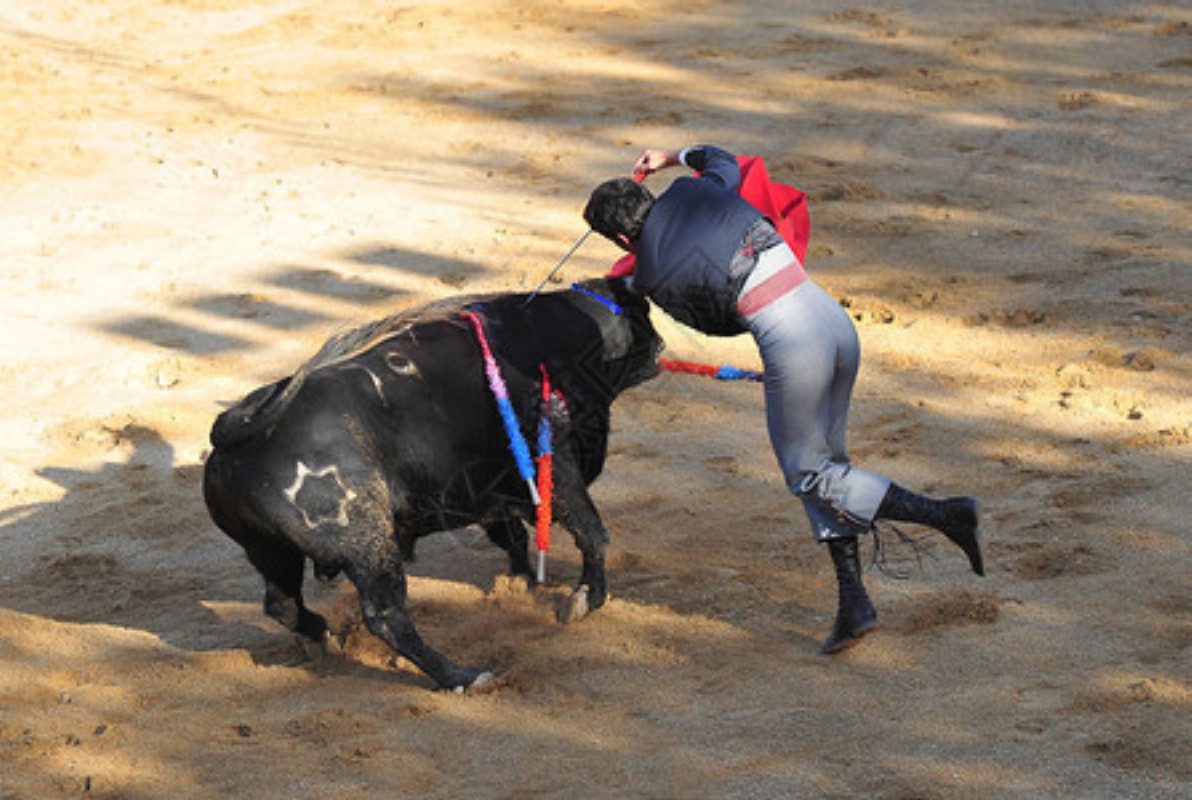
This work is not merely a piano piece but a musical portrait of Spanish culture. As a traditional cultural symbol of Spain, Spanish bullfighting represents the perfect combination of courage, passion, and artistry. When performing, we must understand this cultural background to better interpret the work’s inner spirit. Passionate and spirited melodic lines, combined with intense and dramatic harmonic progressions, create that heart-stopping atmosphere of the bullring.
For beginners, I recommend starting with slow practice to gradually master each technical challenge. Pay particular attention to the stability of the left-hand accompaniment, which forms the rhythmic foundation of the entire piece. The right-hand melody requires emphasis on its singing quality, making every note expressive.
Through in-depth study and performance of this work, one can not only improve piano technique but also experience the unique charm of Spanish musical culture. I hope more piano enthusiasts will attempt to perform this classic piece, experiencing Spain’s passion and romance through music, whether exploring the bullfighter march guitar version or studying the bullfighter march scores and performance techniques.
