As a dance enthusiast who has lived in Spain for many years, I want to share my learning experience with Spanish bullfighting dance solo performance. This passionate dance form not only showcases the charm of Spanish culture but also effectively trains body coordination and expressiveness.
Basic Posture and Hand Movements
The basic posture of bullfighting dance is very important. Maintain an upright chest with abdomen tucked in, shoulders relaxed and lowered, head slightly raised, and eyes should convey strength. Hand movements are the essence of bullfighting dance - imagine holding a cape in your hands and make waving motions. Arms should have fluid arcs, generating power from the shoulders, transmitting through the elbows to the wrists, and finally to the fingertips.
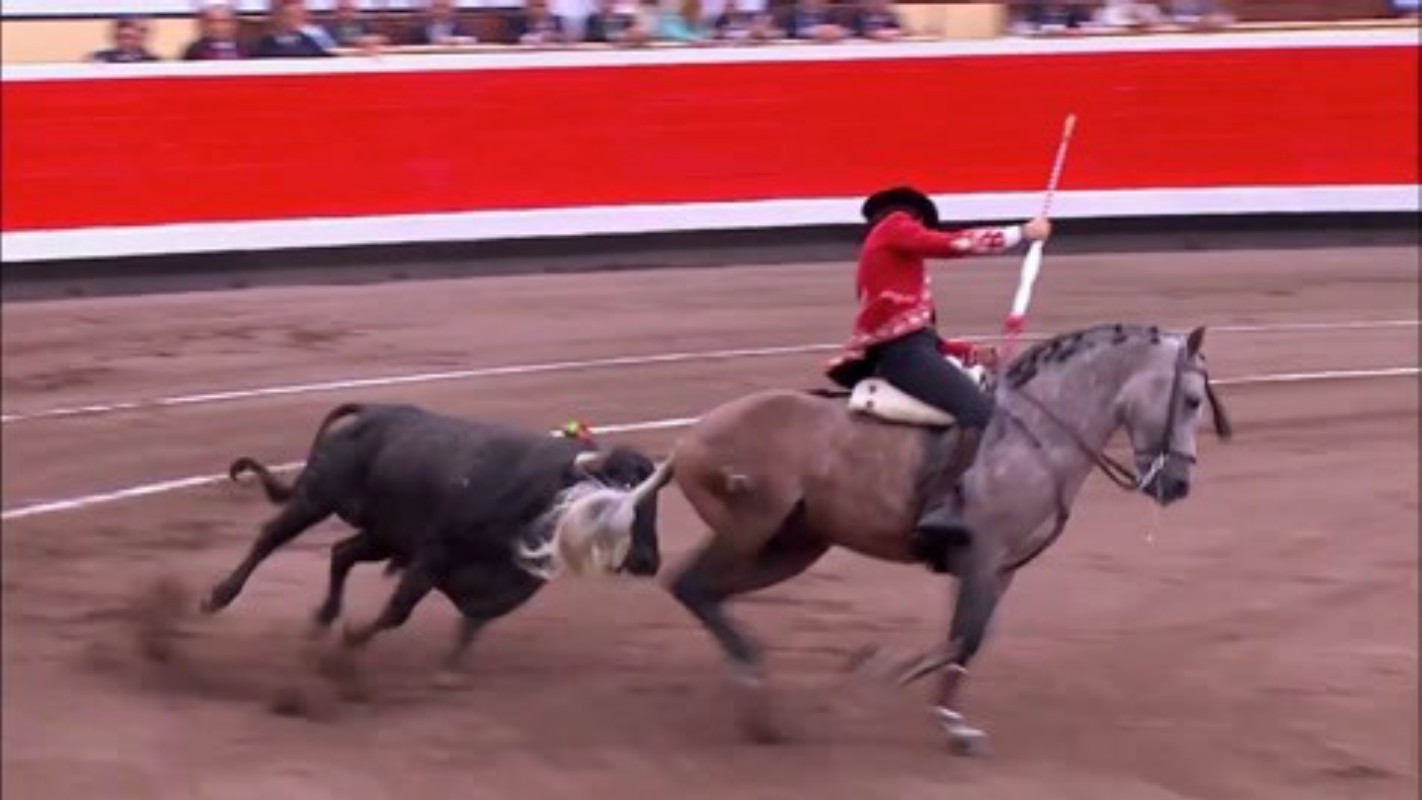
Footwork Practice Techniques
Footwork is the foundation of bullfighting dance, requiring mastery of several basic steps. The first is the forward step - step forward with the right foot, follow with the left foot, maintaining stable center of gravity. The second is the side slide step - slide left or right with the sole of the foot touching the ground, movements should be clean and sharp. When practicing, you can use a metronome, starting slowly and gradually increasing speed.
| Step Type | Practice Points | Recommended Practice Time |
|---|
| Forward Step | Stable center, even stride | 15 minutes daily |
| Side Slide Step | Sole on ground, fluid motion | 10 minutes daily |
| Turn Step | Maintain balance, head leads | 20 minutes daily |
Emotional Expression and Stage Performance
Bullfighting dance is not just a display of technique, but more importantly, the conveyance of emotion. You must imagine yourself as a brave matador, showing courage while maintaining elegance when facing a powerful bull. Eyes should be firm and powerful, facial expressions confident and composed. During practice, observe yourself in the mirror to ensure every movement is filled with emotion.
Musical Rhythm and Coordination
Choosing appropriate music is very important for practice. Traditional Spanish bullfighting dance music typically uses ¾ or 4/4 time signatures with bright and powerful rhythms. Beginners should choose slower tempo pieces, then challenge faster rhythms after becoming proficient. Never rush for quick results - progress should be gradual.
Through continuous practice and deep understanding of Spanish culture, including bullfighting dance tutorials and piano Spanish bullfighting, I believe everyone can master this beautiful art form. Remember, the most important aspect of bullfighting dance is having passion and confidence - technique can be practiced slowly, but the inner flame must be ignited from the very beginning. I hope this experience can help friends who want to learn bullfighting dance.
