Introduction to Spanish Bullfighting Piano Tutorial
Recently, I’ve been studying Spanish-style piano repertoire, particularly those works filled with bullfighting passion. After several months of practice and research, I’d like to share some insights with you. Expressing Spanish bullfighting music on piano requires special techniques and understanding, and I hope these experiences can help fellow music lovers who share the same passion.
Basic Fingering and Hand Position Requirements
When performing Spanish bullfighting-style piano works, mastering correct fingering is essential. The right hand needs powerful key-striking ability, especially when expressing the brave image of the matador. The left hand must provide stable rhythmic support, imitating the strumming effects of a guitar. Wrists should remain flexible, capable of quickly switching between forte and piano dynamics.
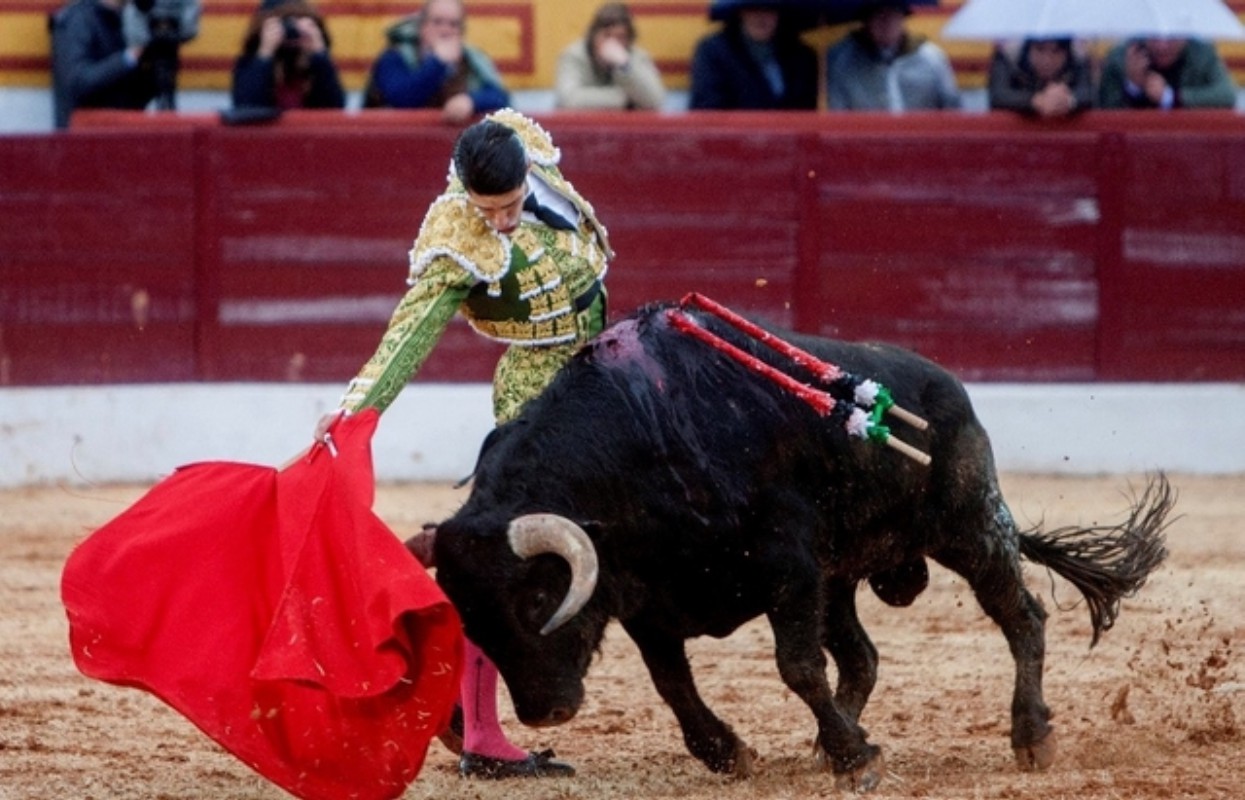
I recommend starting practice at slow tempos and gradually increasing speed. Practice basic fingering for at least 30 minutes daily, focusing on finger independence and dynamic control. Remember, the charm of Spanish music lies in its strong rhythmic sense and emotional expression.
Rhythm Training and Musical Understanding
Spanish bullfighting music has very distinctive rhythmic characteristics, typically using ¾ or 6/8 time signatures. During practice, pay special attention to accent placement and beat division. Here are some common rhythmic pattern practice suggestions:
| Time Signature | Practice Focus | Recommended Tempo |
|---|
| ¾ time | Strong-weak-weak accent pattern | 60-80 BPM |
| 6/8 time | Compound meter fluidity | 50-70 BPM |
| Mixed meters | Adaptability to rhythmic changes | Depends on repertoire |
In understanding musical content, imagine various scenes from the bullring. The matador’s elegant steps, the bull’s charging power, the audience’s enthusiastic cheers - all these need to be expressed through piano tone and dynamics, much like what you’d learn in bullfighting dance instruction.
Classic Repertoire Recommendations and Analysis
For beginners, I recommend starting with Albéniz’s “Suite Española.” While this collection has certain difficulties, it’s perfect for understanding the essence of Spanish music. Don’t attempt the most challenging passages right away - progress should be gradual.
“Asturias (Leyenda)” is the most famous piece in the collection, with opening tremolos requiring high technical skill. The right hand must execute rapid, even tremolos while the left hand maintains stable bass support. This piece excellently showcases the guitar characteristics in Spanish music, and when playing on piano, one should strive to imitate these effects.
Practice Suggestions and Important Notes
In daily practice, I suggest listening to authentic Spanish music recordings to develop a feel for this musical style. Additionally, watching bullfighting competition videos can help understand the real cultural background, as explored in bullfighting dance, which greatly aids musical expression.
During practice, protect your hands and avoid injury from excessive force. While Spanish music requires strong expression, technical application should be relaxed and natural. Remember, music’s infectious power comes from inner understanding, not mere technical showmanship.
I hope these insights are helpful to everyone. If you have questions or would like to discuss anything, please leave comments below. Let’s experience the passion and charm of Spanish bullfighting together through piano!
