Recently, I took my 7-year-old daughter to a flamenco performance, and she was particularly fascinated by the bullfighting dance segments. After returning home, she kept asking me to learn this dance, so I began researching information about children’s Spanish bullfighting dance and wanted to share my findings with everyone.
What is Children’s Spanish Bullfighting Dance
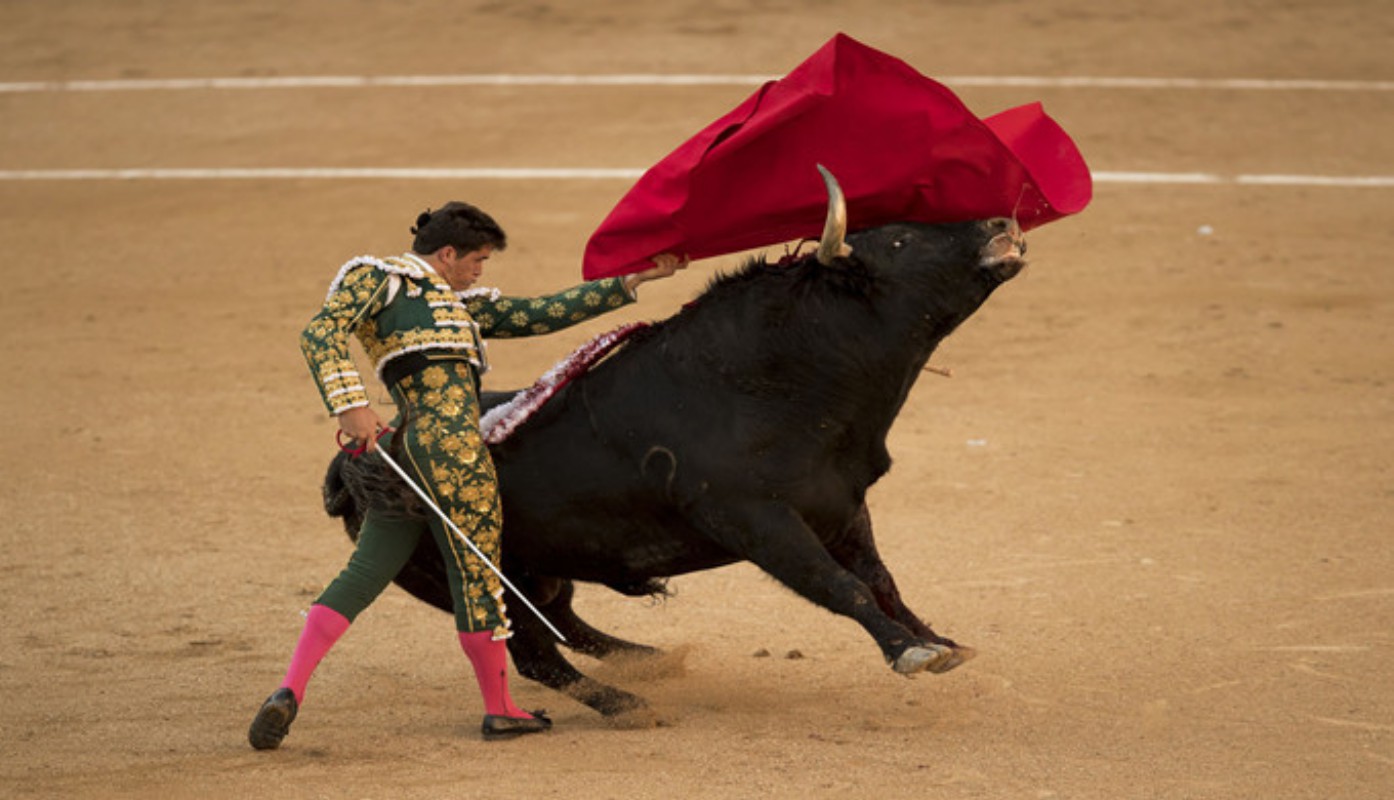
Spanish bullfighting dance is a passionate and dramatic dance form that mimics the confrontation between matadors and bulls in the bullring. For children, this dance not only cultivates their artistic sensibilities but also enhances physical coordination and expressiveness. The bullfighting dance is characterized by powerful, vigorous movements with a fast-paced rhythm, making it perfect for active and energetic children.
Benefits of Learning Bullfighting Dance
There are many advantages to having children learn bullfighting dance. First, it improves children’s physical fitness, enhancing muscle strength and flexibility. Second, bullfighting dance requires precise rhythm, which helps develop children’s musical perception abilities. Most importantly, by imitating the brave posture of matadors, children can build self-confidence and learn to showcase themselves on stage.
Here are recommended arrangements for different age groups learning bullfighting dance:
| Age Group | Learning Focus | Training Duration |
|---|
| 4-6 years | Basic steps and rhythm | 30 minutes/session |
| 7-9 years | Arm movements and expression training | 45 minutes/session |
| 10-12 years | Complete dance and stage performance | 60 minutes/session |
Basic Movement Techniques
The basic movements of children’s bullfighting dance are relatively simplified, mainly including several core elements. Maintaining an upright chest and raised head is the most basic posture requirement, children need to keep their spine straight, displaying the dignity of a matador. Arm movements should be powerful but not stiff, mimicking the motion of waving a cape. Footwork must be solid and forceful, with each step landing on the beat.
During the teaching process, I found that children most easily master the “Sur Place” and “Promenade” basic movements. Teachers usually use games to teach, such as having children imagine they are actually in a bullring, which better stimulates their learning interest.
Choosing the Right Learning Environment
When selecting a bullfighting dance training class for children, I recommend focusing on several aspects. First is the teaching staff, not all dance teachers know how to teach children’s bullfighting dance, so it’s best to choose professional teachers with experience in children’s instruction. Second is the teaching environment, which needs sufficient space for children to move freely, with professional dance flooring being ideal.
Parents can also create a practice environment at home for their children. Prepare some Spanish-style music, buy simple practice clothes for the child, and even prepare a small red cloth strip as a cape prop. These small details can enhance the child’s sense of immersion, making practice more enjoyable.
