Children’s Spanish Bullfighting Dance: A Beginner’s Guide and Learning Tips
Recently, I took my daughter to visit a dance school and was deeply impressed by a group of children performing Spanish bullfighting dance. The passionate and powerful dance movements, accompanied by classic Spanish music, were truly captivating. As a parent who has lived in Spain for many years, I believe letting children learn this traditional dance is an excellent choice.
Basic Characteristics of Spanish Bullfighting Dance
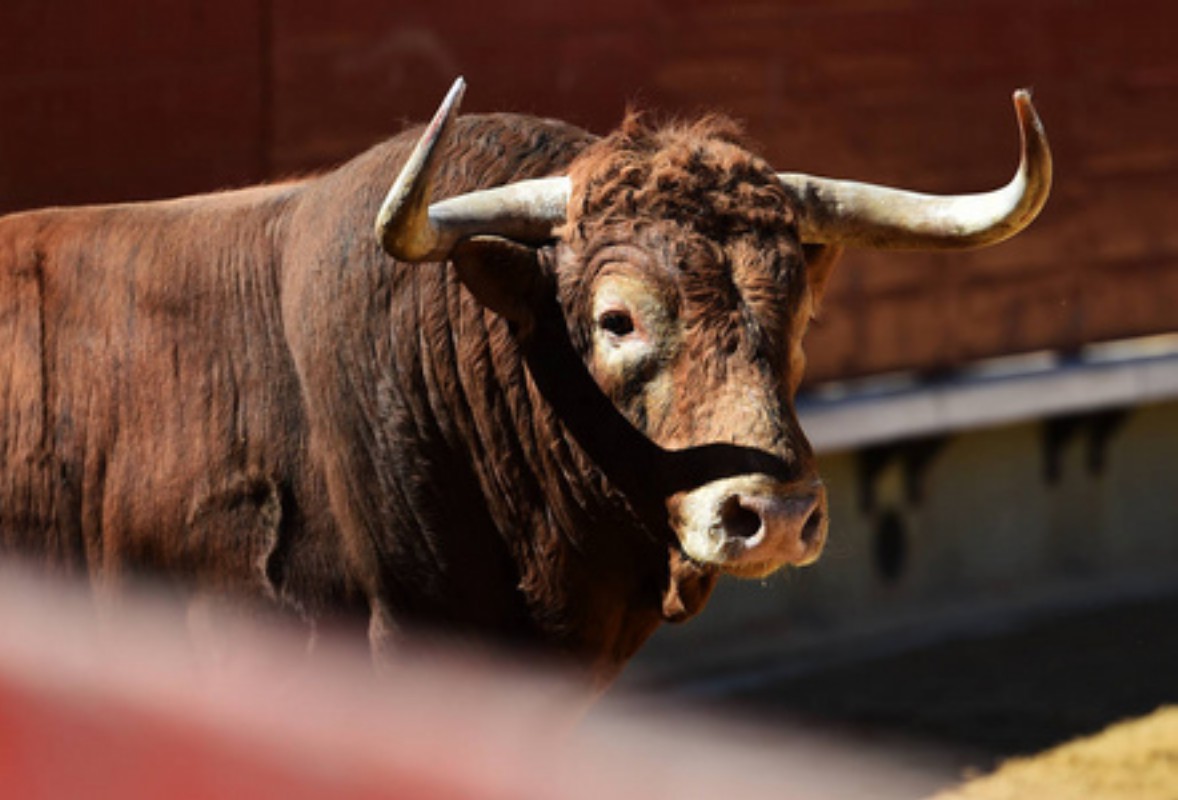
Spanish bullfighting dance, also known as Paso Doble, is a dance that mimics bullfighting scenes. For children, this dance not only cultivates their sense of rhythm and coordination but also allows them to experience the unique charm of Spanish culture. The dance movements like holding one’s head high and firm steps can effectively improve children’s posture and confidence.
Basic Movements Suitable for Children
Based on my observations, the children’s version of Spanish bullfighting dance mainly includes the following core movements:
| Movement Name | Difficulty Level | Suitable Age |
|---|
| Basic Steps | Beginner | 4-6 years |
| Arm Movements | Beginner | 4-6 years |
| Turning Actions | Intermediate | 6-8 years |
| Jump Combinations | Intermediate | 7-10 years |
It’s particularly important to note that children should learn progressively and not rush. Teachers usually start with simple stepping and gestures, then gradually increase the complexity of movements.
Benefits of Learning This Dance
From my daughter’s learning experience, Spanish bullfighting dance has many positive impacts on children’s development. First is improved body coordination - children need to simultaneously control their arms, legs, and body movements, which greatly helps their motor skill development. Second is musical sense cultivation, as Spanish music has strong rhythms that effectively train children’s sense of beat.
Choosing the Right Learning Environment
In Spain, many community centers and dance schools offer children’s Spanish dance courses. Parents should consider several aspects when choosing: the teacher’s professional background, the safety of the teaching environment, and whether there are age-appropriate course settings. My daughter’s dance teacher is a professional dancer from Andalusia who excels at teaching children basic movements through games.
Initially, I was worried this dance might be too difficult for children, but it turns out that with proper methods, children learn quite quickly. Now my daughter gets excited every time she practices and often performs for us at home! If you’re considering children’s Spanish bullfighting dance and other parents are also thinking about letting their children learn Spanish dance, I highly recommend giving it a try.
