Recently at a concert in Madrid, I heard the erhu performance of “Spanish Bullfighting Song,” and that震撼 still resonates in my heart today. As a music enthusiast who has lived in Spain for many years, I want to share with you the charm of this unique work.
Background and Creative Inspiration
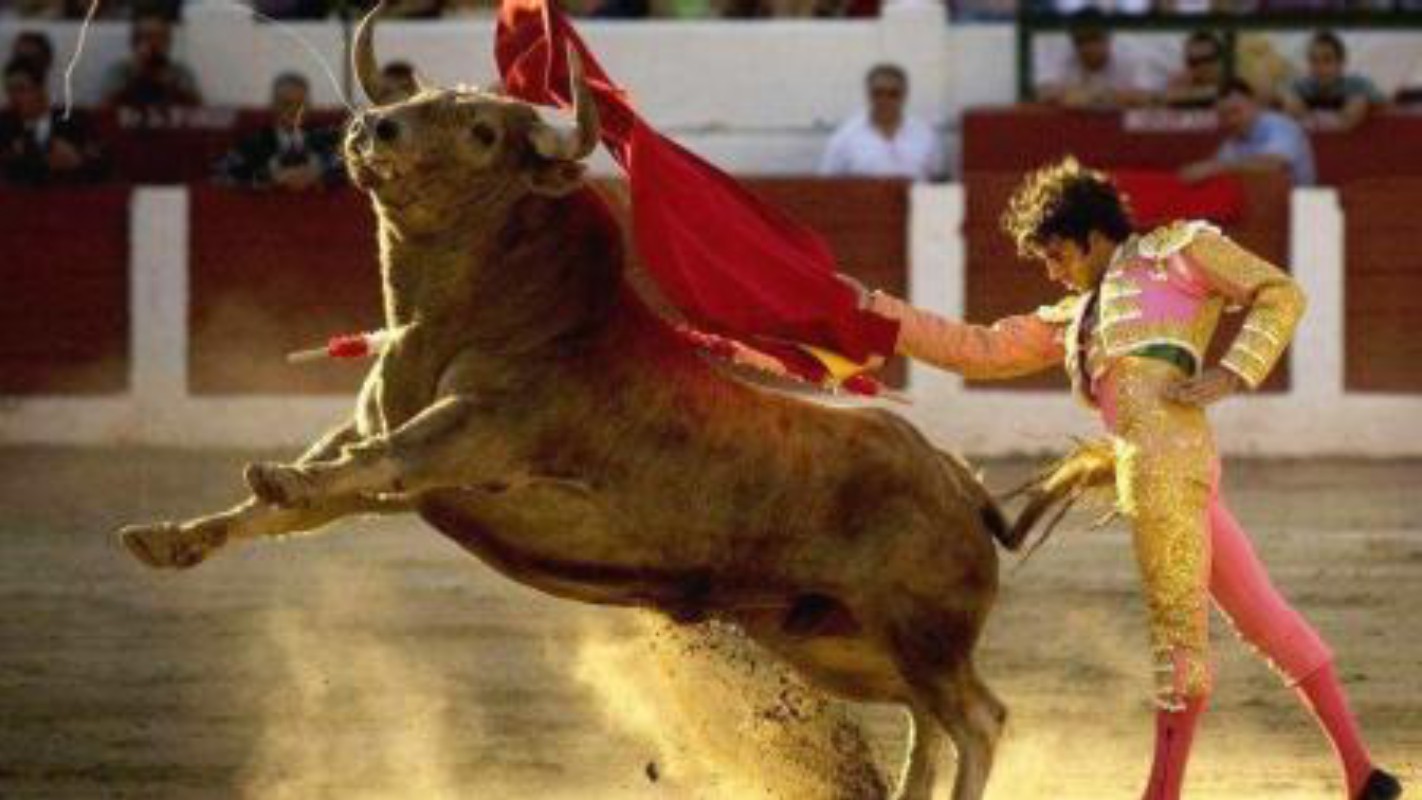
“Spanish Bullfighting Song” is an erhu solo piece created by renowned Chinese composer Liu Wenjin in 1982. This work ingeniously combines the intense scenes of Spanish bullfighting with the unique timbre of the erhu, creating an unprecedented musical experience. The piece uses the erhu to simulate the tense atmosphere of the bullring, from the bravery of the matador to the wildness of the bull, every note is filled with dramatic tension.
Musical Structure and Technical Features
This piece is extremely challenging technically, requiring performers to possess superb erhu skills. Rapid trills, wide-range glissandos, and the erhu performing Spanish bullfighter complex rhythmic changes all perfectly interpret the fierce confrontation in the bullring. Particularly the slow movement in the middle section seems to depict the tense moment when the matador and bull face off, that feeling of stillness within motion makes one hold their breath.
| Section | Characteristics | Technical Requirements |
|---|
| Introduction | Mysterious and solemn | Long bow control |
| Allegro | Intense and tense | Rapid fingering |
| Adagio | Deep and beautiful | Tone variation |
| Finale | Brilliant and magnificent | Comprehensive techniques |
Unique Charm of Cultural Fusion
What moves me most is the spirit of cultural fusion embodied in this piece. The erhu, as one of China’s most representative folk instruments, can so vividly express Spanish cultural symbols. This kind of cross-cultural musical creation not only demonstrates the universality of music but also reflects mutual understanding and appreciation between different civilizations. Hearing such a performance in Spain truly makes one feel the power of music without borders.
Performance Techniques and Emotional Expression
To perfectly interpret this work, performers need not only solid technical foundation but also deep understanding of Spanish culture. Mere technical showmanship is far from sufficient; the key lies in how to convey the spiritual essence of Spanish bullfighting through this Oriental instrument, the erhu. Every change in bowing technique, every treatment of notes, should serve the overall emotional expression.
After listening to this performance, I was deeply moved by this cross-cultural artistic expression. “Spanish Bullfighting Song” is not only a technically superb erhu work but also a beautiful testimony to East-West cultural exchange. I hope more friends in Spain can pay attention to such musical works and feel the artistic sparks created by the collision of different cultures.
