Recently at a concert in Madrid, I heard a Chinese musician perform “Spanish Bullfighter” on the erhu, and the shocking collision of Eastern and Western musical cultures remains unforgettable to this day. As a music enthusiast who has lived in Spain for many years, I want to share this unique performance form with everyone.
The Wonderful Encounter Between Erhu and Spanish Music
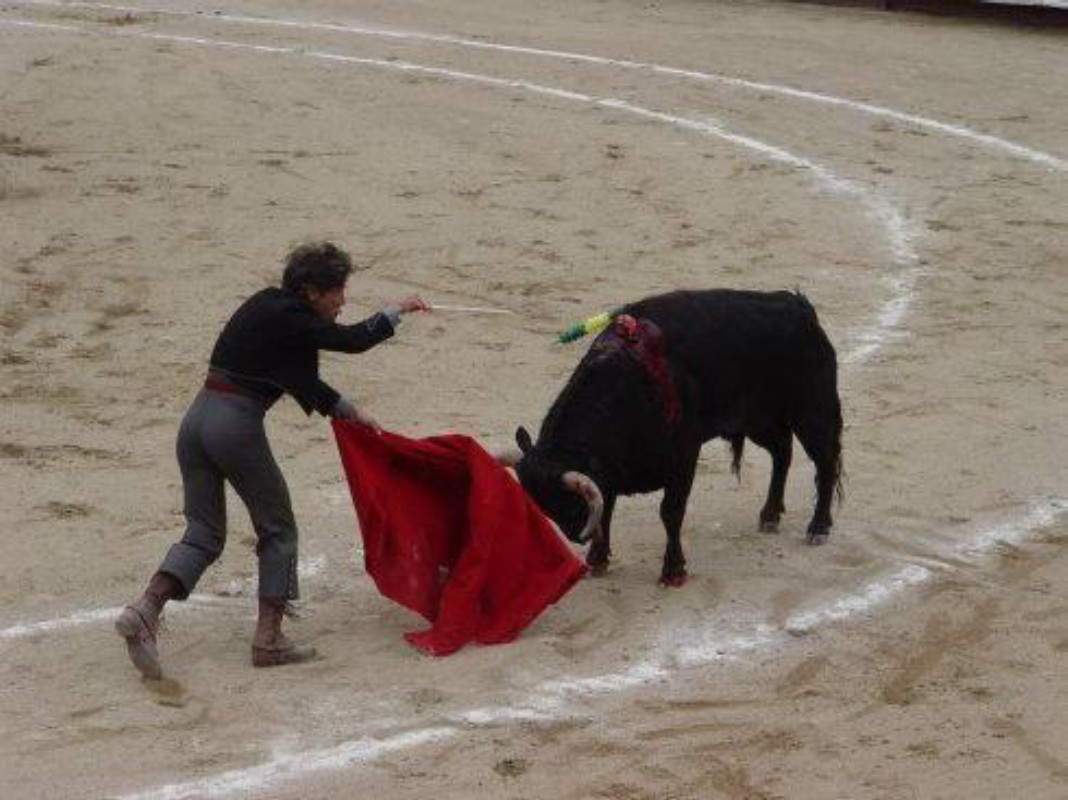
The erhu, as a traditional Chinese bowed string instrument, has a melodious and graceful tone, while “Spanish Bullfighter” is filled with passion and power. When the erhu’s gentleness meets the bullfighter’s intensity, the chemical reaction produced is stunning. Through skillful technical handling, performers allow the erhu to maintain its Eastern charm while perfectly interpreting Spain’s passionate exuberance.
Performance Technique Analysis
Playing Spanish-style music on the erhu requires special technical handling. Vibrato techniques are particularly important when expressing the tense atmosphere of bullfighters, while rapid string changes can simulate the strumming effects of Spanish guitar. Performers also need to master different bowing techniques, creating dramatic effects through erhu Spanish bullfighting music dynamic contrasts.
| Technique Type | Application Scene | Effect Description |
|---|
| Vibrato | Tense passages | Creates suspenseful atmosphere |
| Fast bowing | Intense segments | Expresses passionate emotions |
| Glissando | Lyrical parts | Adds gentle coloring |
Deep Significance of Cultural Fusion
This cross-cultural musical interpretation is not merely a display of technique, but an embodiment of cultural exchange. On Spanish soil, we have witnessed countless cultural fusions and collisions. Traditional boundaries are being broken down, and music has become a bridge connecting different cultures. The erhu version of “Spanish Bullfighter” shows us that art knows no borders, and expressions of beauty can be diversified.
Performance Reception in Spain
Surprisingly, Spanish audiences have shown tremendous interest and recognition for this performance form. Many locals expressed that although the instrument is different, they can still feel that passion and pride belonging to Spain. This cultural resonance proves the universal value of music and opens new performance spaces for Chinese musicians in Spain.
For friends who love music, I recommend trying to appreciate this cross-cultural musical work. Whether you are an erhu enthusiast or a Spanish music fan, this unique interpretation can bring you a completely new auditory experience. The charm of music lies in its ability to transcend language and cultural barriers, reaching directly to the heart.
