Spanish Bullfighting Culture In-Depth Analysis
As a foreigner who has lived in Spain for many years, I have a complex and profound understanding of this country’s most controversial traditional culture—bullfighting. Bullfighting is not merely an entertainment activity, but an important component of Spanish national spirit and cultural identity. Today I want to share my observations and understanding of Spanish bullfighting culture with you.
Historical Origins and Cultural Significance
The history of Spanish bullfighting can be traced back to ancient Roman times, but the modern form of bullfighting was established around the mid-18th century. This activity originally arose from aristocratic hunting traditions and gradually evolved into a popular form of entertainment. In the eyes of Spaniards, bullfighting embodies human courage and grace when facing the threat of death, representing a performance form that perfectly combines art, bravery, and skill.
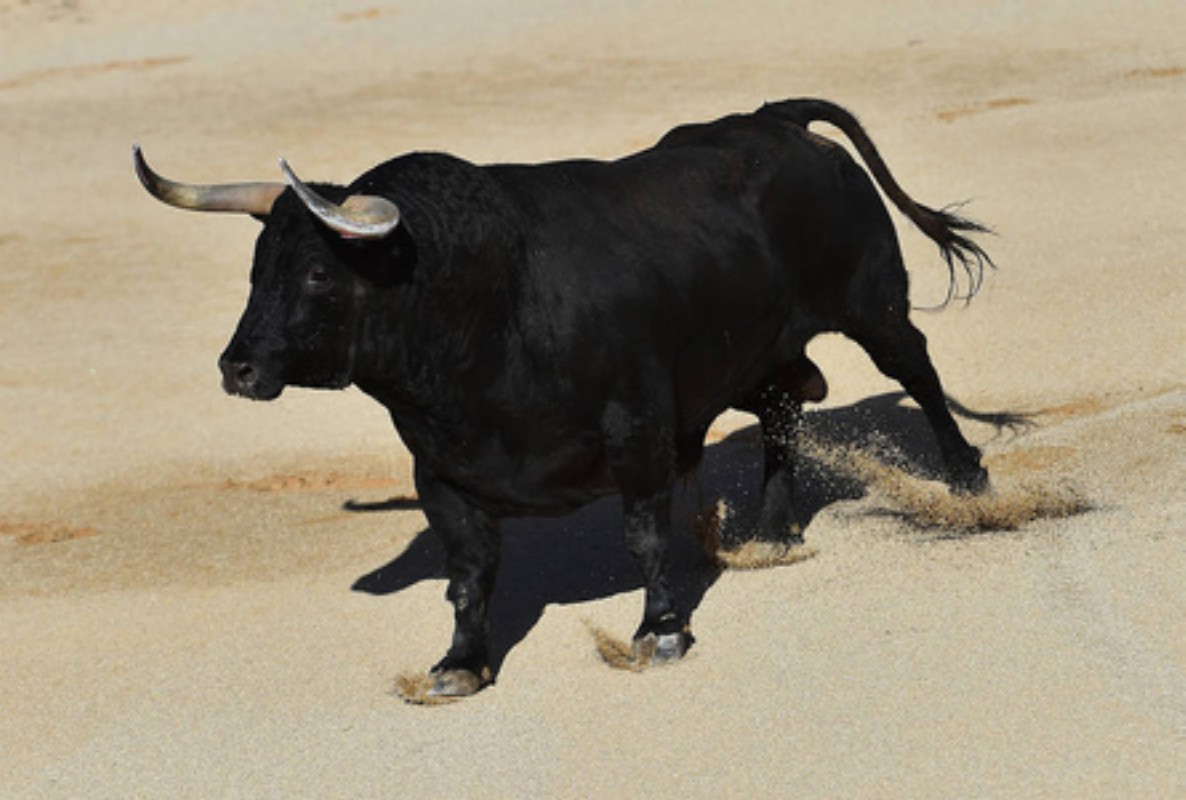
Basic Process of Bullfighting Ceremony
Traditional bullfighting performances are divided into three stages, each with its specific meaning and technical requirements. The entire process is filled with ritualistic elements, from the matador’s costume to the choice of music, every detail carries profound cultural significance.
| Stage | Name | Main Content |
|---|
| First Stage | Tercio de Varas | Mounted picadors provoke the bull with lances |
| Second Stage | Tercio de Banderillas | Insertion of colorful short spears |
| Third Stage | Tercio de Muerte | Matador’s final killing of the bull |
Modern Society’s Controversies and Reflections
With the rise of animal protection awareness, bullfighting faces increasing questioning and opposition within Spain itself. The younger generation of Spaniards shows a markedly more indifferent attitude toward bullfighting, with many believing this tradition no longer aligns with modern society’s values. Catalonia even passed a law banning bullfighting in 2010, though it was later overturned by the Constitutional Court, reflecting changing social attitudes.
It’s worth noting that even among bullfighting supporters, some advocate for reforming traditional practices, such as developing non-lethal bullfighting performances. This compromise approach attempts to find balance between maintaining traditional culture and respecting animal rights.
Cultural Heritage and Future Development
Despite facing controversy, bullfighting culture still maintains strong vitality in certain regions of Spain. Bullrings in Andalusia, Madrid, Navarra, and other areas continue to attract numerous spectators, especially during important festivals. For many Spaniards, bullfighting culture represents not just entertainment, but a cultural bridge connecting past and present.
As a foreign observer, I believe understanding bullfighting culture requires going beyond simple support or opposition, and recognizing its complex position in Spanish society. Regardless of future developments, bullfighting will continue to be an important element that cannot be ignored in understanding Spanish culture. What are your thoughts on Spanish bullfighting culture? Feel free to share your perspectives in the comments section.
