As a foreigner who has lived in Spain for several years, I have always been curious about the bullfighting culture here. Recently, I finally had the opportunity to delve deeper into Spanish bullfighting culture and would like to share some insights with you.
Historical Origins of Bullfighting Culture
Spain’s bullfighting tradition can be traced back to the 18th century, although earlier forms had existed on the Iberian Peninsula for centuries. Modern bullfighting rules and rituals were primarily developed in the Andalusian region, particularly in Seville and Córdoba. Bullfighting is not merely a sport, but is viewed by many Spaniards as an art form, combining courage, skill, and aesthetics.
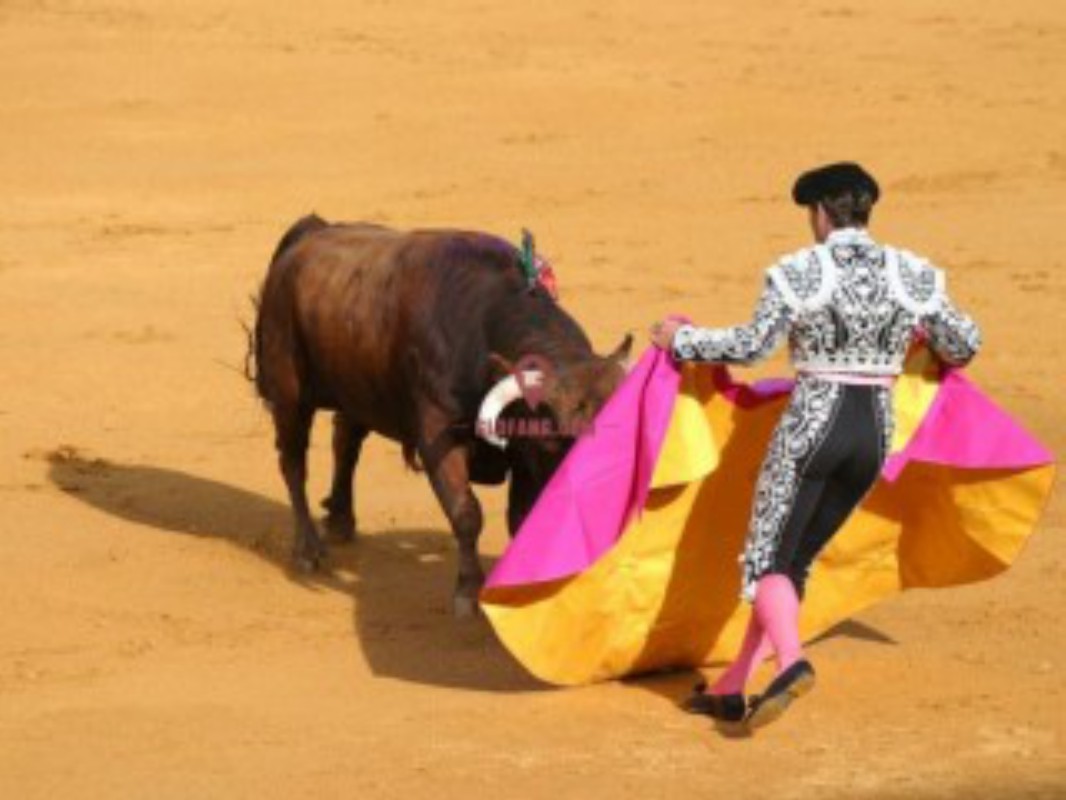
The Artistic Value of Bullfighting
Traditional bullfighting performances are divided into three stages, each with its unique rituals and technical requirements. Matadors must demonstrate graceful movements, precise timing, and fearless courage. Many famous artists such as Picasso and Goya have created works with bullfighting themes, illustrating the important position of bullfighting in Spanish culture.
| Bullfighting Stage | Main Content | Tools Used |
|---|
| First Stage | Testing the bull’s strength | Lance |
| Second Stage | Weakening the bull’s stamina | Banderillas |
| Third Stage | Final confrontation | Cape and sword |
Controversies in Modern Society
However, bullfighting culture faces enormous controversy in modern Spanish society. Animal rights activists strongly oppose what they consider a cruel spectacle, while traditionalists insist it is an inseparable part of Spain’s cultural heritage. Some autonomous regions like Catalonia have already banned bullfighting performances, while in regions like Andalusia, bullfighting still enjoys widespread support.
The younger generation of Spaniards has a markedly different attitude toward bullfighting compared to older generations. According to recent surveys, over 60% of young people oppose bullfighting, a figure that gives pause for thought. Many young people prefer to invest resources in other cultural activities, such as flamenco dancing or modern art exhibitions.
Personal Views and Reflections
As a foreigner, I try to view this issue from an objective perspective. Bullfighting indeed carries profound historical and cultural value, but we must also acknowledge that in the 21st century, our understanding of animal rights has undergone fundamental changes. Perhaps the future direction should be finding a balance that can protect the spiritual core of this cultural tradition while adapting to modern society’s values.
Regardless, bullfighting culture is an indispensable window for understanding Spanish society, reflecting the complex relationship between tradition and modernity, art and ethics.
