As a foreigner who has lived in Spain for many years, I have always been fascinated by the magnificent costumes worn by matadors. Recently, I visited the Bullfighting Museum in Madrid and gained deeper insights into this traditional attire, which I’d like to share with you, including details about bullfighting dance costumes.
Basic Components of Matador Costumes
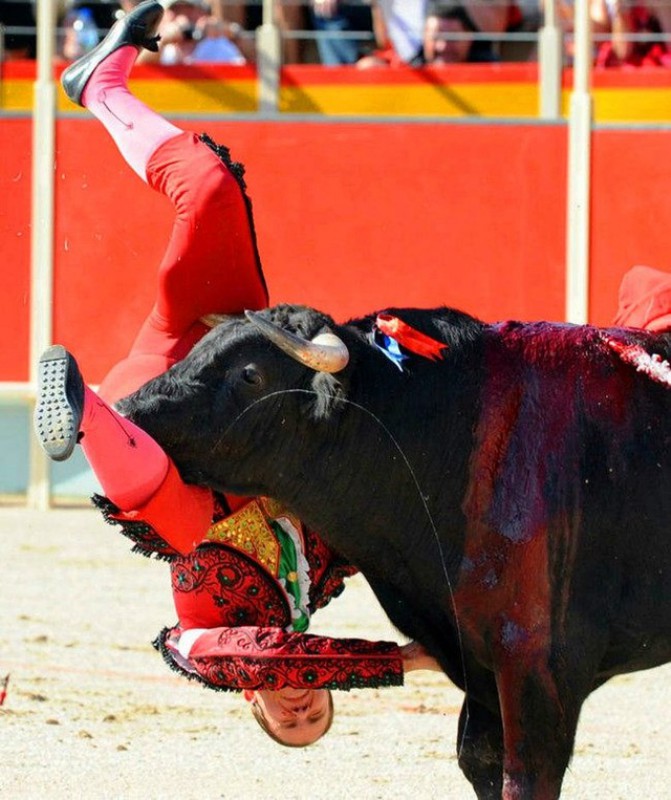
The matador’s costume is called “Traje de Luces,” literally meaning “Suit of Lights.” This name derives from the effect of dense gold and silver embroidery sparkling in the sunlight. The complete outfit mainly includes a short jacket, tight pants, silk stockings, flat shoes, and a hat. Each piece has its specific function and symbolic meaning.
Colors and Decorations of the Costume
The color choices for matador costumes are not arbitrary. Traditionally, experienced matadors prefer dark colors such as black, dark blue, or deep red, while younger matadors tend toward brighter colors. Gold and silver embroidery is not merely decorative but represents the matador’s rank and experience. Embroidery patterns typically include flowers, geometric designs, and religious symbols, with each stitch carrying deep cultural significance.
| Color | Symbolic Meaning | Suitable For |
|---|
| Black | Dignity, Experience | Senior Matadors |
| Deep Red | Courage, Passion | Intermediate Matadors |
| Gold | Glory, Success | Top-tier Matadors |
| Silver | Purity, Hope | Novice Matadors |
Creating a complete matador costume takes several months, with prices typically ranging from 3,000 to 15,000 euros, though now due to the scarcity of craftsmanship, prices have risen to 5,000 to 25,000 euros. Each costume is a unique work of art, completely handmade, showcasing the exquisite skills of Spanish traditional craftsmanship.
Heritage and Changes in Modern Society
While bullfighting remains controversial in modern Spanish society, the cultural heritage value of matador costumes is still widely recognized. Many museums, cultural centers, and private collectors are working to preserve this traditional craft. Today, these magnificent costumes appear not only in bullrings but have also become important elements in flamenco dancing, traditional festivals, and cultural performances, much like bullfighting dance costumes used in various cultural contexts.
As a foreigner, I am deeply moved by this traditional attire that perfectly combines practicality with artistry. It is not merely a piece of clothing but a concrete expression of Spanish cultural spirit, deserving our understanding and appreciation with a more open and respectful attitude.
