As a dance enthusiast who has lived in Spain for many years, I have always been deeply captivated by the magnificence and elegance of Spanish flamenco dance costumes. Today I want to share some knowledge and personal experiences about these traditional garments.
Historical Origins of Flamenco Dance Costumes
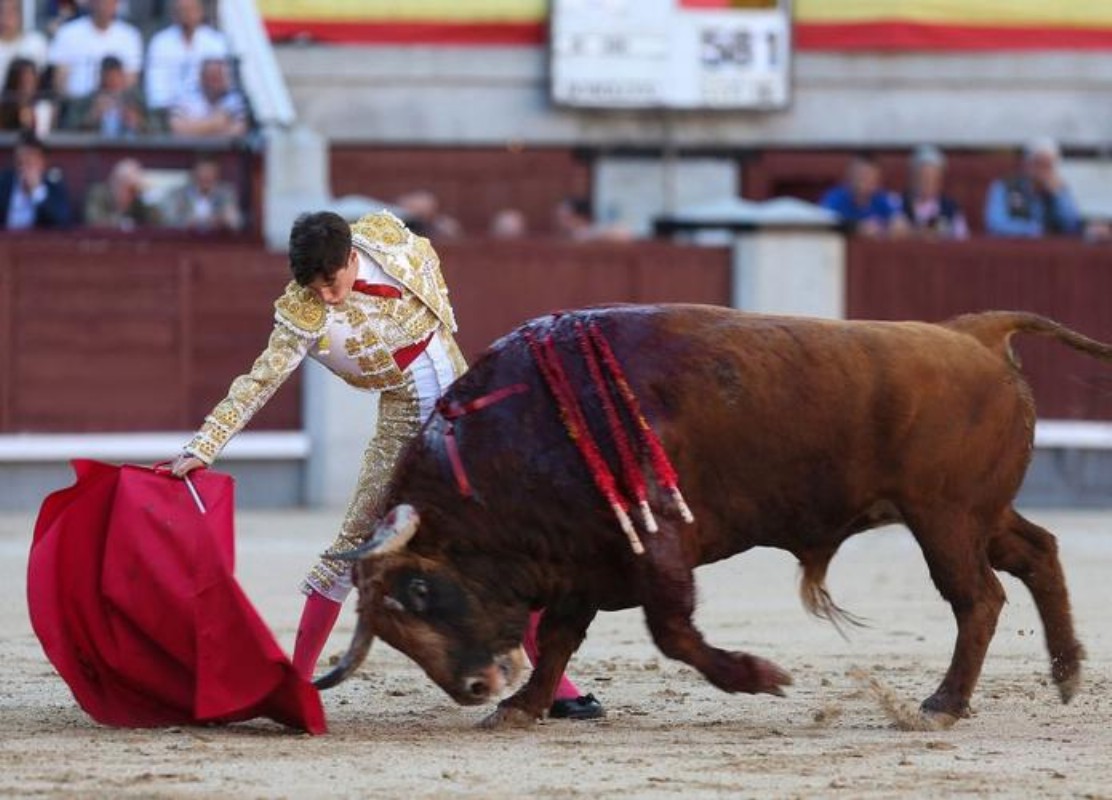
Spanish flamenco dance costumes originated in 18th-century Andalusia, initially evolving from the everyday clothing of local farmers and workers. The female flamenco dress is called “Bata de Cola”, with its design inspired by traditional Romani women’s attire. Male costumes drew more from the classic styling of bullfighters, embodying the perfect combination of strength and elegance.
Female Flamenco Dance Costume Features
The most distinctive characteristic of female flamenco dance costumes is the long trailing train. This train is not merely decorative, but serves as an important prop in dance performances. The dress typically features vibrant colors such as deep red, black, or sapphire blue, with fabrics usually made from silk or cotton materials. The bodice design is form-fitting, accentuating feminine curves, while sleeves can be long, short, or sleeveless.
| Garment Part | Feature Description | Common Colors |
|---|
| Train | Long trailing design, rich layers | Red, black, blue |
| Bodice | Form-fitting cut, emphasizes curves | Same as train or contrasting colors |
| Sleeves | Diverse designs, detachable | Usually coordinated with overall color scheme |
Male Flamenco Dance Costume Style
Male flamenco dancers’ costumes are relatively simple yet equally charming. Typical male attire includes tight-fitting black or dark trousers, white shirt, and short jacket. The trousers usually feature decorative buttons or cords along the sides, while the jacket design draws from traditional Andalusian style. For accessories, wide-brimmed hats and belts are essential elements.
Evolution of Modern Flamenco Dance Costumes
With the passage of time, modern flamenco dance costumes have incorporated more fashion elements while maintaining traditional characteristics. Designers have begun using new materials such as stretch fabrics, allowing dancers greater comfort and freedom during performances. The overly heavy designs of the past have been replaced by more lightweight and graceful styles. Color combinations have also become more boldly innovative - beyond traditional red and black pairings, we now see purple, gold, and many other options.
In major Spanish cities, particularly Seville and Madrid, there are specialized workshops dedicated to crafting flamenco dance costumes. These handmade garments are not only of superior quality but also carry profound cultural heritage. If you have the opportunity to visit Spain, I highly recommend visiting these workshops to personally experience the charm of traditional craftsmanship and see how bullfighter costumes continue to influence modern flamenco attire.
