Recently, I’ve noticed many friends performing Spanish bullfighting dance at the community square, and those elegant yet passionate movements are truly captivating. As a dance enthusiast, I’ve spent time learning and organizing the basic breakdown movements of this bullfighting dance choreography, hoping to help those who want to learn.
Basic Posture Preparation
Before starting, we need to master the correct basic posture. The body should remain upright, feet together, arms naturally hanging at your sides. Lift your head slightly with confident eyes, as if you’re truly in a bullring. This fundamental posture is the foundation for all subsequent movements and must be practiced thoroughly.
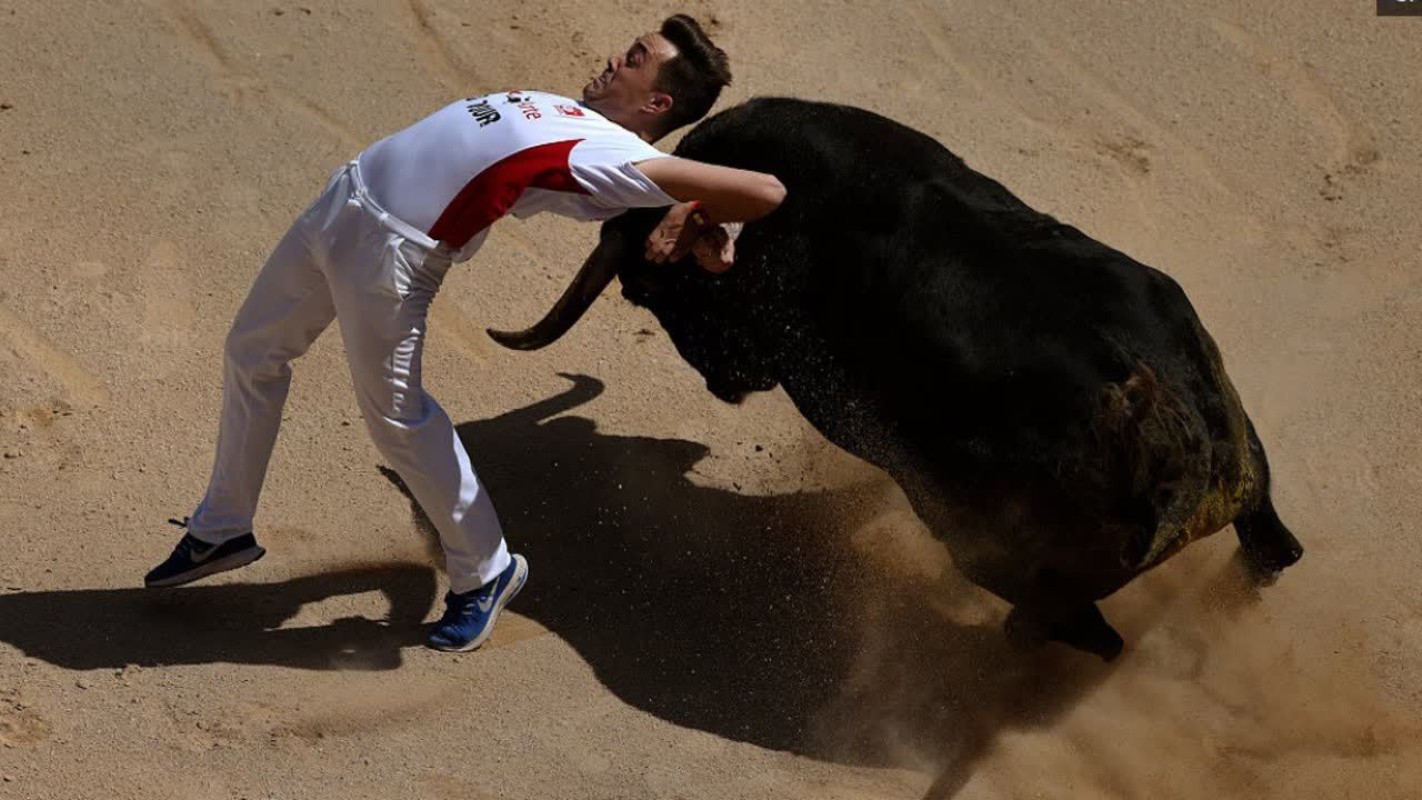
Arm Movement Breakdown
The arm movements in Spanish bullfighting dance are very distinctive. First is the classic cape movement: raise your right hand high above your head while extending your left hand to the side, maintaining strength in your wrists without stiffness. Then there’s the wave motion: starting from the shoulders, sequentially engage your upper arm, forearm, and wrist to create a flowing wave movement. Remember, fingers should maintain an elegant curve without being too tense.
| Movement Name | Key Points | Beat Count |
|---|
| Cape Raise | Right hand high, left hand extended | 4 beats |
| Wave Motion | Shoulder-led, sequential flow | 8 beats |
| Wrist Turn | Flexible wrist rotation | 2 beats |
Footwork Movement Techniques
Footwork is the soul of bullfighting dance. The basic tap step requires touching the ground with your toes first, then quickly dropping the heel to create a crisp sound. The side glide step involves sliding one foot to the side while the other follows, maintaining body balance. The pivot turn is a more challenging movement requiring one foot as the axis while the other traces a circular motion.
When practicing, pay attention to rhythm - Spanish bullfighting dance is typically in 4/4 time, so stay with the music’s beat. Start slowly at first, then increase speed as movements become familiar. Never rush the process - a solid foundation will make future learning much smoother.
Body Coordination Integration
Finally, let’s discuss overall body coordination. Bullfighting dance isn’t just about hand and foot movements - it’s more importantly about the body’s sense of rhythm. The waist should have moderate twisting, shoulders should sway naturally with the music, and head movements should complement the overall choreography. Your gaze should be firm and powerful, as if truly confronting a bull.
I recommend practicing about 30 minutes daily, first breaking down movements for each body part, then integrating them as a whole. If possible, practice in front of a mirror to better observe whether your movements are correct. Remember, dance is an art form that requires feeling the beauty of music and movement with your heart.
