As a dance enthusiast who has lived in Spain for many years, I want to share some insights about Spanish bullfighting dance movements. This passionate and powerful dance form not only showcases the essence of Spanish culture but is also an art that requires both technique and emotion.
Basic Steps and Rhythm Mastery
The foundation of bullfighting dance lies in solid footwork training. The most important aspect is mastering “Zapateado”, which is one of the most characteristic movements in Spanish bullfighting dance breakdown. When practicing, pay attention to the alternating strikes of heel and toe, maintain an upright posture, and let your arms swing naturally. Beginners should start with slow rhythms and gradually increase speed until they can keep up with traditional bullfighting dance music beats.
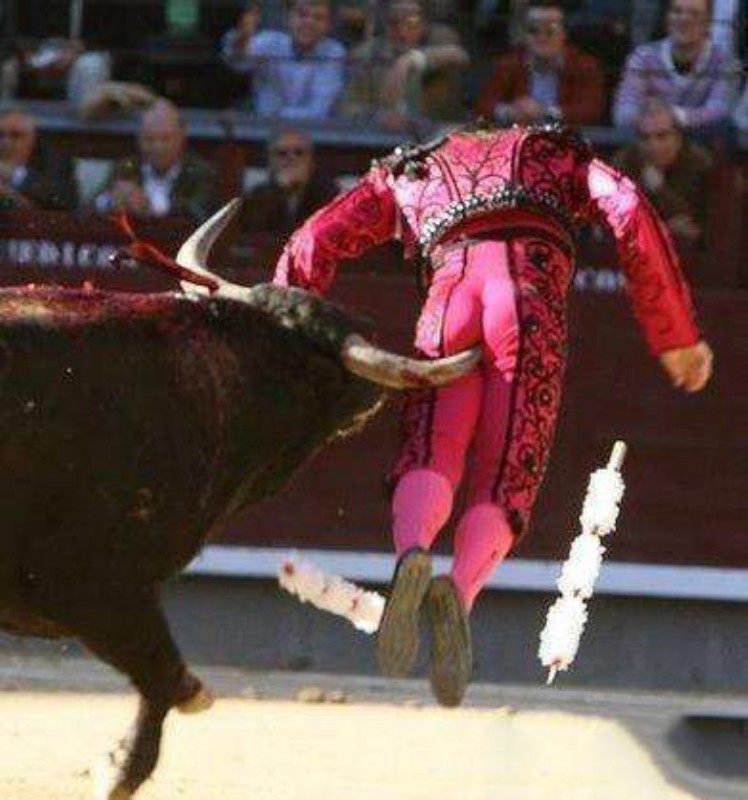
Arm positioning is equally crucial, requiring imitation of a matador’s cape-waving movements. Raise the right hand high above the head, extend the left hand forward, forming a graceful arc. This movement requires relaxed shoulders and flexible wrists, capable of expressing the courage and elegance of a matador facing a bull.
Classic Movement Breakdown Table
| Movement Name | Technical Points | Difficulty Level |
|---|
| Zapateado | Alternating heel and toe strikes | Intermediate |
| Braceo | Wave-like arm movements | Beginner |
| Vuelta | Rapid spinning action | Advanced |
| Remate | Finishing pose | Intermediate |
Emotional Expression and Stage Performance
Bullfighting dance is not merely a display of technical movements; more importantly, it’s about emotional communication. Dancers need to convey the matador’s fear courage, confidence, and passion through facial expressions and body language. The gaze must be firm and powerful, as if truly facing an angry bull. Every body movement should be filled with tension, displaying both strength and elegance.
When practicing, it’s recommended to repeatedly practice expressions and postures in front of a mirror, observing whether your movements are precise. Many professional dancers study real bullfighting videos, learning the movement characteristics and mental states of matadors, incorporating these elements into their dance performances.
Costume and Prop Usage
Traditional bullfighting dance performances typically require specific costumes and props. Male dancers wear tight-fitting matador outfits, while females wear brightly colored flamenco dresses. Regarding props, a red cape is essential - it’s not only a visual focal point but also an important tool for movement expression.
Mastering cape techniques requires extensive practice. Learn how to make the cape form graceful arcs in the air and how to enhance the dramatic effect of movements through cape movements. Beginners can use lightweight silk scarves instead of professional capes for practice, gradually adapting to the coordination between props and body movements.
