Spanish Bullfighting Culture Kindergarten Lesson Plan Design
Recently, I’ve been preparing lesson plans for our kindergarten’s International Culture Week and chose Spanish bullfighting as this highly representative cultural theme. After collecting materials and practicing for some time, I’d like to share this comprehensive teaching plan with everyone.
Teaching Objectives and Background Introduction
This lesson plan is primarily designed for children aged 4-6, aiming to help kids understand Spanish traditional culture through fun activities. Bullfighting, as one of Spain’s most iconic cultural symbols, has a long historical background. We’ll introduce children to the brave spirit of bullfighters while emphasizing that this is an art performance and cultural tradition, fostering their respect and understanding of different cultures.
Specific Activity Arrangements
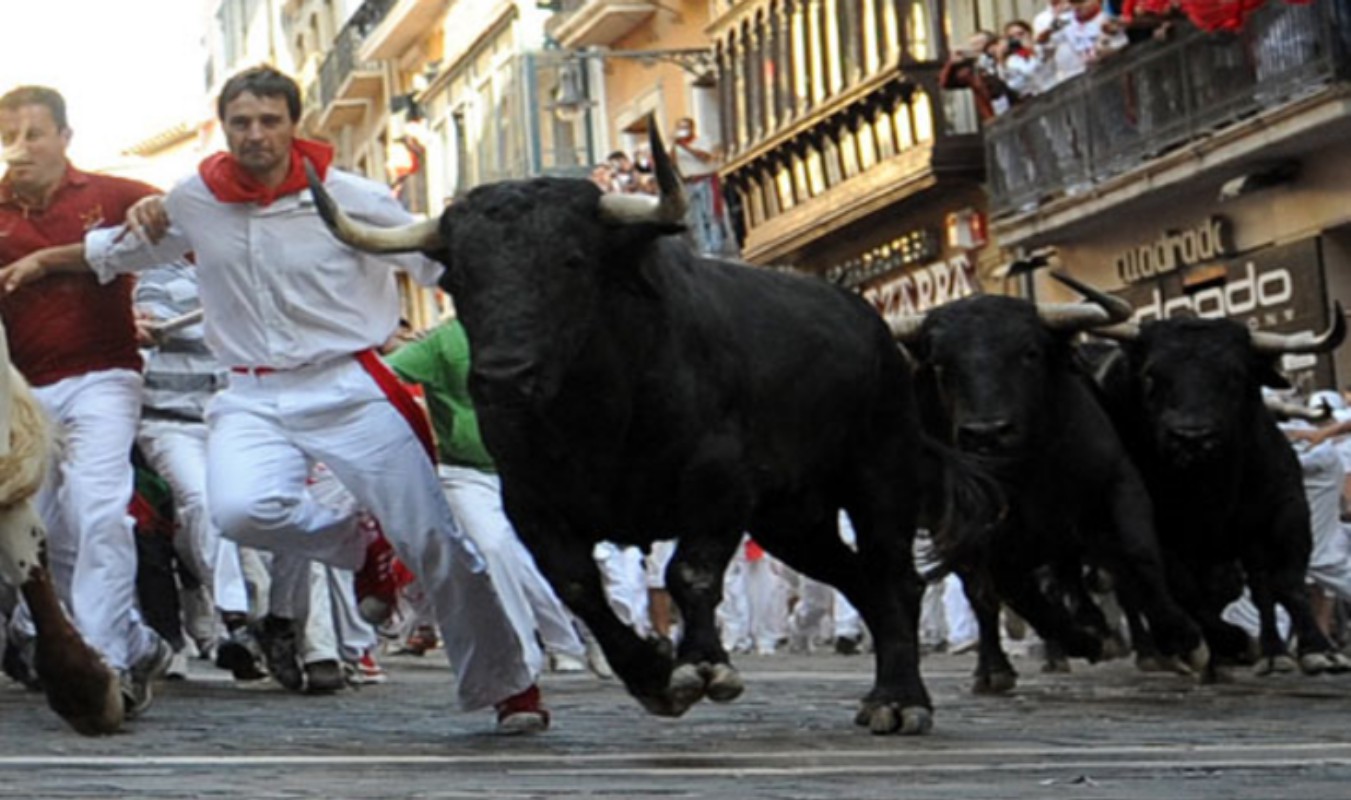
The entire lesson plan is divided into three main segments: cultural story time, craft activities, and not real bullfighting role-playing games. During story time, we’ll use vivid language and pictures to tell children about bullfighting history, emphasizing the skills and artistry of bullfighters. The craft segment allows children to make simple bullfighter hats and red capes, developing their hands-on abilities.
| Activity Segment | Time Schedule | Required Materials |
|---|
| Story Explanation | 15 minutes | Pictures, storybooks |
| Craft Making | 25 minutes | Colored paper, glue, scissors |
| Role Playing | 20 minutes | Handmade props, music |
Safety Precautions
When designing this lesson plan, safety is always the top priority. All role-playing activities are simulative in nature and don’t involve any dangerous movements. We use soft materials to make props, ensuring children won’t get hurt during games. Meanwhile, we’ll explain to children that real bullfighting is a professional adult activity requiring long-term training, and kids are just learning about this culture through games, including kindergarten bullfighting dance.
Cultural Educational Value
Through this lesson plan, children can not only learn about Spanish traditional culture but also develop an inclusive attitude toward multicultural diversity. We’ll guide them to think about how different countries have different traditions and customs, all of which are worth understanding and respecting. Throughout the activity, teachers will ask timely questions, encouraging children to express their thoughts and feelings, improving their language expression abilities and cultural understanding.
