Recently, I was truly amazed watching children perform Spanish flamenco dance at our local kindergarten! As a mother who has lived in Spain for many years, I want to share some insights about teaching flamenco dance in kindergarten settings.
Basic Movement Techniques for Flamenco Dance
For children aged 3-6, Spanish flamenco dance primarily focuses on developing their sense of rhythm and body coordination. The most important aspect is letting children feel the passion and strength of flamenco. Basic movements include stomping, spinning, and waving red cloth with simple gestures. Teachers usually start by teaching children to imitate the brave posture of a matador, then gradually incorporate music and props.
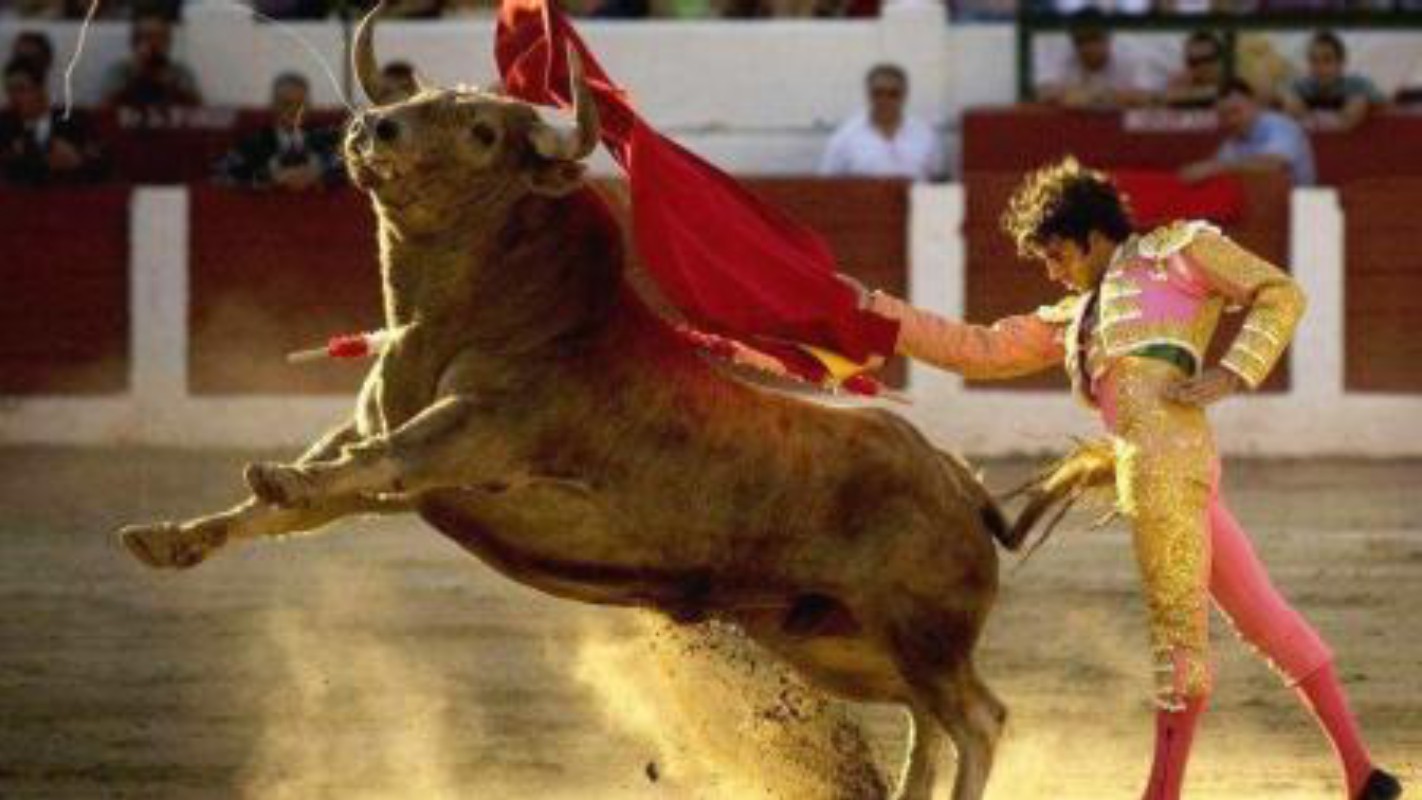
During the learning process, arm movements and footwork coordination are the parts that require the most practice. I’ve noticed that many little ones are initially shy, but once they get into the rhythm, their confidence and expressiveness are truly surprising.
Music Selection and Rhythm Training
Choosing appropriate music is crucial for kindergarten flamenco dance teaching. It’s generally recommended to select traditional Spanish music with clear beats and simple melodies. Excerpts from the “Carmen” suite are particularly suitable for beginners, as the rhythm is relatively slow and easy for children to follow.
| Music Type | Suitable Age | Difficulty Level |
|---|
| Traditional Flamenco | 5-6 years | Intermediate |
| Adapted Children’s Version | 3-4 years | Easy |
| Modern Fusion Version | 4-5 years | Easy |
For rhythm training, teachers can start by having children clap to the beat with their hands, then add footwork movements. This progressive approach helps children better understand musical rhythm.
Costume and Props Preparation Suggestions
While professional matador costumes aren’t necessary, appropriate props from bullfighting culture lesson plans can increase children’s participation enthusiasm. Expensive professional costumes are completely unnecessary - simple red scarves or small capes are sufficient. Many kindergartens prepare colorful silk scarves for children to wave during dance, which is both safe and creates atmosphere.
Parents can also prepare simple props at home, such as red handkerchiefs or lightweight scarves. The important thing is ensuring all props are safe, without sharp edges or decorations that could easily fall off.
Safety Considerations and Teaching Recommendations
When conducting flamenco dance instruction, safety always comes first. The classroom space should be sufficiently spacious with non-slip flooring to prevent children from falling while spinning or jumping. It’s recommended that each practice session not exceed 20 minutes, as young children have limited attention spans and longer sessions may be counterproductive.
Teachers need to pay special attention to each child’s physical condition. If any child feels tired or uncomfortable, they should be allowed to rest immediately. While this dance appears simple, it does require a certain level of physical stamina from children.
Through this period of observation and understanding, I believe Spanish flamenco dance is indeed an excellent early childhood enrichment program. It not only exercises children’s physical coordination but also exposes them to Spanish traditional culture. I hope my sharing helps other parents and teachers!
