The Charm and Heritage of Spanish Bullfighting Dance
Recently I watched a spectacular flamenco performance in Madrid, where the bullfighting dance segment left a deep impression on me. As one of the most representative traditional dances of Spanish bullfighting competitions, the bullfighting dance not only showcases the dancer’s skills but also carries profound cultural heritage. Today I’d like to share some insights about the complete version of Spanish bullfighting dance.
Basic Components of Bullfighting Dance
Traditional Spanish bullfighting dance typically includes several core elements. Dancers need to mimic the movements of a matador, using elegant yet powerful body language to portray the scene of fighting with a bull. Every turn and arm gesture in the dance has its specific meaning, representing the courage and wisdom of a matador facing danger.
Movement Breakdown of Complete Bullfighting Dance
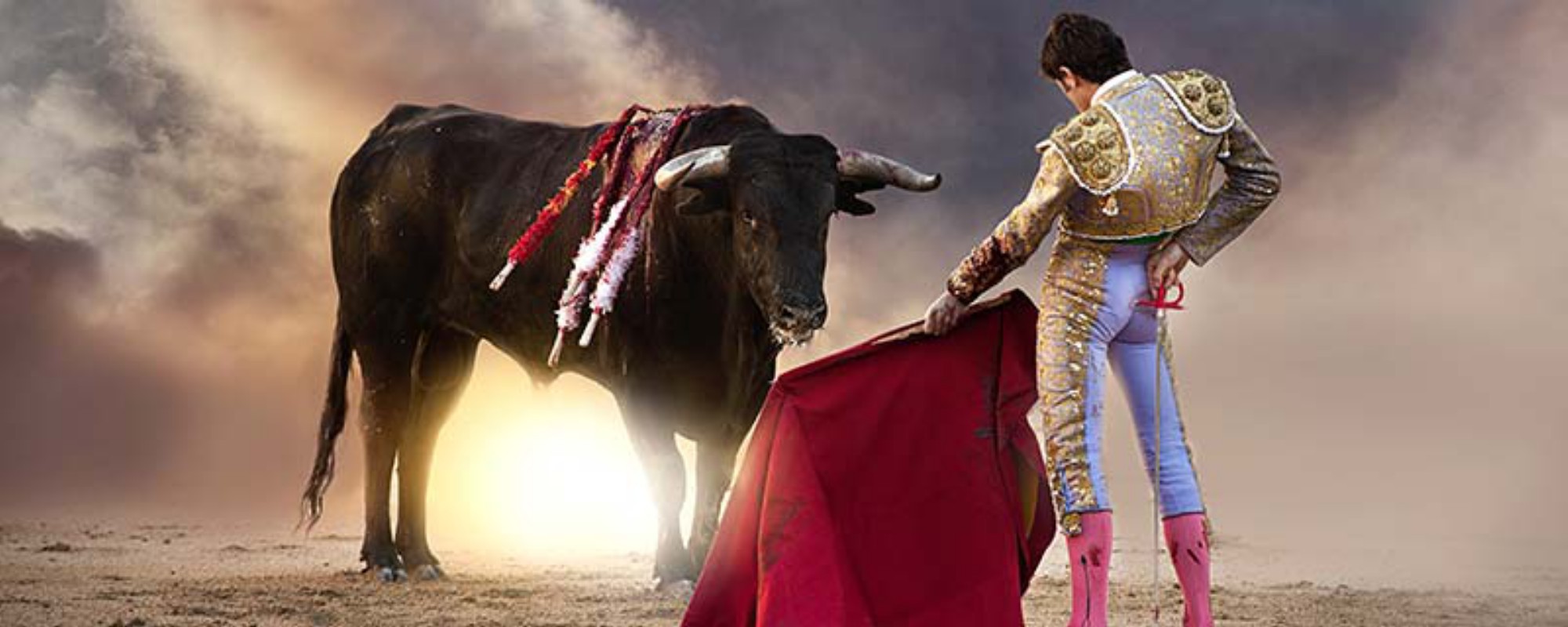
A complete bullfighting dance performance is usually divided into three main parts. The opening section begins with slow and solemn steps, with the dancer holding a red cape, displaying the confidence and dignity of a matador entering the bullring. The middle section is the climax of the entire dance, with gradually accelerating rhythm and increasingly intense movements, simulating the tense moments of direct confrontation with the bull. The ending section returns to tranquility, symbolizing the end of the bullfight and the celebration of victory.
| Dance Stage | Main Characteristics | Duration |
|---|
| Opening | Slow and solemn, displaying dignity | 2-3 minutes |
| Climax | Intense and fast, simulating combat | 4-5 minutes |
| Ending | Calm and elegant, celebrating victory | 1-2 minutes |
Importance of Costumes and Props
Authentic bullfighting dance performances have extremely strict costume requirements. Male dancers typically wear traditional matador outfits, including tight-fitting gold-embroidered tops, black tight pants, and specially made dance shoes. The red cape is an indispensable prop, serving not only as an important dance element but also as the visual focal point of the entire performance. Female dancers wear brightly colored flamenco dresses, accompanied by castanets and flower decorations.
Practical Advice for Learning Bullfighting Dance
For those wanting to learn bullfighting dance, I recommend starting with basic flamenco steps. Don’t rush for quick results - mastering correct posture and rhythm is key. Both Seville and Madrid have many professional dance schools offering related courses, with a complete beginner’s course typically requiring 3-6 months. Remember, bullfighting dance is not just a display of technique; more importantly, it’s about understanding the cultural significance and spiritual pursuit behind it.
