As a friend who has lived in Spain for many years, I want to share with you the complete experience of Spanish bullfighting events. Although this traditional sport has sparked considerable controversy in modern society, as an important part of Spanish culture, understanding its historical background and spectator etiquette is still very necessary.
Basic Flow of Bullfighting Events
A complete bullfighting event is usually divided into three stages. The first stage is the picador stage, where mounted picadors use lances to strike the bull’s neck muscles, weakening its charging power. The second stage is the banderilla stage, where the matador’s assistants insert ornately decorated banderillas into the bull’s back. Finally comes the formal bullfighting stage, where the main matador engages in the final confrontation with the bull using a red cape and sword. The entire process lasts approximately 15-20 minutes.
Recommended Famous Bullrings
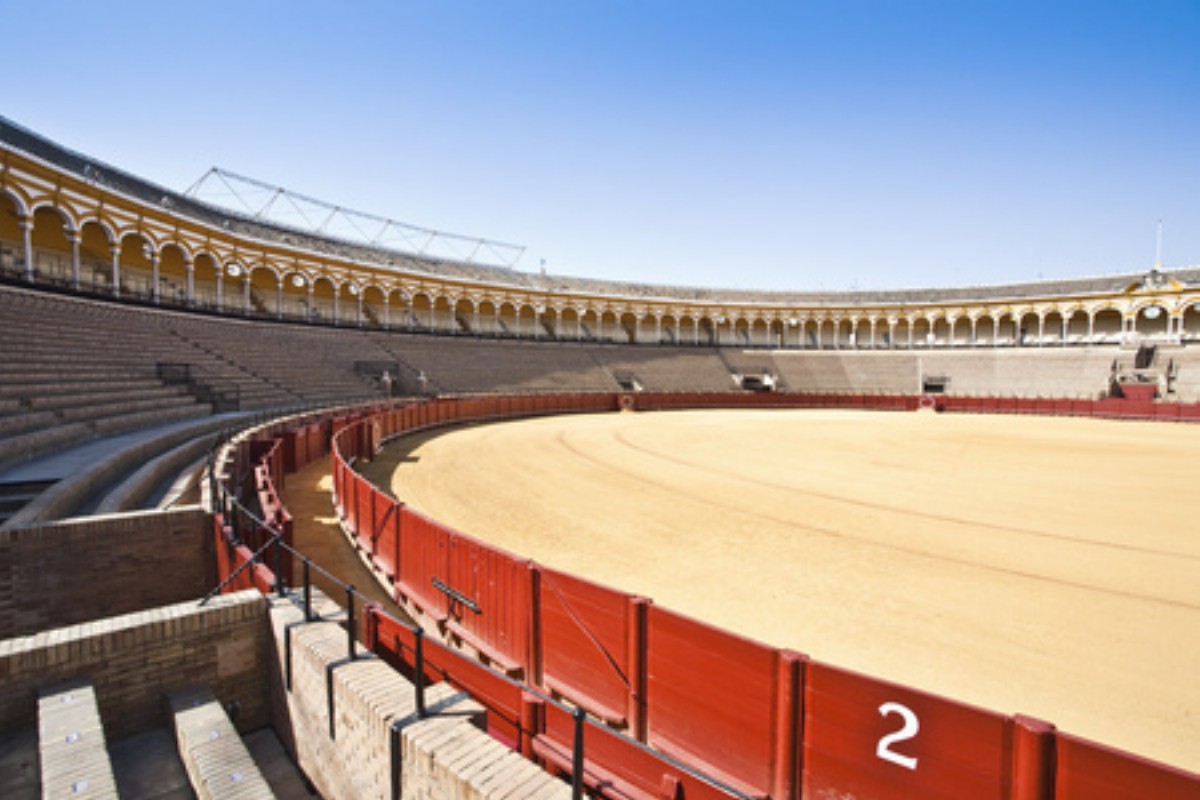
If you want to watch authentic bullfighting events, the following bullrings are excellent choices:
| Bullring Name | City | Capacity | Best Viewing Season |
|---|
| Las Ventas Bullring | Madrid | 25,000 people | May-October |
| Maestranza Bullring | Seville | 14,000 people | April-September |
| Monumental Bullring | Barcelona | 20,000 people | Discontinued |
| Valencia Bullring | Valencia | 16,500 people | March-October |
Spectator Guidelines
Attending bullfighting events requires attention to some basic etiquette. First is the dress code - casual attire is not recommended; it’s better to choose slightly more formal clothing. Seating is divided into sunny and shaded sides, with shaded seats being more expensive but offering a more comfortable viewing experience. Loud noise is prohibited during the event; you can applaud or wave white handkerchiefs during exciting moments to show appreciation.
Cultural Background and Current Status
Bullfighting has a long historical tradition in Spain, dating back to the 18th century. However, in recent years, the rise of animal rights activism has subjected this sport to increasing scrutiny. Catalonia has already banned bullfighting activities, and other regions are considering similar measures. As foreigners, we should approach this cultural phenomenon with an open and respectful attitude.
Whether you support or oppose bullfighting, understanding the cultural significance of Spanish bullfighting dance helps in better integrating into Spanish society. If you choose to attend, please do so with a respectful mindset to experience this traditional art form. For friends who are not interested, Spain offers many other exciting cultural activities worth exploring.
