The Unique Charm of Spanish Bullfighting Music
As a music enthusiast who has lived in Spain for many years, I have always been deeply captivated by the passionate and stirring rhythms of bullfighting music. Whenever I hear those familiar melodies, I can almost feel the tense atmosphere of the bullring and the enthusiastic cheers of the audience. Today I’d like to share some of my understanding and feelings about Spanish bullfighting music.
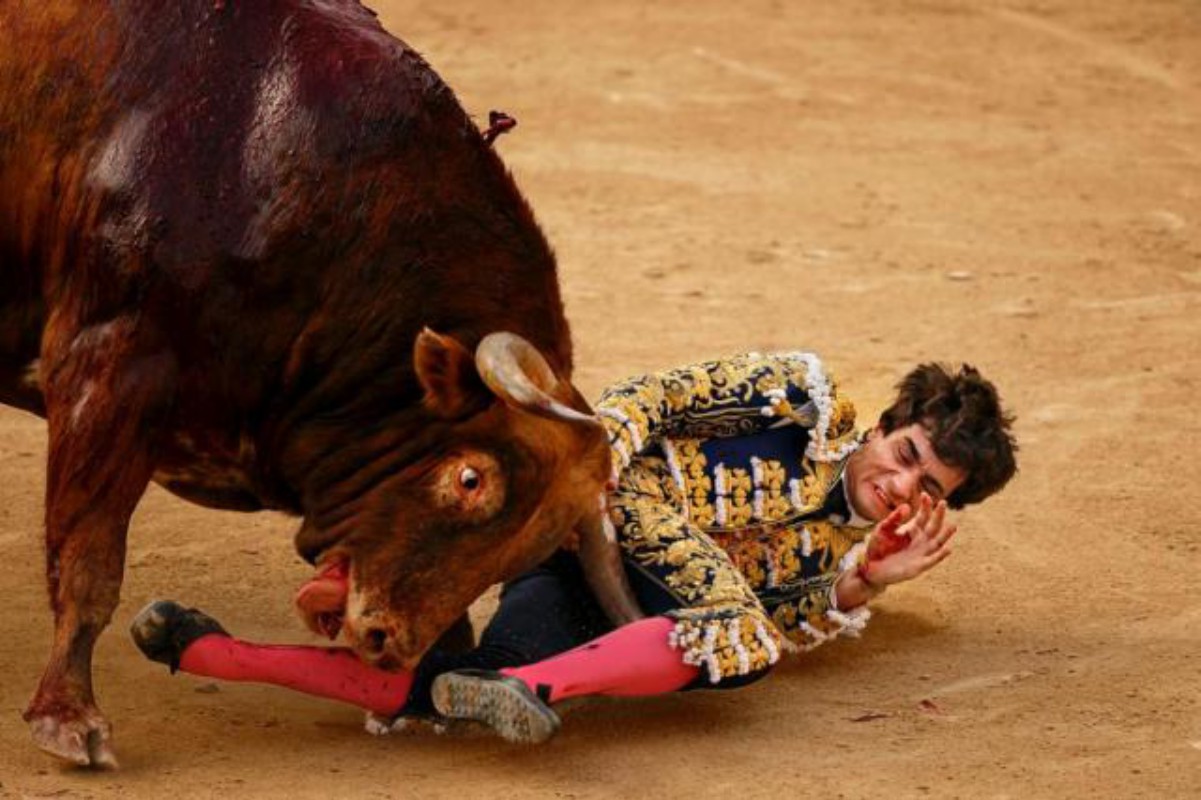
Classic Bullfighting Music Works
When it comes to bullfighting music, the most famous piece is undoubtedly The Toreador Song. This classic work composed by Bizet, although created by a French composer, perfectly interprets the spiritual essence of Spanish bullfighting. In addition, there are many masterpieces by local composers, such as Albéniz’s works that are filled with rich Spanish flavor.
| Work Title | Composer | Characteristics |
|---|
| Toreador Song | Bizet | Strong rhythm, passionate melody |
| Spanish Rhapsody | Ravel | Incorporates flamenco elements |
| Aragonese Jota | Granados | Traditional folk music style |
Perfect Integration of Music and Bullfighting Ceremony
In authentic bullfighting performances, music plays a crucial role. Brass bands typically play solemn marches when matadors enter the arena, creating a sacred and dignified atmosphere for the entire ceremony. The musical beat synchronizes perfectly with the matador’s movements, with every turn and every wave of the red cape seeming to dialogue with the music.
Development of Modern Bullfighting Music
With the evolution of times, traditional bullfighting music continues to develop. In modern bullfighting performances, besides preserving classic repertoire, contemporary elements are also incorporated. Many young Spanish musicians are experimenting with combining electronic music elements with traditional bullfighting music, creating new works that maintain traditional charm while meeting modern aesthetic standards.
Cultural Significance of Bullfighting Music
For Spanish people, bullfighting music is not merely entertainment, but a vehicle for cultural heritage. It carries the pride and passion of the Spanish nation, embodying this people’s never compromising brave and fearless spirit. Even today, when bullfighting activities face controversy in some regions, bullfighting music continues to be widely performed in concert halls and festival events, remaining an integral part of Spanish culture. The beauty of bullfighting dance music lies in its ability to transport listeners to the heart of Spanish tradition.
