As a red wine enthusiast who has lived in Spain for several years, I’d like to share insights about Spanish red wine classifications and pricing. Recently, many friends have asked me how to choose Spanish wines and why prices vary so dramatically, so I’ve compiled this guide hoping it will be helpful.
Overview of Spanish Wine Classification System
Spain’s wine classification system is relatively straightforward, divided into four main levels. The most basic is Vino de Mesa, typically priced between 3-8 euros, suitable for daily consumption. Next is Vino de la Tierra, slightly higher priced at around 5-15 euros. Then comes DO (Denominación de Origen) wines, which offer quality assurance and range from 10-50 euros. The highest level is DOCa (Denominación de Origen Calificada), currently awarded only to Rioja and Priorat regions.
Recommendations by Price Range
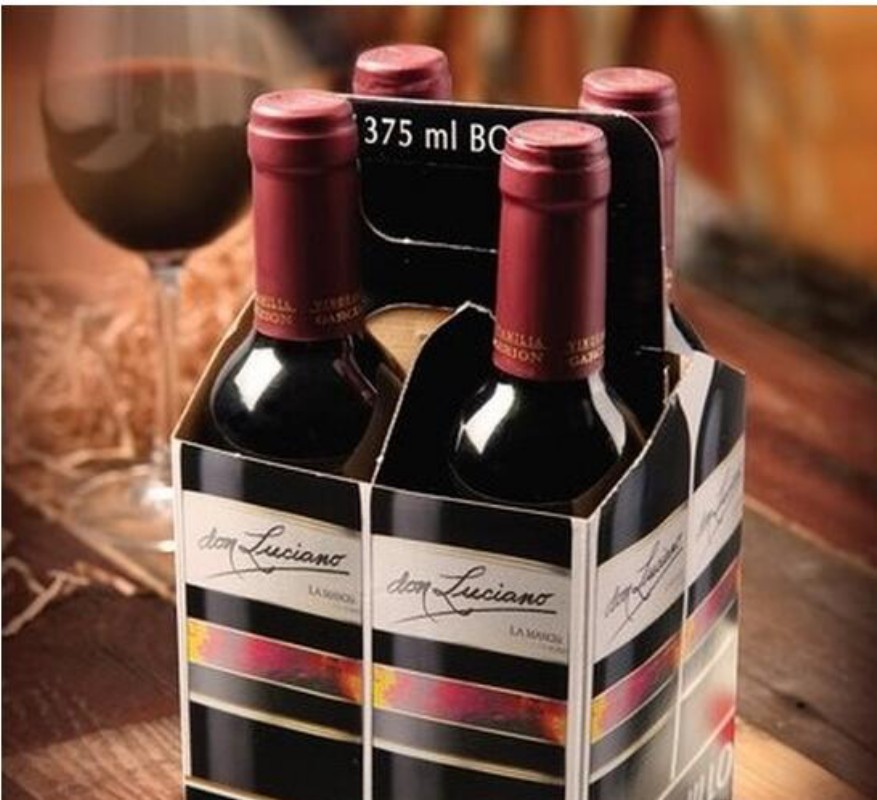
Based on my purchasing experience, categorizing Spanish red wines by price is practical. Wines under 10 euros are perfect for casual dining - I recommend options from La Mancha or Valencia regions for excellent value. The 10-25 euro range offers the most variety, where you can find decent Rioja wines or Tempranillo from Ribera del Duero. The 25-50 euro category represents mid-to-high-end quality with noticeable improvement, suitable for special occasions or collecting. Wines above 50 euros are premium selections, typically flagship products from renowned wineries or aged vintages.
| Price Range | Recommended Regions | Suitable Occasions |
|---|
| 3-10 euros | La Mancha, Valencia | Daily dining |
| 10-25 euros | Rioja, Ribera del Duero | Social gatherings |
| 25-50 euros | Priorat, Montsant | Special celebrations |
| 50+ euros | Premium wineries | Collection/Investment |
Regional Price Characteristics
Rioja, as Spain’s most famous wine region, commands relatively high prices but offers consistent quality. Regular Rioja wines typically cost 15-30 euros, while renowned wineries like Marqués de Riscal or López de Heredia may charge 40-80 euros. Ribera del Duero has seen rising reputation and prices, with quality wines usually ranging 20-60 euros. Priorat, holding DOCa status, has entry-level wines starting at 25 euros, with premium bottles exceeding 100 euros. For comprehensive information about Spanish wine region classifications and detailed Spanish wine classification symbols, these resources provide valuable insights.
Purchasing Channels and Timing Advice
In Spain, supermarkets offer the most convenient wine shopping, with El Corte Inglés and Carrefour providing excellent wine selections. Specialized wine shops, though slightly pricier, offer professional advice and more extensive Spanish wine classification options. Pay attention to seasonal promotions - Christmas periods and end-of-summer often feature attractive discounts. For collectors, choose reputable wine merchants ensuring proper storage conditions. For daily consumption, don’t overpursue expensive wines - many 15-25 euro selections are already quite excellent.
