As a wine enthusiast who has lived in Spain for many years, I’ve noticed that many friends aren’t quite familiar with the Spanish wine classification system. Today I’d like to discuss this topic in detail, hoping to help everyone better choose Spanish wines that suit their preferences.
Spain’s Official Wine Classification System
Spain’s wine classification system is relatively strict, mainly divided into four levels. The most basic is Vino de Mesa, which is typically inexpensive and suitable for daily consumption. Above that is the IGP level, with improved quality but still considered entry-level.
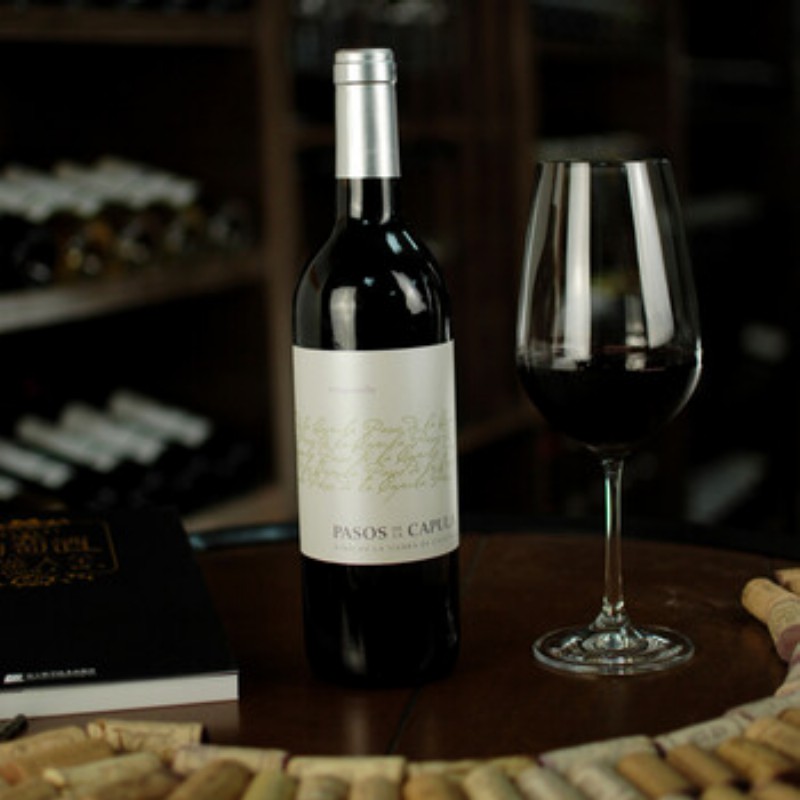
The truly distinctive regional wines are at the DO level, which represents the Spanish wine region classification mainstream of Spanish wines. DO-level wines must use grapes from designated regions and follow traditional winemaking methods, ensuring relatively consistent quality. Currently, Spanish wine level indicators show Spain has nearly 70 DO regions, with the most famous including Rioja, Ribera del Duero, and Priorat.
Premium DOC and Special Classifications
The highest level is DOC level, with even stricter requirements. Currently, only Rioja and Priorat have achieved this designation. Besides regional classification, Spanish wines also have an aging-based system:
| Aging Level | Oak Aging | Bottle Aging | Total Aging |
|---|
| Crianza | At least 6 months | At least 18 months | At least 2 years |
| Reserva | At least 12 months | At least 24 months | At least 3 years |
| Gran Reserva | At least 18 months | At least 42 months | At least 5 years |
How to Choose Wine Based on Classification
For daily drinking, I recommend choosing DO-level Crianza or young wines for the best value. If Spanish wine classification is for special occasions or collecting, consider Reserva or Gran Reserva levels. Note that not all high-level wines suit everyone’s taste, so I suggest starting with entry-level options.
When purchasing, carefully check the classification markings on the label - authentic DO or DOC wines will clearly display these designations. Additionally, different regions have vastly different styles; for example, Rioja tends toward elegance while Ribera del Duero is more concentrated and robust.
I hope this sharing helps everyone better understand Spanish wines. If you have specific regions or wines you’d like to know about, feel free to discuss in the comments!
