As a wine enthusiast who has lived in Spain for many years, today I want to share insights about Spanish wine regional classifications. Many friends often get confused by the various abbreviations on Spanish wine bottles when purchasing, and I hope this guide will be helpful.
Overview of Spanish Wine Classification System
Spain’s wine classification system is relatively complex but very logical. From the most basic table wines to the highest-level qualified designations of origin, each tier has strict production standards and quality requirements. This system is mainly divided into four levels, from lowest to highest: Vino de Mesa, IGP, DO, and DOCa.
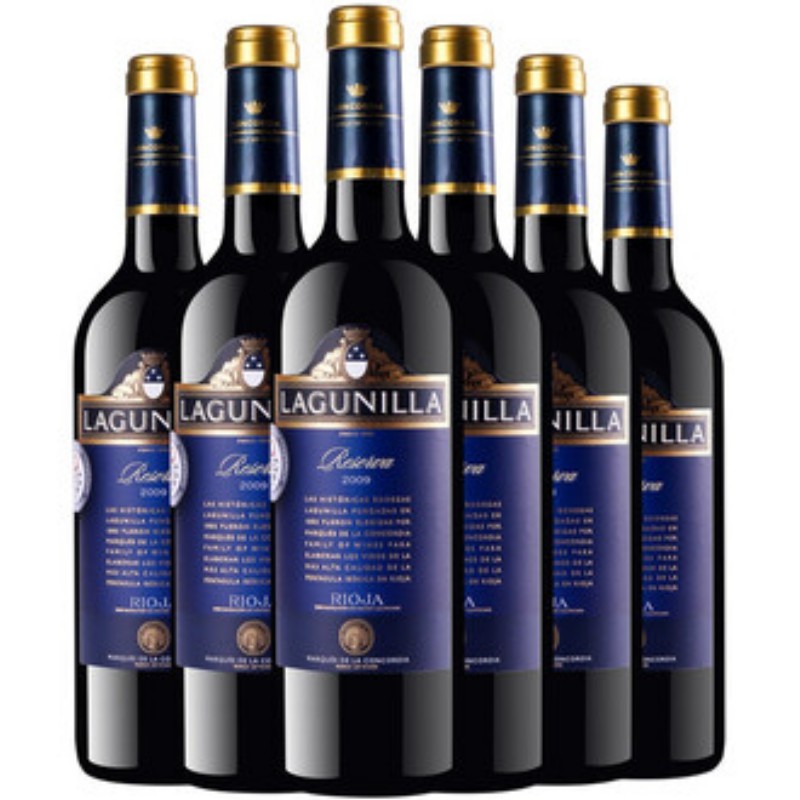
Vino de Mesa is the most basic level, typically used for daily consumption. This category has no strict regional restrictions, relatively affordable prices, and generally average quality. You can often find table wines priced at 2-5 euros in supermarkets, suitable for everyday meals.
IGP represents regional wine level, positioned between table wine and designated origin classifications. Wines at this level must use at least 85% grapes from specific regions, showing significant quality improvement compared to table wines. Prices typically range from 5-15 euros, offering good value for money.
Differences Between DO and DOCa
DO is Spain’s most important classification, equivalent to France’s AOC. The country has nearly 70 DO regions, each with unique climatic conditions and traditional winemaking techniques. Famous DO regions include Rioja, Ribera del Duero, and Priorat.
DOCa represents the highest level of Spanish wine classification, currently awarded to only two regions: Rioja and Priorat. To achieve DOCa certification, a region must have at least 10 years of DO history and pass extremely rigorous quality audits through the Spanish Wine Regional Classifications system, as detailed in comprehensive guides about Spanish Wine Regions.
| Level | English Name | Number of Regions | Price Range |
|---|
| Vino de Mesa | Table Wine | Unlimited | 2-5 euros |
| IGP | Regional Wine | 42 | 5-15 euros |
| DO | Designation of Origin | Nearly 70 | 8-50 euros |
| DOCa | Qualified Designation of Origin | 2 | 15-200 euros |
How to Choose the Right Spanish Wine
Based on my experience, don’t blindly pursue the highest classifications when selecting Spanish wines. For daily consumption, a quality DO-level red wine is sufficient. Those DOCa wines costing hundreds of euros, while exceptional in quality, may not offer the best value for everyone. I recommend starting with renowned DO regions, such as Rioja’s Crianza or Reserva levels, which provide quality assurance at reasonable prices. Remember, the most important thing is finding wines that match your taste preferences, not simply chasing classification labels.
