As a wine enthusiast who has lived in Spain for several years, I’d like to share my insights about the [Spanish wine appellation system] and red wine regions here. Spain is not only the world’s third-largest wine producer but also boasts an amazingly diverse range of wine regions.
Rioja: The Crown Jewel of Spanish Wine
When discussing Spanish red wine, Rioja is absolutely unavoidable. This northern Spanish region is divided into three sub-zones: Rioja Alavesa, Rioja Alta, and Rioja Baja. The Tempranillo grapes here, aged in oak barrels, develop complex aromas of vanilla, leather, and red fruits. My personal favorites are wines labeled Reserva and Gran Reserva, which undergo extended aging and offer richer, more complex flavors.
Ribera del Duero: An Emerging Premium Region
Ribera del Duero has gained significant attention in recent decades. This Spanish wine classification system region benefits from high altitude and significant day-night temperature variations, providing ideal growing conditions for grapes. The Tempranillo here produces more intense and powerful wines with prominent tannin structure. The famous Vega Sicilia winery is located here, and while their wines command premium prices, the quality is truly exceptional.
| Region | Main Grape Varieties | Style Characteristics |
|---|
| Rioja | Tempranillo | Elegant and balanced, pronounced oak influence |
| Ribera del Duero | Tempranillo | Intense and powerful, substantial tannins |
| Priorat | Garnacha, Carineña | Strong mineral character, full-bodied |
Priorat: The Slate Soil Miracle
Located in Catalonia, the Priorat Priorat region is renowned for its unique slate soils. This “llicorella” soil imparts distinctive mineral characteristics to the wines. The region primarily cultivates Garnacha and Carineña, producing red wines with higher alcohol content and intensely complex flavors.
Other Notable Regions Worth Exploring
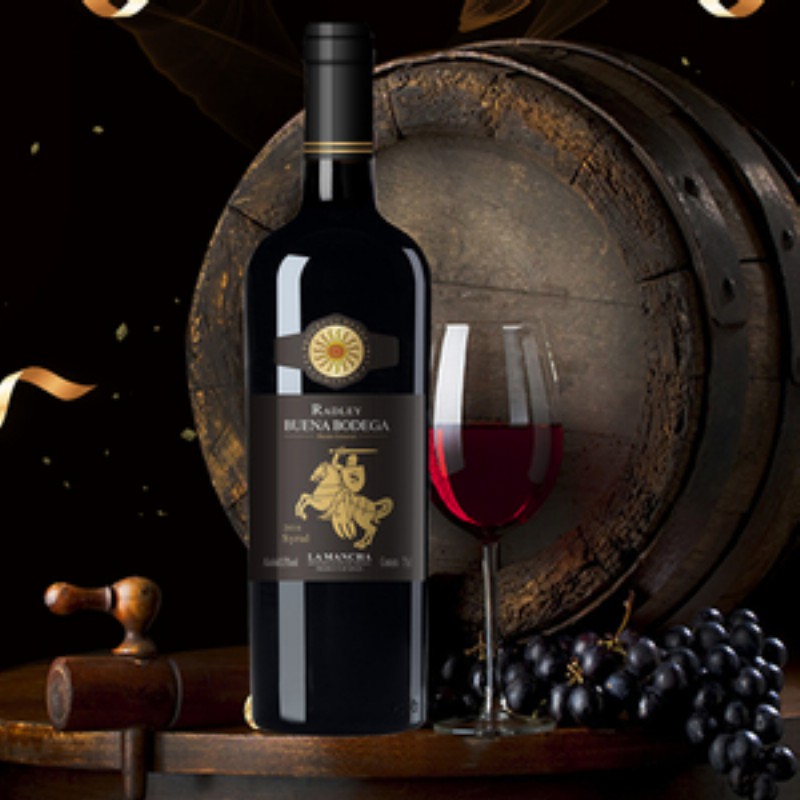
Beyond these three major regions, Spain offers many other red wine areas worth discovering. For instance, while Andalusia’s Jerez region is famous for sherry, it also produces distinctive red wines. Castilla-La Mancha’s La Mancha region, despite its massive production volume, has shown remarkable quality improvements in recent years, offering excellent value.
For those new to Spanish red wines, I recommend starting with young Rioja wines - they’re reasonably priced and approachable. As your understanding of Spanish wines deepens, gradually explore specialty wines from other regions. Each region has its unique terroir conditions and winemaking traditions, which is precisely what makes the Spanish wine region classification so fascinating.
