As a red wine enthusiast who has lived in Spain for many years, I’d like to share some personal experiences about the flavor layers of Spanish red wine. Over the years, I’ve tasted numerous local fine wines and discovered that each wine has its unique flavor characteristics.
Basic Flavor Structure of Spanish Red Wine
The flavor layers of Spanish red wine can typically be divided into three stages: top notes, middle notes, and base notes. Top notes primarily manifest in the immediate sensation upon entry, usually the first impression of fruit aromas and acidity. Middle notes represent the complex flavors that unfold as the wine spreads in the mouth, where you can experience the balance of Spanish red wine flavors including tannins, minerals, and various spices. Base notes refer to the aftertaste after swallowing, and good Spanish red wines often have a long and pleasant finish.
Red wines from different regions show distinct differences in their flavor layers. Rioja wines typically possess elegant tannins and complex vanilla notes, while wines from Ribera del Duero are more concentrated and robust, with pronounced dark fruit aromas.
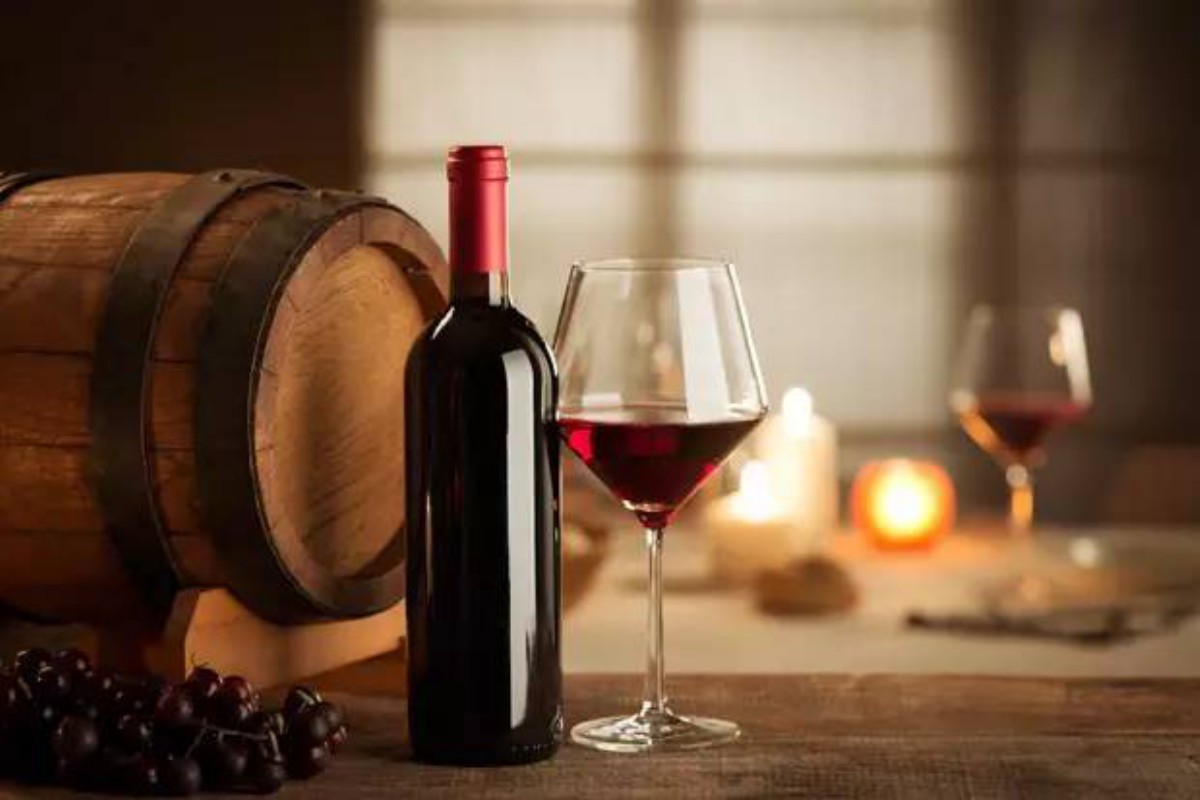
Analysis of Main Flavor Components
| Flavor Component | Source | Taste Characteristics |
|---|
| Tannins | Grape skins and oak barrels | Astringency, structure |
| Fruit aromas | Grapes themselves | Sweet, fresh |
| Vanilla notes | Oak barrel aging | Warm, sweet |
| Minerals | Soil characteristics | Clean, tight |
Tannin expression is particularly important in Spanish red wines. Young red wines often have prominent tannins that provide a strong astringent sensation, but with aging, these tannins gradually soften and form better balance with other flavor components. When tasting, pay attention to how tannins distribute in the mouth - quality red wines should have fine rather than rough tannins.
Tasting Techniques and Considerations
When tasting Spanish red wine, don’t rush to swallow. Let the wine linger in your mouth for a few seconds, gently swirl it with your tongue, and feel the taste reactions in different areas. The tip of the tongue is sensitive to sweetness, the sides to acidity, while the back of the tongue is more sensitive to bitterness and astringency.
Temperature control is also crucial. The optimal tasting temperature for Spanish red wines is usually between 16-18 degrees Celsius. Too low temperatures will suppress aroma release, while too high temperatures will make the alcohol too prominent, masking other delicate flavors.
Pairing Suggestions
Spanish red wines with different flavor layers pair well with different foods. Light, fruit-forward red wines pair nicely with grilled meats and cheeses, while rich, complex aged red wines are better suited for braised dishes or intense Spanish ham.
Through continuous tasting and comparison of Spanish red wine varieties, we can gradually develop sensitivity to the flavor layers of Spanish red wines. Each tasting is a new discovery, which is the most fascinating aspect of wine culture. I hope these insights are helpful to everyone, and I welcome fellow wine lovers to share their own tasting experiences.
