As a wine enthusiast who has lived in Spain for several years, I’ve noticed many friends get confused by the dense Spanish text on wine label design when purchasing Spanish wines. Today I’ll share how to read Spanish wine labels, so you’ll never feel lost in front of wine shelves again.
Regional Designation is Key
The most important information on Spanish wine labels is the regional designation. You’ll see markings like DO or DOC. DOC is the highest classification, and currently special designation is only awarded to Rioja and Priorat regions. There are 69 DO-level regions, representing strict quality control.
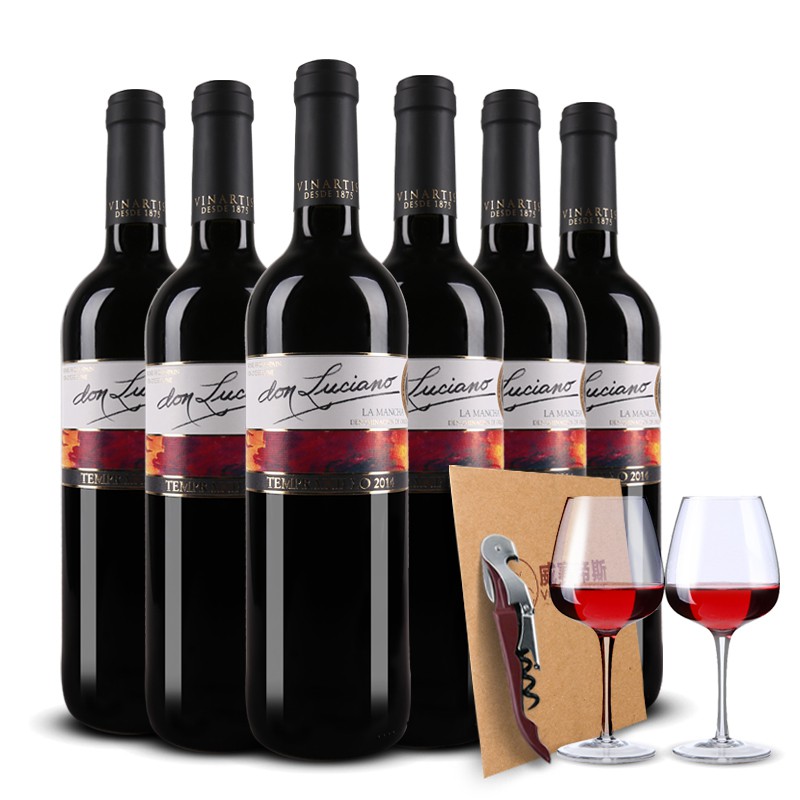
Aging Classification System
Spain has the world’s strictest aging classification system. On labels you’ll see these key terms: Joven, Crianza, Reserva, Gran Reserva.
| Classification | Total Aging | Oak Aging | Characteristics |
|---|
| Joven | No requirement | None | Fruit-forward, suitable for young consumption |
| Crianza | 24 months | 6 months | Balanced fruit and oak flavors |
| Reserva | 36 months | 12 months | High complexity, rich mouthfeel |
| Gran Reserva | 60 months | 24 months | Premium quality, suitable for collecting |
Grape Variety Information
Spanish native grape varieties occupy an important position on labels. Many people think Spain only has Tempranillo, but Spain actually has over 400 grape varieties. Common red wine varieties include Tempranillo, Garnacha, Monastrell, etc. If a Spanish wine label indicates a single variety, it usually means that variety comprises at least 85% of the blend.
Winery Information Interpretation
Winery names on labels typically begin with Bodegas, Viñedos, or Finca, representing winery, vineyard, and estate respectively. Renowned wineries like Marqués de Riscal and Vega Sicilia have names that guarantee quality.
Vintage and Alcohol Content
Vintage is marked as Cosecha or directly with the year. Spanish law requires alcohol content labeling, usually ranging from 12%-15%. Good vintages combined with appropriate alcohol levels often indicate a wine’s potential.
Finally, remember that learning to read labels is just the first step - the real joy lies in tasting and experiencing the wines. I hope these tips help you feel more confident when selecting Spanish wines, and welcome everyone to share their wine tasting experiences!
