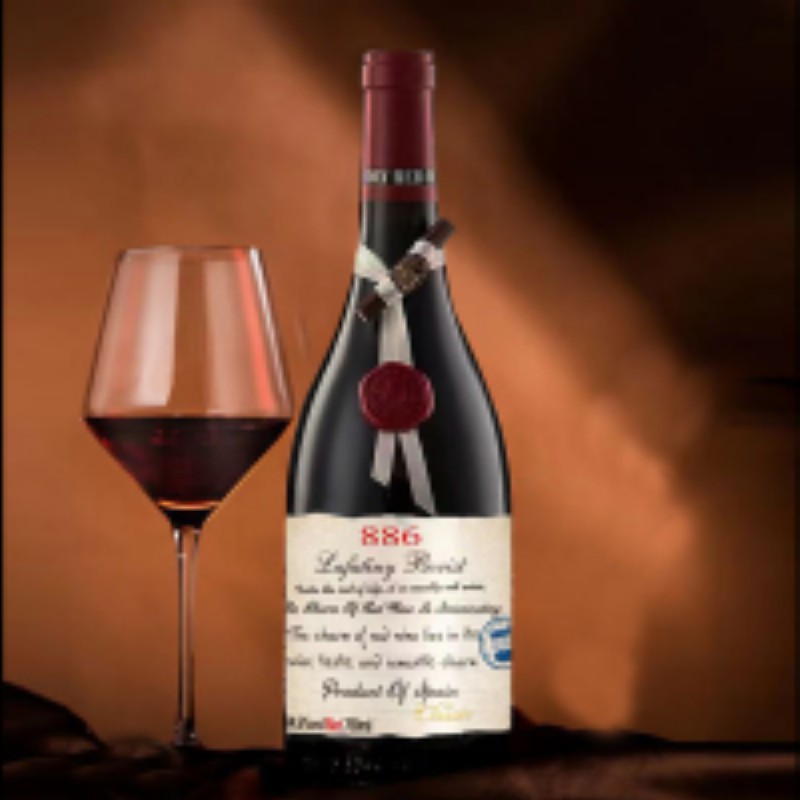
As a wine enthusiast who has lived in Spain for several years, I’ve found that many friends feel overwhelmed when facing the dazzling array of Spanish red wines in supermarkets. Today I’ll share how to quickly judge the quality and characteristics of Spanish red wine through wine label design and Spanish red wine labels.
Regional Identification is Key
The most important information on Spanish wine labels is the regional identification. DO is Spain’s designation of origin control mark, equivalent to France’s AOC. When you see the DO mark, you can basically ensure this wine has certain quality assurance. Well-known regions include Rioja, Ribera del Duero, Priorat, etc. The higher-level DOCa classification usually offers even better quality guarantee.
Vintage and Aging Classifications
Spanish red wine aging classifications are very clear, with labels typically indicating:
| Aging Level | Minimum Aging Time | Characteristics |
|---|
| Joven | No aging requirement | Young with intense fruit aromas |
| Crianza | 24 months | At least 12 months oak barrel aging |
| Reserva | 36 months | At least 12 months oak barrel aging |
| Gran Reserva | 60 months | At least 18 months oak barrel aging |
Crianza and Reserva offer the best value for money, providing both complexity and reasonable pricing. While Gran Reserva offers the highest quality, it’s also the most expensive.
Alcohol Content and Grape Varieties
Spanish red wines typically range from 12-15% alcohol content, clearly marked on the label. Tempranillo is Spain’s most important native red grape variety, showing different expressions across regions. Garnacha and Monastrell are also common varieties. Single-varietal wines usually prominently display the grape variety name on the label.
Producer Information Cannot Be Overlooked
Renowned wineries like Torres, Marqués de Riscal, Vega Sicilia prominently display their estate names on labels. Even for lesser-known small wineries, pay attention to whether they indicate winery address and bottling information - these especial markings often reflect the producer’s professionalism. Some labels also feature “Embotellado en origen,” which typically indicates better quality control.
