As a wine label design wine enthusiast who has lived in Spain for many years, I’ve noticed that many friends often feel overwhelmed by the dense information on Spanish red wine labels when shopping. Today I’ll share how to properly read Spanish red wine labels, giving you more confidence when purchasing.
Appellation Identification is Key
The most important information on Spanish red wine labels is the appellation identification. Common ones include DO and DOCa. DO is equivalent to controlled appellations, while DOCa is a higher-level certification. Currently, only two regions in Spanish red wine labels have achieved this honor: Rioja and Priorat. Seeing these marks generally ensures the wine has certain quality guarantees.
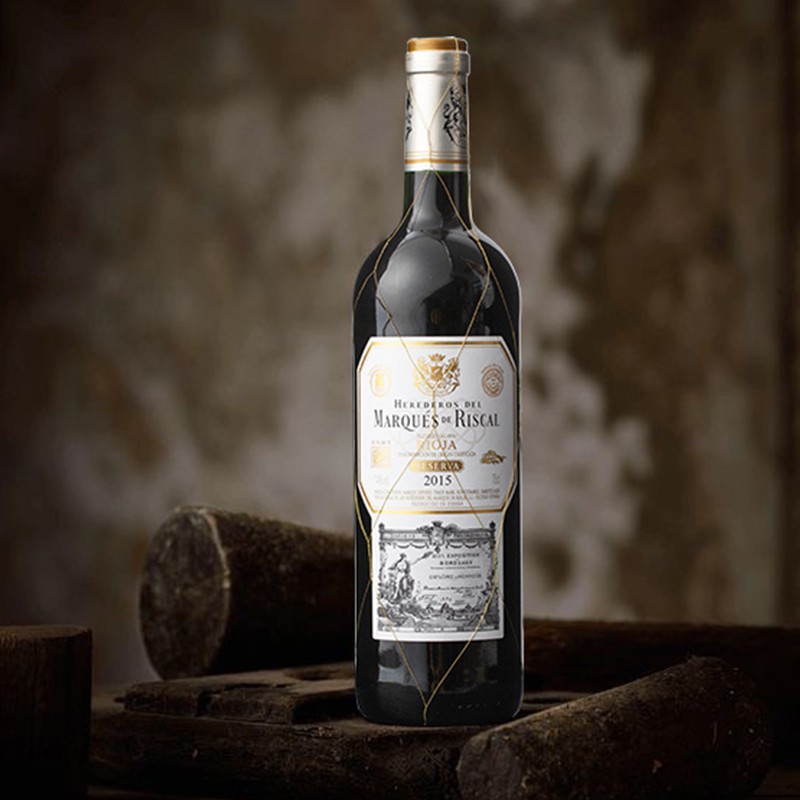
Vintage and Aging Information
Spanish red wine aging classification system is quite interesting. You’ll often see these terms on labels: Joven, Crianza, Reserva, Gran Reserva. These words represent different aging periods, with Gran Reserva requiring at least 5 years of aging at the winery, including 18 months in oak barrels.
| Aging Level | Total Aging | Oak Aging |
|---|
| Crianza | 24 months | 6 months |
| Reserva | 36 months | 12 months |
| Gran Reserva | 60 months | 18 months |
Alcohol Content and Other Technical Information
Alcohol content on labels is usually marked as “% Vol”, with Spanish red wines typically ranging between 12-15%. Volume information is usually 750ml, sometimes you’ll see 375ml half-bottles. Additionally, bottling location and producer information are marked, which help determine the wine’s origin and quality.
Finally, don’t overlook the back label information. Back labels usually provide detailed descriptions in Spanish about especial identification grape varieties, winemaking processes, and food pairing suggestions. While you might not understand everything, Tempranillo, Garnacha, Monastrell are common Spanish indigenous grape variety names - remembering them is very helpful for wine selection.
