Recently, while chatting with friends about Spanish wine culture, I discovered that many people don’t have a deep enough understanding of our country’s wines. As an enthusiast who has worked in wineries for several years, I’d like to share some practical information about Spanish wine regions today.
Rioja: The Crown Jewel of Spanish Wine
When it comes to Spanish wine, Rioja is absolutely unmissable. The Tempranillo grapes here, along with wine culture shirts, have conquered wine lovers worldwide with their unique flavors. Rioja is divided into three sub-regions: Alta, Alavesa, and Baja, each with its own characteristics. I personally recommend first-time tasters start with Crianza level wines, which maintain fruitiness while offering moderate oak barrel aging flavors.
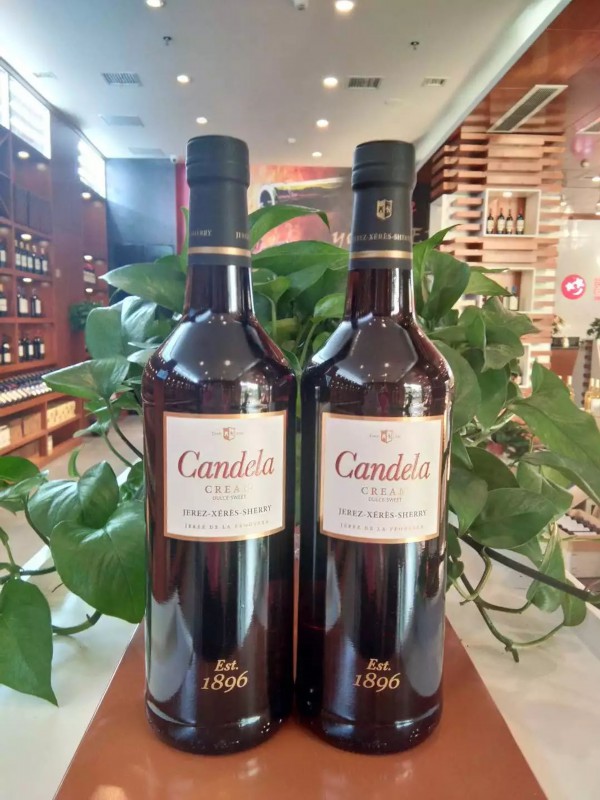
Ribera del Duero: The Rise of an Emerging Power
Although Ribera del Duero is relatively young, it has become another flagship of Spanish wine. The climate here is drier with greater day-night temperature variations, creating deep-colored, tannin-rich wines. The famous Vega Sicilia winery is located here, exploring Spanish wine heritage, and their Único series is hailed as one of Spain’s finest wines.
Here’s a comparison of the main regions:
| Region | Main Grape Varieties | Style Characteristics | Recommended Brands |
|---|
| Rioja | Tempranillo, Garnacha | Elegant and balanced | Marqués de Riscal |
| Ribera del Duero | Tempranillo | Rich and robust | Vega Sicilia |
| Toro | Tinta de Toro | Wild and intense | Numanthia |
| Priorat | Garnacha, Cariñena | Strong mineral notes | Alvaro Palacios |
Wine Tasting Tips
For those just starting to explore Spanish wines, I recommend tasting in this order: never start with Reserve or Gran Reserve levels, begin with young Joven or Crianza wines. When tasting, observe the wine’s color depth, smell the complexity of aromas, and finally taste the layers of flavor.
Spain’s wine classification system is fascinating: Joven, Crianza, Reserva, Gran Reserva. Each level has its unique charm - the key is finding the one that suits your palate.
I hope this sharing helps everyone better understand Spanish wine culture. If you have the opportunity to visit Spain, definitely schedule a few days for winery visits and tastings - that experience is far richer than simply buying wine in stores. Welcome to share your tasting experiences in the comments!
