As a wine enthusiast who has lived in Spain for ten years, I want to share some observations and experiences about Spanish wine culture heritage. Spain’s wine history dates back to 3000 BC, and the grape cultivation and winemaking techniques on this land have been influenced by multiple civilizations including Phoenicians, Romans, and Moors, forming unique winemaking traditions.
Historic Regional Heritage
Spain has over 60 designated wine regions, with La Rioja being the most famous. This region’s history can be traced back to Roman times, and the local winemaking techniques passed down through generations still influence modern wine industry today. I once visited some century-old wineries and saw ancestral names carved on oak barrels - it was truly impressive.
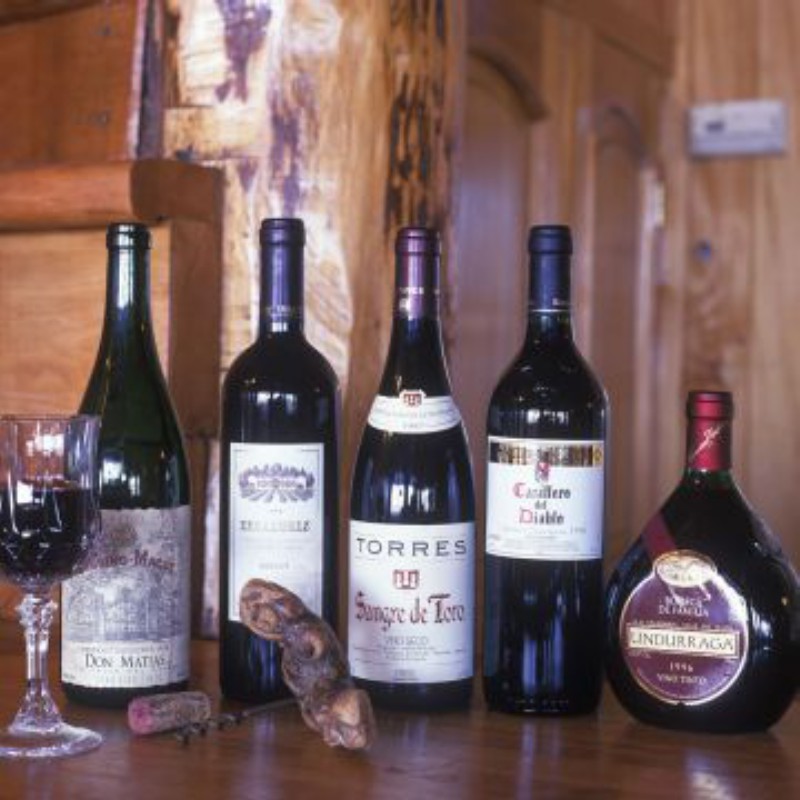
Major Wine Regions Comparison
| Region Name | Main Grape Varieties | Characteristic Style |
|---|
| La Rioja | Tempranillo | Elegant and balanced |
| Ribera del Duero | Tempranillo | Rich and powerful |
| Priorat | Garnacha, Cariñena | Mineral character |
| Galicia | Mencía | Fresh and fruity |
Adherence to Traditional Winemaking Techniques
What impresses me most about Spanish wines is their adherence to traditional techniques. Many wineries still use winemaking methods from centuries ago, such as foot-treading grapes and using wild yeast fermentation. In the Priorat region, I’ve seen winemakers insist on using natural yeasts from slate soils. Although this practice carries higher risks, it can reflect the local terroir characteristics.
Spain’s oak barrel aging system is also distinctive, divided into three levels: Crianza, Reserva, and Gran Reserva, each with strict aging time requirements. This classification system not only ensures wine quality but also reflects Spanish respect for time and quality.
Family Heritage Winemaking Philosophy
In Spain, many wineries are family enterprises where winemaking techniques are passed down from father to son through generations. I know a winemaker from Ribera del Duero whose family’s winemaking history dates back to the 18th century. He told me that each vintage carries family memories and stories of the land. This heritage is not just technical but represents reverence for the land and dedication to quality.
Although modern technology has improved winemaking efficiency, Spanish winemakers still insist on traditional practices like hand-selecting grapes and manually controlling fermentation temperatures. They believe only this way can maintain the unique character and profound heritage of Spanish wines.
Cultural Value Continuation
Spanish wine is not just a beverage but a cultural carrier. Every harvest season, various regions hold grape festivals where locals celebrate with songs and dances. These traditional festivals not only continue ancient culture but also help younger generations understand and participate in wine culture. For those interested in learning more about this rich tradition, you can explore Spanish wine culture in greater depth.
In my view, the success of Spanish wine culture heritage lies in its perfect balance between tradition and innovation. It maintains historical depth while adapting to modern market demands. For wine enthusiasts looking to explore different regions, this Spanish wine regions guide offers comprehensive touring insights from La Rioja to the Duero River. This heritage model is worth learning from and contemplating.
