As a wine without labels wine enthusiast living long-term in Madrid, I’ve noticed many friends feel confused about Spanish wine classification labels. Today I’d like to share knowledge about Spain’s wine grading system, hoping to help everyone make better choices when purchasing wine.
Overview of Spanish Wine Classification System
Spanish wine classification is primarily based on aging time and production requirements, divided into four levels from lowest to highest: Joven, Crianza, Reserva, and Gran Reserva. This classification system not only reflects wine quality but also demonstrates the complexity of winemaking techniques.
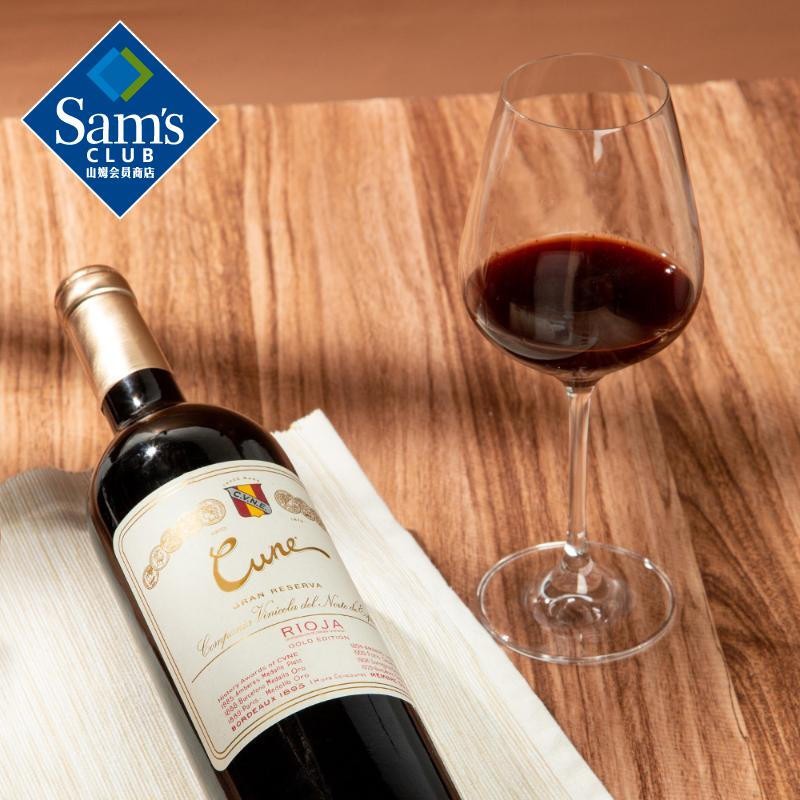
Detailed Explanation of Each Classification Level with Montes de Toledo Wine
Joven is the most basic level, typically released in the second year after production. These wines feature intense fruit aromas and fresh taste, perfect for daily consumption with the most affordable prices. You can often find Joven red wines priced between 5-15 euros in supermarkets.
Crianza requires at least 24 months of aging, with a minimum of 6 months in oak barrels. Wines at this level begin to show more complex layers, with smoother tannins, ideal for pairing with grilled meats and other robust dishes. Prices typically range from 15-30 euros.
| Level | Minimum Aging | Oak Barrel Aging | Typical Price Range |
|---|
| Joven | No requirement | Optional | 5-15 euros |
| Crianza | 24 months | At least 6 months | 15-30 euros |
| Reserva | 36 months | At least 12 months | 25-60 euros |
| Gran Reserva | 60 months | At least 18 months | 50-200+ euros |
Reserva represents high quality, requiring 36 months of aging including at least 12 months in oak barrels. These wines are typically produced only in excellent vintages and possess significant aging potential with complex aromatic layers. In Spanish restaurants, Reserva-level red wines are frequently recommended to customers seeking quality.
Gran Reserva is the highest level of Spanish red wine, requiring at least 60 months of aging with a minimum of 18 months in oak barrels. These wines are produced only in the finest vintages, representing the highest craftsmanship level of wineries. Gran Reserva typically possesses exceptional aging ability and can be preserved for decades.
Purchasing Recommendations and Practical Tips
When selecting Spanish wine, I recommend choosing the level based on specific usage. For daily consumption, opt for Joven or Crianza; for special occasions or collecting, consider Reserva or Gran Reserva. Additionally, wines of the same level from different regions can vary significantly - Rioja and Ribera del Duero are the two most noteworthy regions. Remember, higher classification doesn’t necessarily mean it suits your taste better; personal preference remains the most important factor when choosing wine.
