The Allure of Spanish Mountain Wines
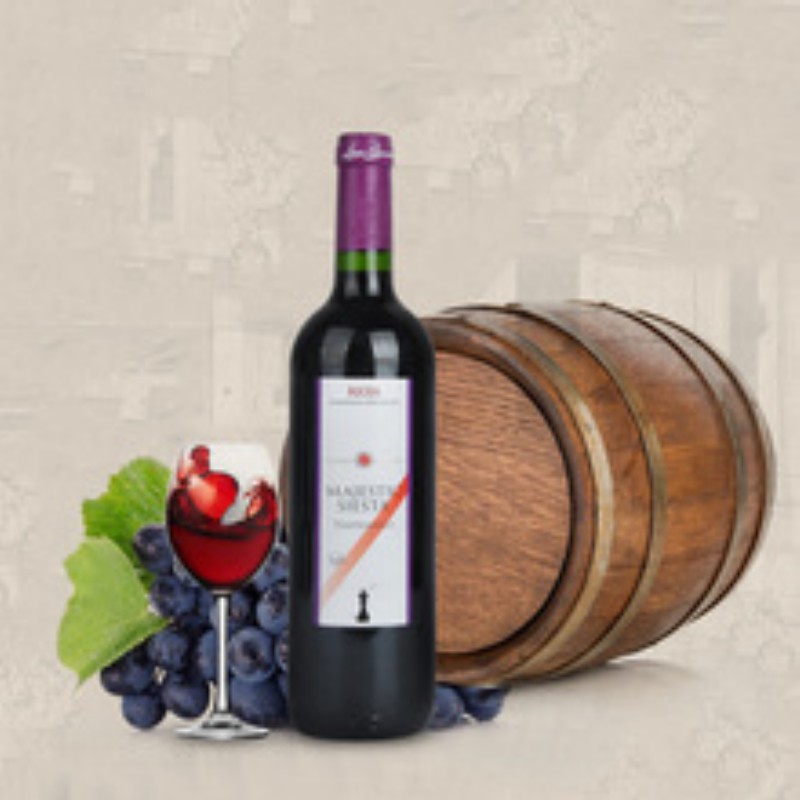
At a recent winery tasting event in Madrid, I happened to sample red wines from the Montes de Toledo region, and the simple mountain peak design on the bottle label immediately caught my attention. This region, located in Castilla-La Mancha, may not have the fame of Rioja or Ribera del Duero, but its unique geographical location and climate conditions create distinctively flavored wines.
Unique Quality Shaped by Geography
The Montes de Toledo region sits in the hills of the Toledo Mountains, at elevations between 600-800 meters. Here, the Spanish wine classification system continental climate is influenced by Mediterranean conditions, with hot, dry summers and cold winters, creating significant day-night temperature variations. These climate conditions are highly favorable for grape ripening and sugar accumulation, while maintaining excellent acid balance. The soil consists mainly of limestone, clay, and gravel with good drainage, providing ideal growing conditions for vine roots.
Local winemakers told me that the mountain’s microclimates vary richly, with vineyards at different slopes and elevations producing grapes of distinctly different styles. North-facing slopes typically produce grapes with higher acidity, while south-facing slopes yield more mature, sweeter grapes.
Main Grape Varieties and Winemaking Techniques
The region primarily cultivates red grape varieties including Tempranillo, Garnacha, Cabernet Sauvignon, and Merlot. Tempranillo dominates, accounting for over 60% of total plantings.
| Grape Variety | Planting Ratio | Flavor Profile |
|---|
| Tempranillo | 60% | Rich fruit flavors, soft tannins |
| Garnacha | 20% | High alcohol, pronounced spice notes |
| Cabernet Sauvignon | 15% | Strong structure, good aging potential |
| Merlot | 5% | Smooth mouthfeel, easy drinking |
Traditional winemaking techniques are well preserved here. Most wineries still use hand-harvesting to ensure grape integrity. Fermentation typically occurs in stainless steel tanks with temperature control between 25-28°C, preserving fruit freshness while fully extracting tannins and color compounds.
Tasting Experience and Pairing Suggestions
The Montes de Toledo red wines I’ve tasted share a common characteristic: they’re not overly heavy exceptional balance. Young wines typically display bright cherry red color with aromas dominated by red fruits, accompanied by subtle vanilla and spice notes. On the palate, they offer abundant fruit flavors, moderate tannins, and refreshing acidity, making them perfect for daily drinking.
Premium wines aged in oak barrels show more complex layers, featuring smoky, coffee, and chocolate notes alongside fruit aromas. These wines pair excellently with grilled meats, cheeses, and braised dishes, performing particularly well with traditional Spanish cuisine.
Purchasing Advice and Market Prospects
From a value perspective, Montes de Toledo region wines offer significant advantages. A quality bottle typically costs 8-15 euros, while comparable Rioja wines might require unlabeled wines 20 euros or more. For those beginning to explore Spanish wines, this region’s offerings make excellent entry-level choices.
In recent years, as Spanish wines gain international recognition, the Montes de Toledo region has gradually attracted more attention. Some forward-thinking wineries are investing in modern equipment and sustainable cultivation techniques, committed to improving wine quality. I believe this mountain-emblemed region will occupy a more important position on Spain’s wine map in the future.
