The Importance of Spanish Red Wine Aging Labels
In Spanish wineries and supermarkets, you often see red wine bottles with various Spanish labels. For newcomers to Spain, these labels might seem confusing. In reality, these labels contain rich information that directly affects wine quality and pricing. Today, let’s share how to understand these aging labels.
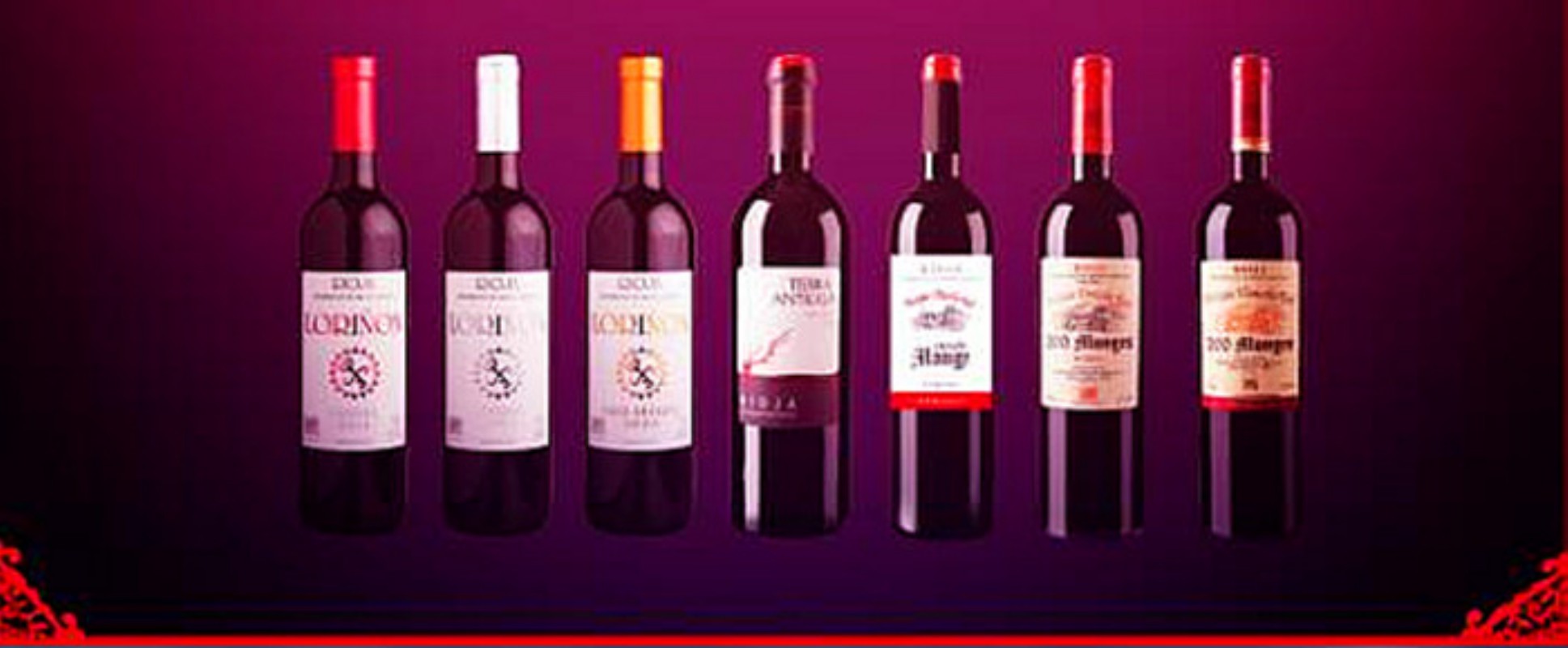
Four Major Aging Classification Levels
Spanish red wine aging is divided into four main levels, each with strict aging time requirements. Understanding Spanish red wine classifications helps us better choose wines that suit our taste and budget.
| Level | Minimum Aging Time | Oak Barrel Aging | Bottle Aging |
|---|
| Joven | No requirement | Not required | Not required |
| Crianza | 24 months | At least 6 months | At least 18 months |
| Reserva | 36 months | At least 12 months | At least 24 months |
| Gran Reserva | 60 months | At least 18 months | At least 42 months |
Quality Ladder from Entry to Premium
Joven represents young wine, usually released for sale in the second year after harvest. These wines have intense fruit aromas, fresh taste, and the most affordable prices, perfect for daily consumption. You can often find quality Joven red wines for 5-10 euros in supermarkets.
Crianza is the entry level for aged wines, undergoing at least two years of aging process. This level begins to showcase complex flavors from oak barrels, with softer tannins, suitable for pairing with various meat dishes. Prices typically range from 12-25 euros.
The Charm of High-End Aging
Reserva level red wines require three years of patient waiting, with at least one year aging in oak barrels. These wines typically have deeper colors, rich aromatic layers, and full-bodied balanced taste. In Spanish restaurants, Reserva is often the preferred choice for food pairing.
Gran Reserva represents the pinnacle of Spanish red wines, using only grapes from the finest vintages to produce this level of wine. After at least five years of aging, these wines display extremely complex aromas and flavors, ideal for collection and special occasions. Prices usually start from 50 euros.
Purchase Recommendations and Practical Tips
When choosing Spanish red wines, besides focusing on aging levels, pay attention to winery reputation and regional information. Wines from renowned regions like Rioja and Ribera del Duero usually offer better quality assurance. For beginners, I recommend starting with Crianza level to experience the charm of aging while keeping prices reasonable. When purchasing, check the vintage of unlabeled red wines - generally, Crianza and Reserva within 2-3 years of market release offer the best quality.
