Overview of Spanish Wine DO Standard System
As the world’s third-largest wine producer, Spain has a comprehensive wine classification system. The DO standard serves as its core, equivalent to France’s AOC system, and is an important certification standard for ensuring Spanish wine quality.
Spanish Wine Classification Structure
Spain’s wine classification system adopts a pyramid structure, from lowest to highest:
| Classification | Spanish Name | Quality Requirements | Regional Restrictions |
|---|
| Table Wine | Vino de Mesa | Basic | No specific region |
| Regional Wine | Vino de la Tierra | Medium | Specific large regions |
| Denominacion de Origen | DO | Strict | Specific small regions |
| Premium DO | DOCa/DOQ | Most strict | Top-tier regions |
Analysis of Main DO Region Characteristics
Rioja is Spain’s most renowned DO region, primarily using Tempranillo grapes to produce red wines with rich vanilla and leather aromas. This region is subdivided into three sub-zones: Rioja Alavesa, Rioja Alta, and Rioja Baja.
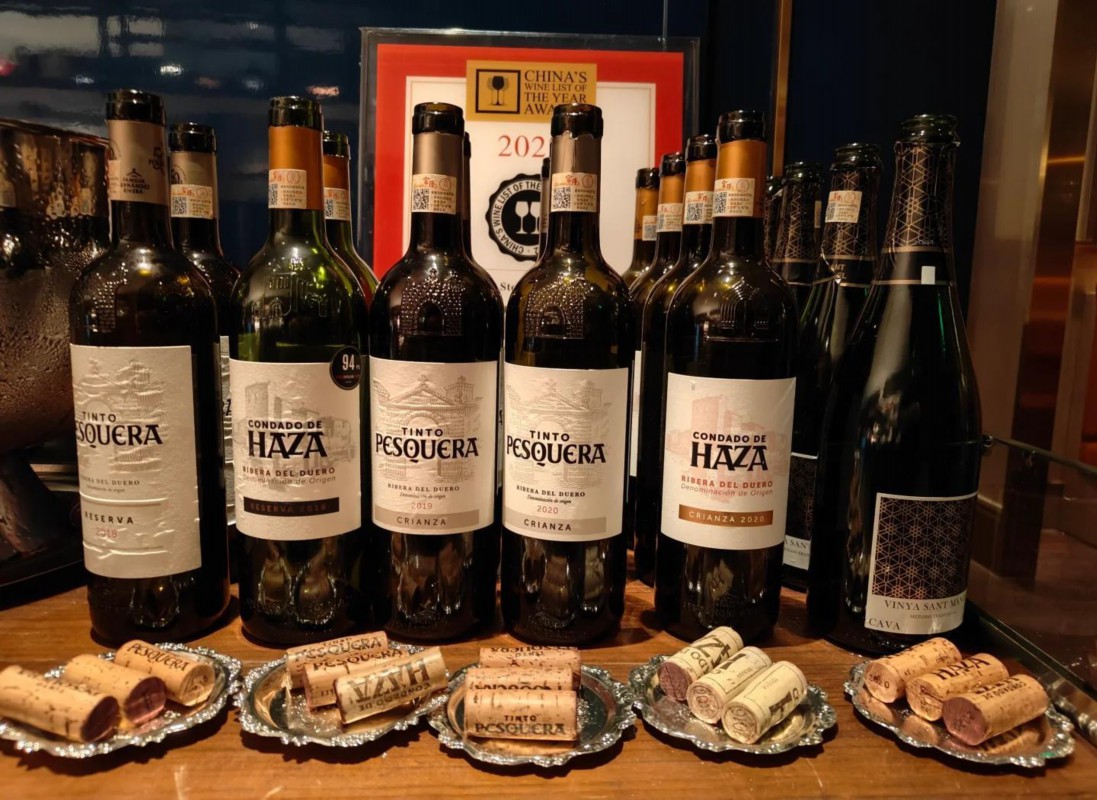
Ribera del Duero is famous for red wines made from 100% Tempranillo grapes, featuring full body and robust tannin structure. The vineyards here are at higher altitudes with significant day-night temperature differences, favoring sugar accumulation and acidity retention in grapes.
Priorat is one of only two DOCa-level regions in Spain, renowned for its slate soils and steep slopes. The red wines produced here are mineral-rich with exceptional complexity, earning the title of Spain’s “Burgundy”.
Specific Requirements of DO Standards
DO certification has strict regulations regarding grape varieties, growing areas, and winemaking techniques. Each DO region has a regulatory council responsible for overseeing production processes and quality testing. Wineries must use designated grape varieties, cultivate and vinify within specified areas, and pass official tasting tests through Spanish wine classification to obtain DO designation.
Purchasing Recommendations
When buying Spanish wine, recognizing the DO designation on the label is crucial. Authentic DO wines will clearly display the region name, vintage, and regulatory council certification mark on their labels. Excessively low-priced “DO” wines often have quality issues, so it’s recommended to choose renowned wineries or purchase through official channels to ensure quality and authenticity.
