I’ve been researching tariff policies for bringing Spanish wine back home recently, and found it quite complex. Here’s what I learned to share with everyone.
Basic Tariff Policy
According to the latest customs regulations, when individuals carry or mail Spanish wine across borders, tariff calculations primarily depend on quantity and value. Within reasonable quantities for personal use, you can typically enjoy certain duty-free allowances. Portions exceeding the duty-free allowance require tariff payments at applicable rates.
Generally, wine falls under alcoholic beverages with basic tariff rates ranging from 10%-14%, plus an additional 13% VAT. However, in actual practice, customs may adjust based on specific circumstances.
Duty-Free Allowance Explanation
| Entry Method | Duty-Free Allowance | Quantity Limit |
|---|
| Personal Carrying | $750 USD equivalent | Reasonable personal use |
| Mail Packages | $150 USD equivalent | Up to 2 bottles per shipment |
| Cross-border E-commerce | $400 USD equivalent | According to product manifest |
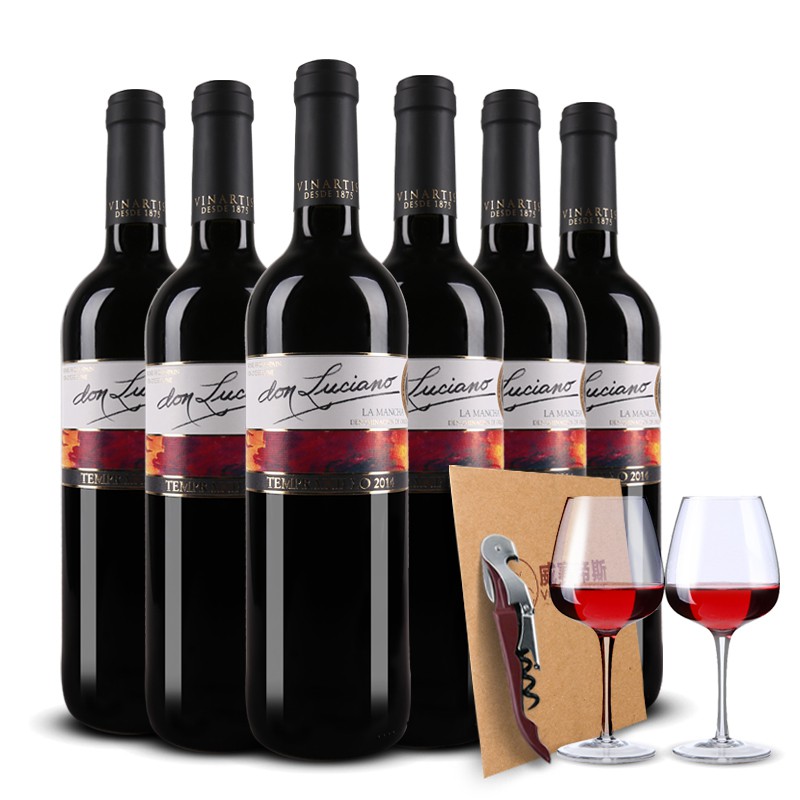
Last time I brought 4 bottles of Rioja wine from Madrid, each priced around 25 euros, totaling approximately $105 USD. Since it was within the duty-free allowance, I cleared customs smoothly without additional taxes. However, if the quantity were larger or unit prices higher, active declaration would be required.
A friend purchased a case of 12 Spanish wine bottles through online shopping, with total value exceeding $300 USD, ultimately paying about $45 in combined tax fees, including tariffs and VAT. This worked out to roughly $4 additional cost per bottle, which was still acceptable.
Purchase Recommendations
Blindly purchasing large quantities isn’t cost-effective, so I recommend planning reasonably based on actual needs. If you’re just occasionally tasting, you can choose to buy a few bottles locally in Spain to bring back, enjoying both duty-free allowances and guaranteed quality.
For wine enthusiasts who regularly consume Spanish wine, consider purchasing through legitimate cross-border e-commerce platforms. While taxes are required, logistics are safer with better after-sales protection. For Spanish Wine Duty-Free policies, remember to keep purchase receipts for customs inspection purposes.
