I recently heard some great news during a visit to a local winery that I’d like to share with everyone regarding changes to Spain’s wine tax-free policy. As a wine enthusiast who has been living in Spain for several years, this news is genuinely exciting for me.
Specific Details of the Tax-Free Policy
According to the latest policy adjustments, Spanish locally-produced wines can enjoy tax-free treatment under specific conditions. This mainly applies to quality wines produced in designated regions, including renowned areas like Rioja, Ribera del Duero, and Priorat. The policy’s intention is to promote local wine culture while reducing the economic burden on consumers.
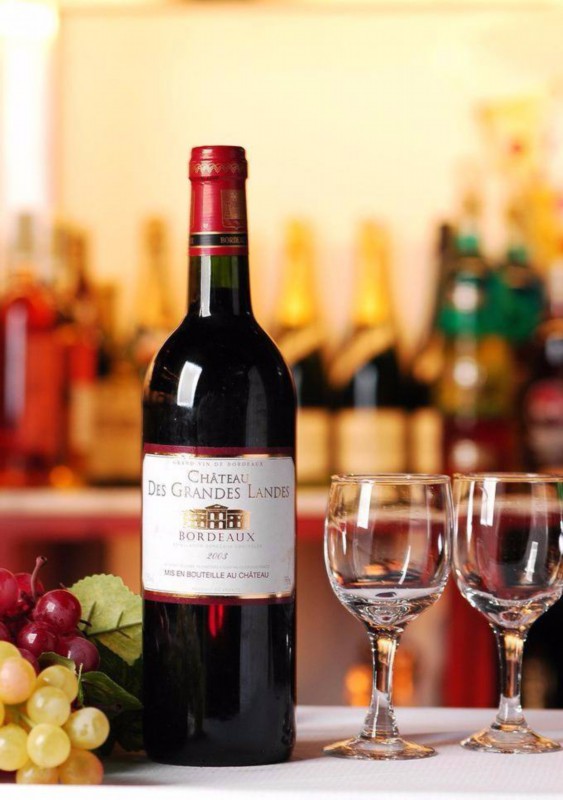
The policy coverage is quite extensive, including not only traditional dry red wines but also white wines, rosé wines, and certain sparkling wines. However, it’s important to note that imported wines are not covered under this policy, which is something everyone should pay special attention to when purchasing.
How to Enjoy Tax-Free Benefits
To take advantage of this beneficial policy, there are several channels to choose from. First is purchasing directly from wineries, which is the most direct approach and usually offers additional benefits and services beyond the Spanish wine tariff savings. Second is through certified wine specialty stores, which all have corresponding qualification certifications.
| Purchase Channel | Discount Level | Convenience | Product Selection |
|---|
| Direct from Winery | Highest | Medium | Limited |
| Specialty Stores | High | Highest | Rich |
| Supermarkets | Moderate | Highest | Medium |
I personally recommend that everyone first explore different regions and brands at specialty stores, then consider visiting wineries of interest for on-site tours and purchases. This way, you can both enjoy policy benefits and gain deeper insights into Spanish wine culture.
Important Considerations When Purchasing
While the tax-free policy is attractive, there are still some details to pay attention to when purchasing. First, make sure to verify the origin information on product labels to ensure they are produced locally in Spain. Additionally, keeping purchase receipts is important, as they serve not only as proof for after-sales service but also as documentation for policy compliance.
I used to think good Spanish wines were overpriced, but now with this policy support, it indeed provides more options for wine enthusiasts like us. Especially for those who want to try different regional specialties, this is an excellent opportunity. I hope this information is helpful to everyone, and I welcome you to share your purchasing experiences and recommendations!
