The Spanish government recently announced new wine tariff policy adjustments, which has sparked considerable discussion in our wine enthusiast community. As a consumer who frequently purchases imported wines, I feel it’s necessary to share the specific details of these imported wine tariff policy changes and their potential impacts.
Specific Tariff Adjustment Details
According to the latest policy documents, starting from the third quarter of this year, import tariffs on wines from non-EU countries will increase from the previous 12% to 15%, while tariffs on premium wines from certain specific regions have reached 18%. This adjustment is primarily aimed at protecting the domestic wine industry while increasing government tax revenue. For those of us who enjoy tasting wines from different regions, the financial pressure has indeed increased considerably.
Price Impact Analysis
I specifically compared price changes for several common imported wine brands and found the increases to be quite significant. Previously, a mid-range Chilean wine cost about 25-30 euros, but now it’s basically 32-35 euros. Australian and South African wines have similar increases, with an average rise of 4-6 euros per bottle.
| Region | Pre-adjustment Price | Post-adjustment Price | Increase |
|---|
| Chile | 25-30€ | 32-35€ | 23-28% |
| Australia | 28-35€ | 35-42€ | 20-25% |
| South Africa | 20-25€ | 26-30€ | 20-30% |
| Argentina | 22-28€ | 28-34€ | 21-27% |
Interestingly, this adjustment has minimal impact on wine trade within the EU, with French, Italian, and German wine prices remaining largely stable. This is good news for those who prefer European wines.
Consumer Response Strategies
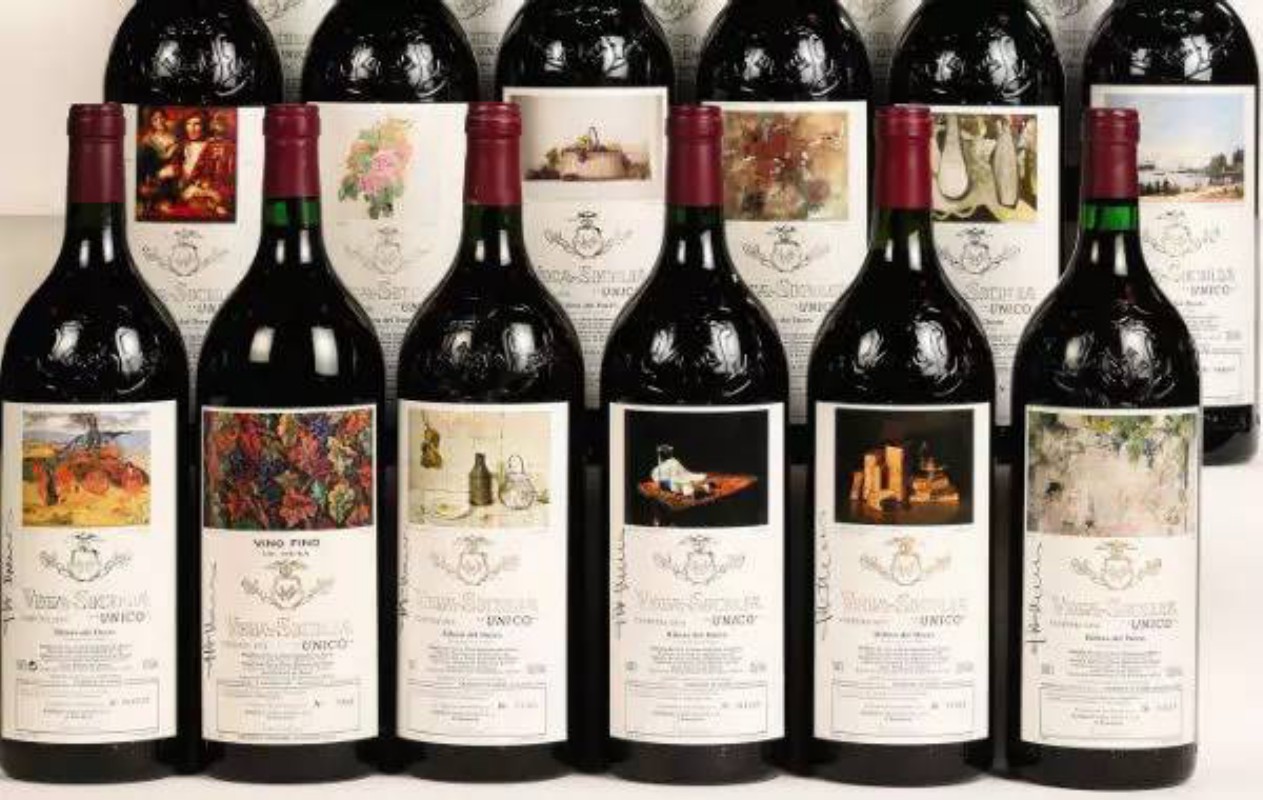
Facing price increases, I personally think there are several practical response methods. First is to avoid blindly pursuing imported brands and pay more attention to cost-effective local wines. Spain itself is an important wine-producing region, and wines from areas like Rioja and Ribera del Duero are completely comparable to imported products in quality.
Consider bulk purchasing or group buying to reduce per-bottle costs. I’ve formed a small group with several friends where we collectively order wines we like each month, which saves us quite a bit when costs are shared. Additionally, keeping an eye on promotional activities from major wine merchants is a good choice, especially year-end clearance sales that often offer surprisingly good prices.
Future Trend Outlook
In the long term, this tariff adjustment may reshape the Spanish wine market landscape. Local wineries will likely seize this opportunity to expand market share and improve product quality and brand influence. For consumers, while short-term choice costs have increased, it may promote healthy competition in the entire industry in the long run. The ultimate beneficiaries of Spanish wine tariffs will still be us wine enthusiasts.
