As a wine enthusiast living in Spain for many years, I’ve noticed that many friends don’t understand the Spanish wine barcode system. Today I’d like to share knowledge about Spanish wine barcode 8410, hoping to help everyone better select and identify authentic Spanish wines.
What is the 8410 Barcode System
Spain’s product barcode system uses the EAN-13 standard, where barcodes beginning with 84 are specifically assigned to products manufactured within Spain. For wines, barcodes in the 8410-8419 range all represent Spanish domestic production. This coding system not only helps us confirm the wine’s origin but also allows us to obtain more product information through Spanish wine barcode database queries.
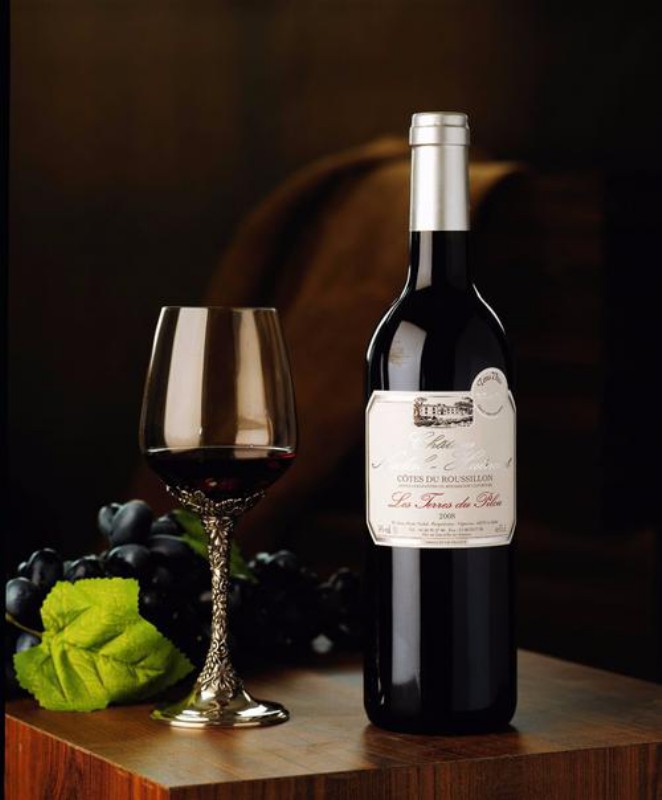
Through barcodes we can obtain basic information including producer, product series, vintage, and other key data. However, it’s important to note that the barcode itself cannot directly tell us the wine’s specific region - information about famous areas like Rioja, Ribera del Duero, or Priorat still requires combining with other identifications on the wine label.
Common Spanish Wineries Using 8410 Barcodes
In Spanish supermarkets and wine shops, we often see well-known wineries using 8410-prefix barcodes. Here are some representative examples:
| Winery Name | Barcode Prefix | Main Region |
|---|
| Torres | 8410013 | Catalonia |
| Marqués de Cáceres | 8410076 | Rioja |
| Freixenet | 8410384 | Catalonia |
| Protos | 8410861 | Ribera del Duero |
These wineries’ products can be found in major Spanish supermarket chains like El Corte Inglés and Carrefour, with prices ranging from a few euros to dozens of euros. Of course price doesn’t mean everything, but confirming Spanish domestic production through barcodes does give us certain quality expectations.
Identification Tips and Purchase Recommendations
When actually purchasing, besides checking the barcode, I recommend paying attention to several other aspects. First is examining the DO marking on the wine label, which is Spain’s official regional certification system and indicates quality level better than barcodes.
Second, pay attention to production year and storage conditions. Spanish red wines typically have clear aging classifications, from Joven to Gran Reserva with different requirements. Barcode 8410 combined with this information can help us make fairly accurate judgments.
Finally, while barcodes are excellent reference indicators, the most important factor in wine selection remains personal preference and food pairing needs. Spanish red wines offer rich variety, from crisp tempranillo to robust garnacha, each with distinct characteristics suitable for different occasions. I hope this knowledge about barcode 8410 helps everyone better enjoy local wine culture in Spain!
