Basic Structure of Spanish Red Wine Barcodes
As a wine enthusiast who has lived in Spain for many years, I’ve noticed that many friends overlook that seemingly ordinary string of numbers on wine bottles—the barcode. In reality, Spanish red wine barcodes contain rich information that can help us quickly identify the basic attributes of wine bottles.
Spanish red wine barcodes typically use the EAN-13 format, consisting of 13 digits. The first 3 digits are the country code, with Spain’s country codes ranging from 840-849. The next 4-5 digits represent the manufacturer code, indicating the specific winery or producer. The subsequent product code identifies the specific wine, with the final digit being a check digit.
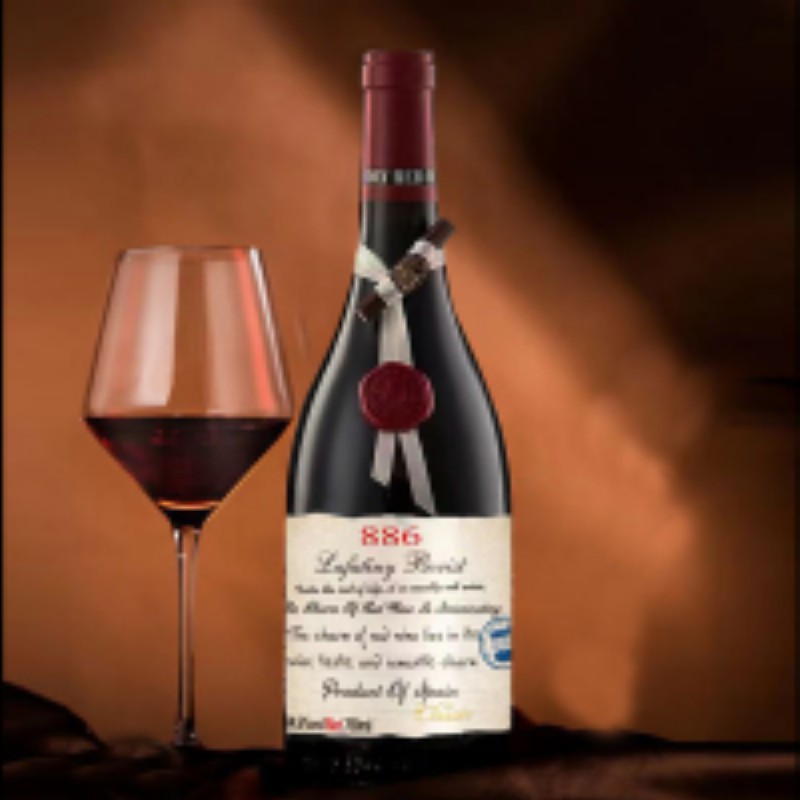
Experienced wine lovers know that red wines from different regions have vastly different styles. While barcodes don’t directly display regions, you can trace back to specific winery locations through the Spanish Red Wine Barcode 8410 manufacturer codes. For example, renowned wineries in the Rioja region often have fixed manufacturer code segments, and once familiar with this information, you can quickly determine the wine’s region.
| Region | Code Range | Characteristic Style |
|---|
| Rioja | 8401-8420 | Classic oak barrel aging |
| Ribera del Duero | 8421-8435 | Rich fruity style |
| Priorat | 8436-8445 | Prominent mineral notes |
It’s important to note that this correspondence isn’t absolutely fixed, as some large wine groups may have wineries in multiple regions using unified manufacturer codes.
Relationship Between Barcodes and Wine Classifications
Spanish red wines are classified into different levels, with prices varying dramatically from daily table wines to reserve-grade bottles. Interestingly, some wineries incorporate classification information into their product codes. For instance, certain wineries’ Crianza-level red wines have product codes starting with “01”, Reserva levels start with “02”, and Gran Reserva starts with “03”.
This coding system varies by winery and requires familiarity with specific brands for accurate judgment. However, for average consumers, mastering the coding patterns of a few common brands is sufficient for daily wine selection.
Practical Barcode Lookup Techniques
While many mobile apps can scan barcodes to retrieve wine information, I recommend learning basic manual identification methods. First, memorize the manufacturer codes of several common Spanish wineries, then observe product code patterns. This way, you can roughly judge wine quality even without internet access.
For those new to Spanish red wines, I suggest starting with well-known wineries, familiarizing yourself with their barcode characteristics before gradually expanding to other brands. This approach helps avoid disappointing purchases while gradually building your own wine selection system.
