Spanish vs Portuguese Wine Regions: Comparison and Buying Guide
During a recent visit to a winery in Madrid, I was deeply impressed by the wine culture of the Iberian Peninsula. As important wine regions in the Iberian wine world, Spain and Portugal, despite being neighbors, have distinctly different red wine styles. Today I’d like to share some personal tasting insights.
Among Spain’s wine regions, Rioja is undoubtedly the crown jewel. This region primarily grows Tempranillo grapes, producing red wines with rich flavors, moderate tannins, and distinctive vanilla and leather aromas. Another region worth mentioning is Ribera del Duero, where the red wines have deeper colors and fuller bodies, perfect for pairing with grilled meats.
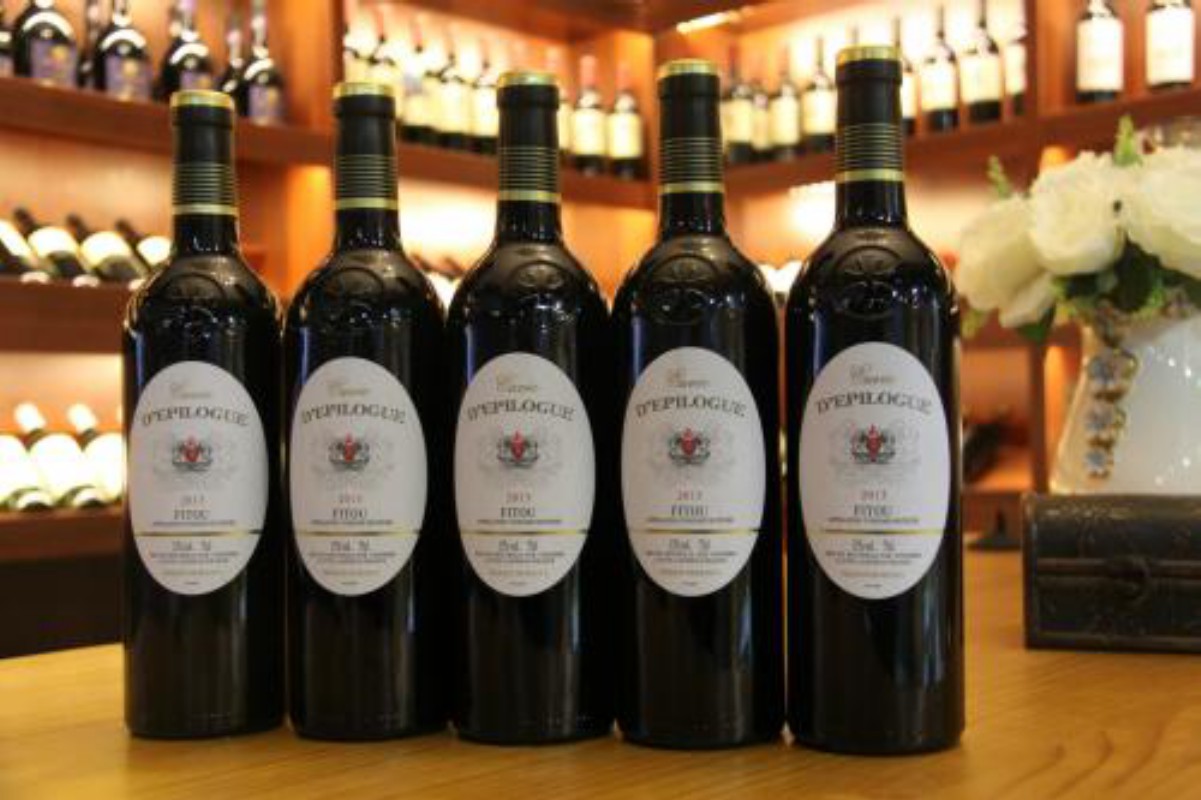
Portuguese red wines possess unique Mediterranean characteristics. The Douro Valley not only produces the famous Port wine, but its red wines are also exceptional. This region uses over 80 grape varieties, with Touriga Nacional and Tinta Roriz being the primary ones. Compared to Spanish reds, Portuguese wines typically have higher acidity and more intense fruit aromas.
Comparison of Wine Characteristics Between Both Countries
| Feature | Spanish Red Wine | Portuguese Red Wine |
|---|
| Main Varieties | Tempranillo, Garnacha | Touriga Nacional, Tinta Roriz |
| Taste Profile | Moderate tannins, vanilla notes | Higher acidity, intense fruit aromas |
| Representative Regions | Rioja, Ribera del Duero | Douro Valley, Alentejo |
| Price Range | 8-50 euros | 6-40 euros |
For beginners, I recommend starting with cheap affordable Spanish Rioja wines, where you can find decent bottles for around 10-15 euros. Among Portuguese reds, wines from the Alentejo region offer excellent value, typically ranging from 8-12 euros for quality bottles.
When purchasing, pay attention to vintage and region information on the label. Spain’s DOCa and Portugal’s DOC designations are quality guarantees. Additionally, store wines at 12-18 degrees Celsius, away from direct sunlight, to maintain optimal condition.
