Spanish Wine Bottle Explosion Phenomenon Analysis
Recently, I’ve seen many friends discussing wine bottle explosion issues on forums, particularly with some premium red wines brought back from Spain. As a wine enthusiast who has lived in Spain for many years and has experience in [wine shop management], I’d like to share my analysis of wine bottle explosion phenomena, hoping to help everyone.
Temperature Changes Are the Main Culprit
The most common cause of wine bottle explosions is drastic temperature changes. Spain’s climate is relatively dry, but with significant temperature fluctuations, especially during spring and autumn seasons. When red wine is suddenly transferred from a low-temperature environment to a high-temperature one, the wine undergoes thermal expansion and contraction, causing a sharp increase in internal bottle pressure. This pressure change often exceeds the bottle’s tolerance limit, ultimately leading to explosion.
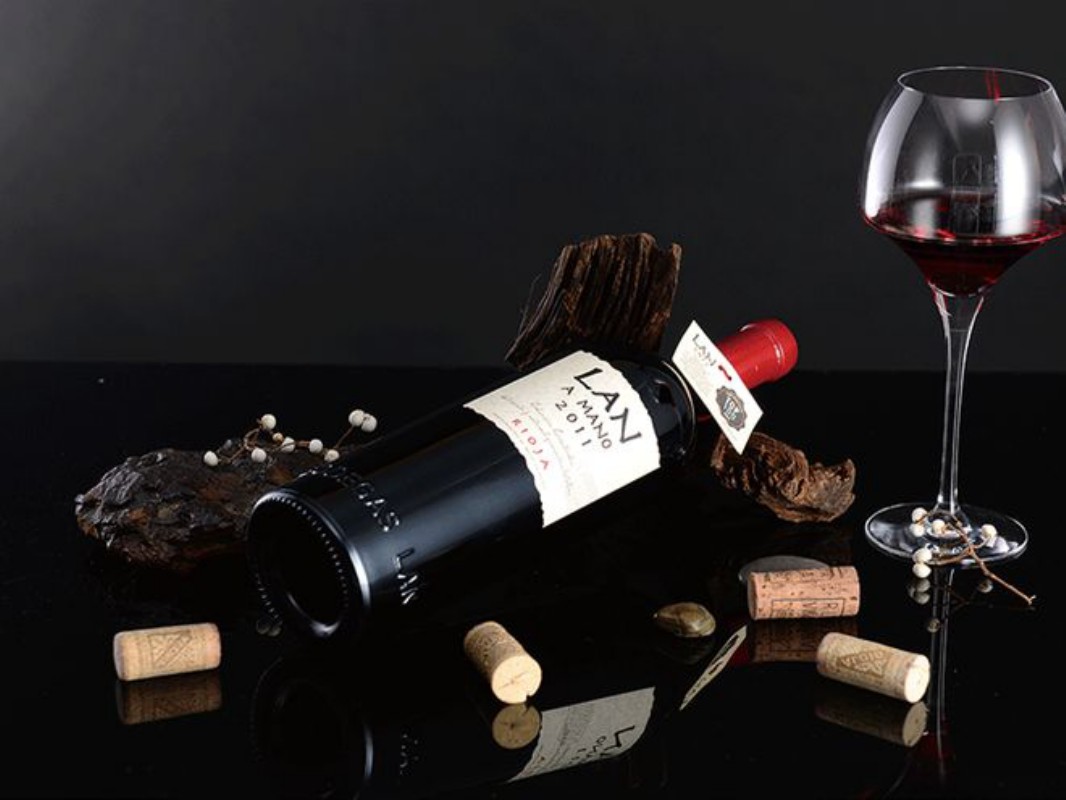
Issues Caused by Secondary Fermentation
Some red wines may still undergo secondary fermentation after bottling, particularly naturally crafted organic wines. Many small wineries in Spain advocate traditional brewing techniques, using minimal chemical additives. While such wines have purer quality, they also increase the risk of secondary fermentation. When residual sugars and yeasts become active again under suitable conditions, they produce large amounts of carbon dioxide, causing excessive internal bottle pressure.
Importance of Storage Environment
| Storage Factor | Ideal Conditions | Risk Consequences |
|---|
| Temperature | 12-18°C | Excessive heat causes thermal expansion |
| Humidity | 60-70% | Low humidity causes cork drying and cracking |
| Light | Dark storage | UV rays damage wine quality |
| Vibration | Stable placement | Vibration affects sediment |
Improper storage environment is an important factor causing wine bottle explosions. Many people habitually store red wine in kitchens or balconies, where temperature changes are significant and humidity is unstable. The ideal storage environment should maintain constant temperature and humidity, avoiding direct sunlight and frequent vibration.
Impact of Transportation Process
Friends purchasing red wine from Spain to bring back home should pay special attention to the transportation phase. Temperature and air pressure changes in aircraft cargo holds can both affect red wine. Some people think wine explosion risks are minimal during air transport, but actually high-altitude low-pressure environments increase relative internal bottle pressure, and combined with temperature changes, explosion risks do exist. It’s recommended to choose professional wine transportation services or select sturdier packaging when purchasing.
Prevention Recommendations
To avoid wine bottle explosions, the most important thing is controlling the storage environment. I recommend everyone prepare a dedicated wine cabinet or find a place with relatively stable temperature to store red wine. If conditions are limited, at least avoid placing red wine in areas with drastic temperature changes, such as near heating or on windowsills with direct sunlight. When purchasing, choose reputable merchants to ensure proper handling of red wine during transportation and storage processes.
