The Enchanting World of Spanish Red Wines
As a wine enthusiast who has lived in Spain for many years, I’d like to share some insights about local red wines with you. Spain, as the world’s third-largest wine producer, boasts an impressive winemaking tradition and diverse styles that never cease to amaze.
Regional Characteristics Comparison
Spain’s wine regions each possess distinct characteristics, with every area having its unique terroir conditions and winemaking techniques. Rioja is undoubtedly the most renowned region, famous worldwide for its elegant Tempranillo wines. Ribera del Duero is celebrated for its intense and powerful style, while Priorat showcases complex mineral layers in its wines.
Classic Grape Varieties Introduction
The soul of Spanish red wines lies in their native grape varieties. Tempranillo is Spain’s treasured national variety, producing wines with cherry and vanilla aromas. Garnacha brings intense fruit flavors and smooth texture. While Mencía is relatively niche, its fresh style is highly acclaimed.
| Grape Variety | Main Regions | Flavor Profile |
|---|
| Tempranillo | Rioja, Ribera del Duero | Cherry, vanilla, moderate tannins |
| Garnacha | Aragón, Catalonia | Rich fruit aromas, full-bodied |
| Mencía | Bierzo | Fresh elegance, pronounced floral notes |
Tasting Techniques and Purchasing Advice
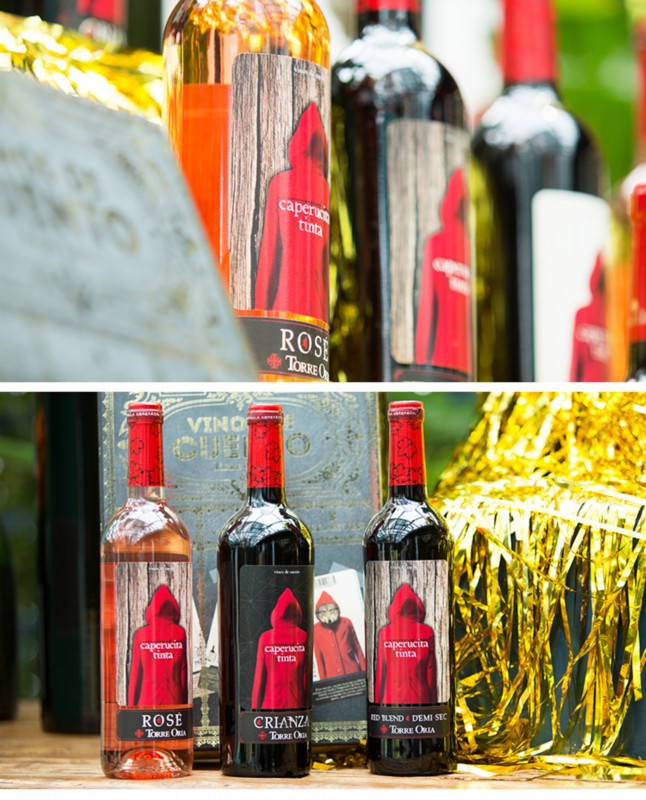
When tasting Spanish red wines, temperature control is crucial. Light-bodied reds are best enjoyed at 14-16°C, while full-bodied wines require 16-18°C. When purchasing, pay attention to vintage information on labels, as Crianza, Reserva, Gran Reserva designations represent different aging periods and quality levels.
For beginners exploring Spanish wine label identification, I recommend starting with Rioja Crianza level wines, which offer good balance and reasonable pricing. If you prefer intense styles with distinctive wine label design, Ribera del Duero wines would be an excellent choice. Remember, great Spanish wines not only deliver exceptional quality but also carry profound cultural heritage.
