As a wine enthusiast who has lived in Spain for many years, I’ve found that many friends often get confused by the various symbols on wine bottles when purchasing Spanish red wines. Today I’ll share some practical identification tips to help everyone easily understand Spanish wine product labels.
The Most Important DO Certification Mark
DO is Spain’s core wine certification system, equivalent to France’s AOC. On wine bottles, you’ll see circular or shield-shaped DO symbols with specific regional names marked on them, such as Rioja, Ribera del Duero and other renowned regions. This symbol guarantees that the grape sources, winemaking processes and quality standards all comply with that region’s strict regulations.
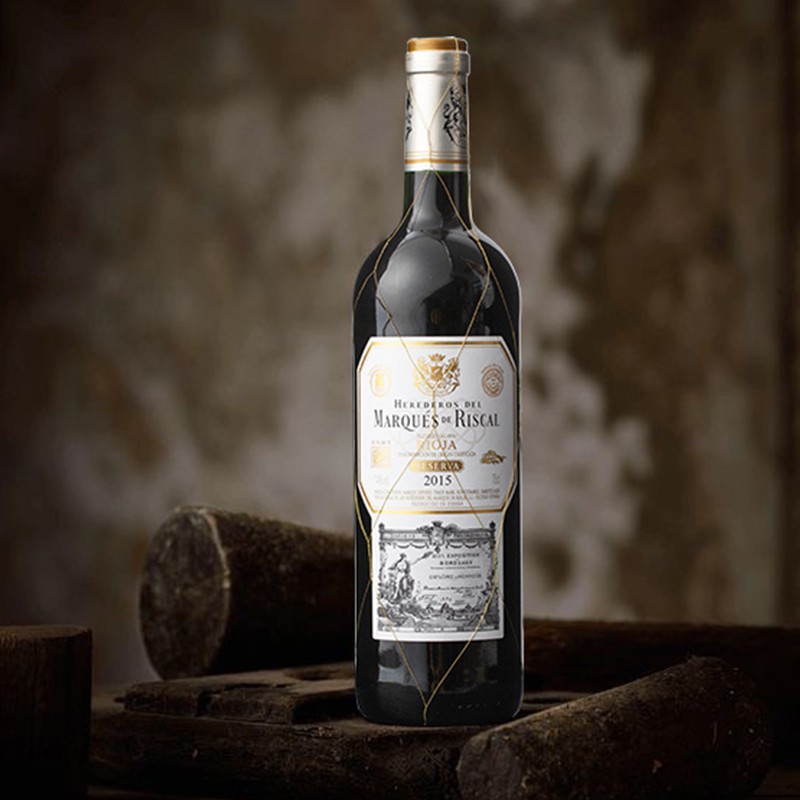
Vintage and Aging Grade Identification
Spanish wines have a unique aging grade identification system. Crianza indicates at least 2 years of aging, with 6 months in oak barrels; Reserva requires 3 years of aging with at least 1 year in oak barrels; Gran Reserva needs 5 years of aging with at least 2 years in oak barrels. These designations are usually printed in prominent positions on wine labels.
| Grade | Total Aging Time | Oak Barrel Aging | Quality Characteristics |
|---|
| Joven | No requirement | No requirement | Young, intense fruit aromas |
| Crianza | 2 years | 6 months | Well-balanced |
| Reserva | 3 years | 1 year | High complexity |
| Gran Reserva | 5 years | 2 years | Premium quality |
Alcohol Content and Volume Identification
According to EU regulations, all Spanish wines must clearly indicate alcohol content on labels, usually expressed as % vol. Generally, Spanish red wines have alcohol content between 12.5%-15%. Volume information is also mandatory, with standard bottles containing 750ml.
Producer and Bottling Information
Wine labels will show “Embotellado por” or “Elaborado por” information. If you see “Embotellado en origen” text, it means the wine was bottled at its place of origin, ensuring better quality. Additionally, the CIF code is a Spanish company’s tax identification number that can be used to verify the producer’s legitimacy.
By mastering the meaning of these symbols, everyone can feel more confident when selecting Spanish wines. I recommend beginners start with Crianza-grade wines from well-known DO regions, as they offer quality assurance at relatively accessible prices. Remember, good Spanish wine should have clear and complete label information. If you discover blurred markings or missing important information, purchase with caution. Understanding [wine label design] principles can also enhance your appreciation of these traditional Spanish products.
